
Nvidia leadership uncertainty deepens as board weighs Jensen Huang's removal
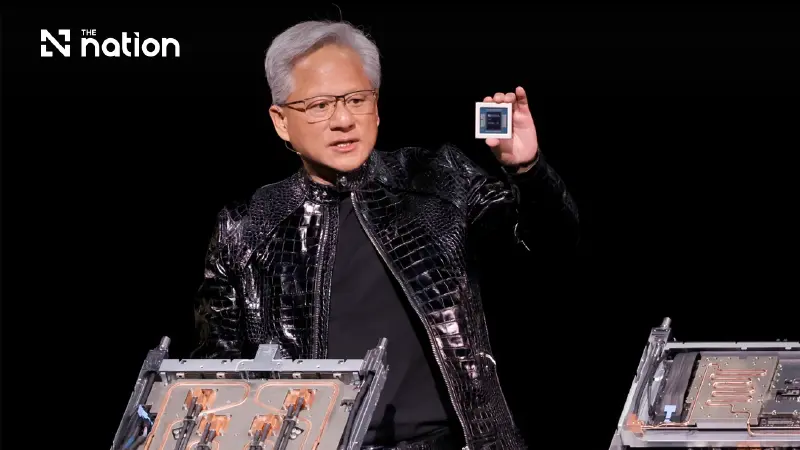


Reuters reports Nvidia's board is considering whether to remove CEO Jensen Huang following reports of two affairs, as its shares fall and an investigation continues.
Nvidia's board of directors met late on Wednesday (November 11) to consider removing co-founder and chief executive Jensen Huang, according to a source familiar with the matter cited by Reuters, as allegations surrounding his personal relationships intensify scrutiny of the artificial intelligence chipmaker.
The Wall Street Journal first reported that directors were preparing to dismiss Huang following reports of two extramarital affairs, including one involving a woman suspected of links to Chinese intelligence.
Reuters subsequently reported that the board was meeting to consider Huang's future. Nvidia did not immediately respond to its request for comment, and no final decision on his position had been announced.
The developments represent a significant change from the board's position on Sunday (November 8), when it publicly expressed confidence in Huang and his leadership team.
Investigation raises governance and security concerns
The controversy began with reports concerning Huang's relationship with Alice Huang, a businesswoman whom US intelligence officials suspect of involvement in activities linked to Chinese intelligence.
The allegations include concerns about the possible transfer of Nvidia chips to Chinese companies.
Nvidia announced an independent investigation into whether its chief executive had been targeted by a foreign intelligence operation. Independent directors, supported by external legal advisers, are overseeing the inquiry.
In a memorandum to employees on Sunday, Huang acknowledged being unfaithful to his wife and accepted responsibility for his actions, without providing details of the relationship.
The New York Times subsequently reported that Huang had also been involved in an extramarital relationship with Kimberly Powell, Nvidia's vice-president of healthcare, who reports to him.
The newspaper cited five people who had worked at the company.
Reuters was unable to independently verify that account. Nvidia and Powell did not immediately respond to requests for comment.
The allegations have prompted questions about corporate governance and the potential implications for a company central to the global AI industry and US-China technology competition.
Nvidia faces uncertainty over potential successor
Huang, 63, co-founded Nvidia in 1993 and has led its transformation from a graphics processor manufacturer into one of the world's most influential suppliers of AI computing technology.
His possible departure would create significant uncertainty at a company valued at approximately US$4 trillion.
Huang owns around 3.6% of Nvidia's shares and oversees a management structure in which dozens of senior executives report directly to him.
The company has no publicly identified successor.
Under Nvidia's corporate bylaws, directors can remove the chief executive through a majority vote, regardless of whether specific grounds for dismissal are established.
The board comprises 11 directors, with all members apart from Huang classified as independent.
Bloomberg also reported that directors had been working with an external firm to identify potential replacements.
Colette Kress, Nvidia's longstanding chief financial officer, has been identified by some investors as a possible interim leader, although no succession arrangement has been confirmed.

Nvidia shares fall as investors assess risks
Nvidia shares declined more than 8% in after-hours trading following reports that directors were preparing to remove Huang.
If those losses are sustained, the company's market value would have fallen by approximately US$600 billion since the board announced its investigation.
The developments have raised concerns among investors about the stability of Nvidia's leadership and the potential consequences for its long-term strategy.
Armina Rosenberg, portfolio manager and co-founder of Minotaur Capital, which holds Nvidia shares, described Huang's possible departure as a serious setback for the company.
Market observers nevertheless believe demand for Nvidia's AI processors is unlikely to weaken immediately, although uncertainty surrounding its leadership could affect companies and customers closely connected to Nvidia's investment activities.
The situation also comes shortly before Nvidia is scheduled to announce its quarterly financial results on November 17.
Political scrutiny adds pressure
The controversy has attracted attention in Washington because of Nvidia's importance to US technology policy and restrictions on advanced semiconductor exports to China.
Huang could face a congressional subpoena if he does not respond to a request for a private briefing concerning the allegations involving the Chinese businesswoman.
US President Donald Trump has expressed support for Huang, although he indicated that he had not discussed the allegations directly with the Nvidia chief executive.
The board's deliberations therefore come amid overlapping concerns about corporate leadership, national security and the company's role in the global AI industry.
For now, Huang's future remains unresolved, with investors and the technology sector awaiting the outcome of Nvidia's board discussions.
Source: Reuters
