
Thai military unveils donation-backed pilot fence on Cambodian border
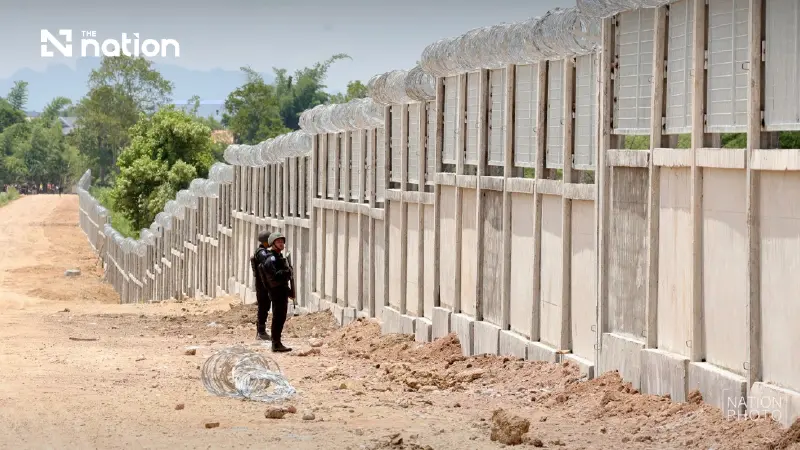


Thailand says no state budget was used for its pilot border fence in Chanthaburi, with any wider expansion to be assessed case by case to avoid future disputes.
Thailand’s military has publicly unveiled a donation-backed pilot security fence along the Cambodian border, saying no state budget was used and that any wider expansion will be considered case by case to avoid creating future territorial disputes.
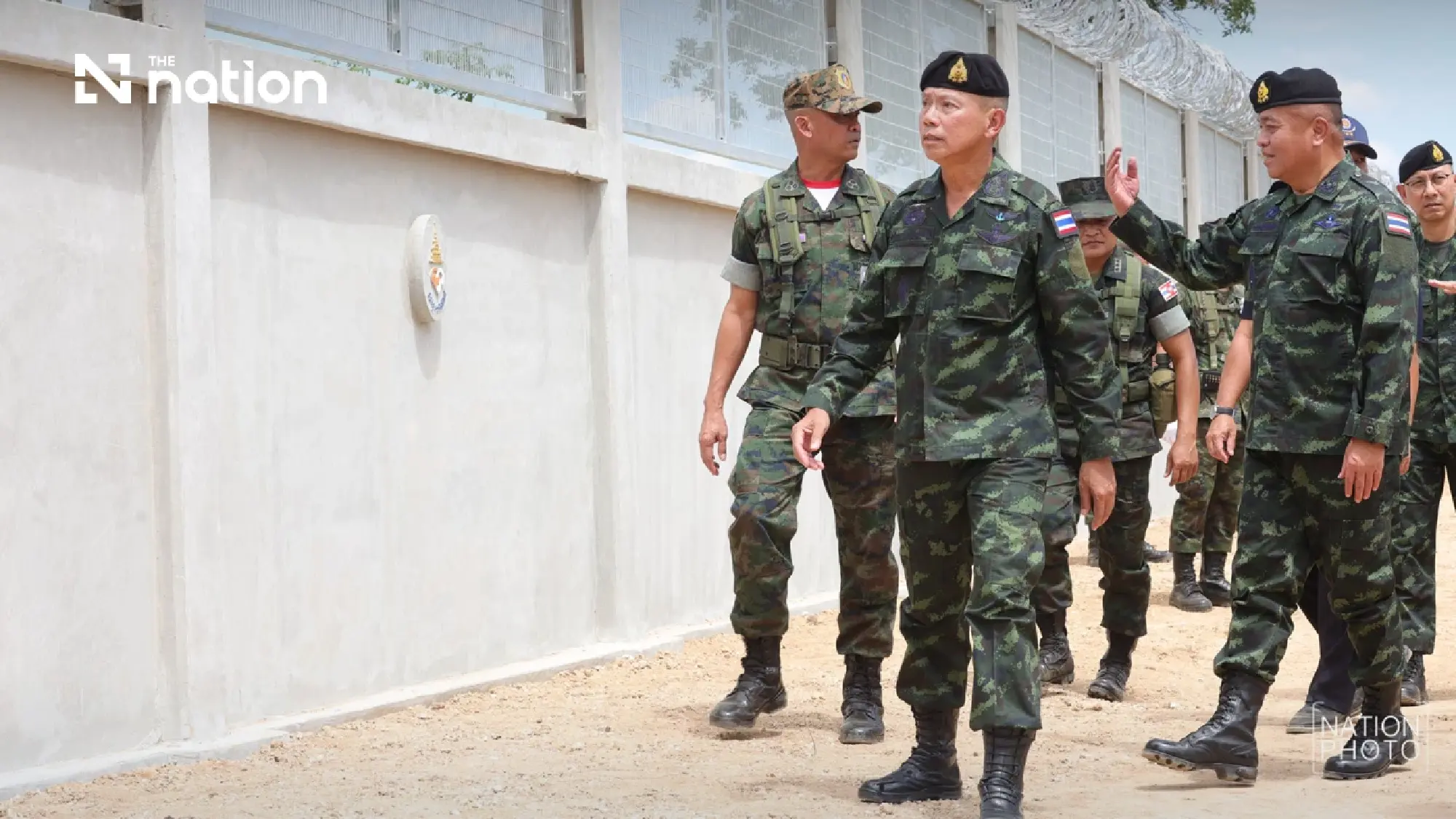
Chief of Defence Forces General Ukrit Boontanon inspected the project at Ban Laem in Thep Nimit subdistrict, Pong Nam Ron district, Chanthaburi, on Wednesday, July 22, and received a briefing on its construction progress.
The initial 1.3-kilometre section between Boundary Markers 52 and 54 is nearly 80% complete and is expected to be finished by the end of July. A planned second section would extend for another 7.07km from markers 54 to 59, bringing the project’s total length to 8.38km.
The reinforced-concrete fence, topped with concertina wire, is 3.35 metres high and has been designed for security operations in the border area.
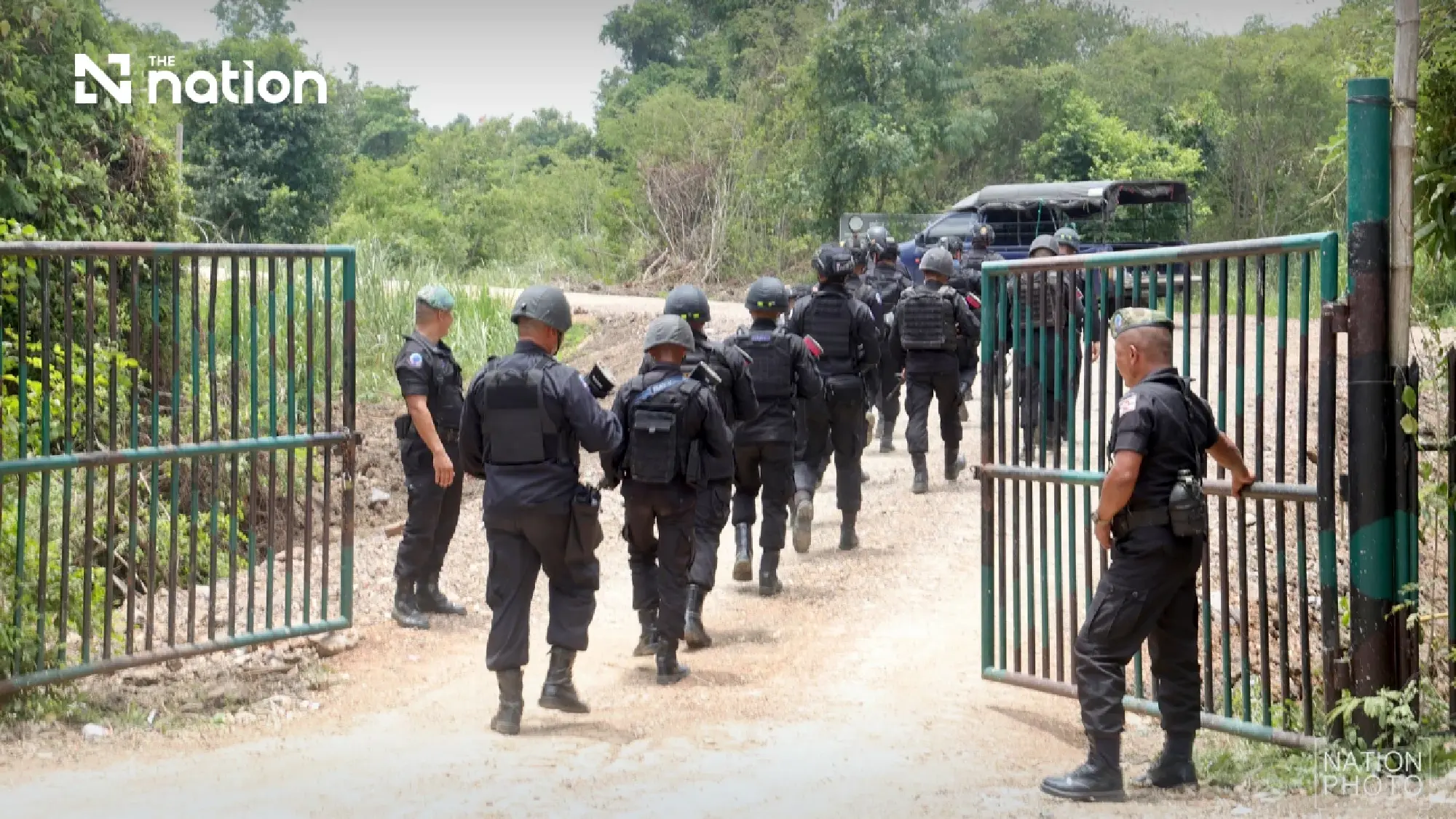

Military says no state budget was used
General Ukrit addressed questions surrounding the project’s financing, saying the pilot fence had not drawn on the national budget.
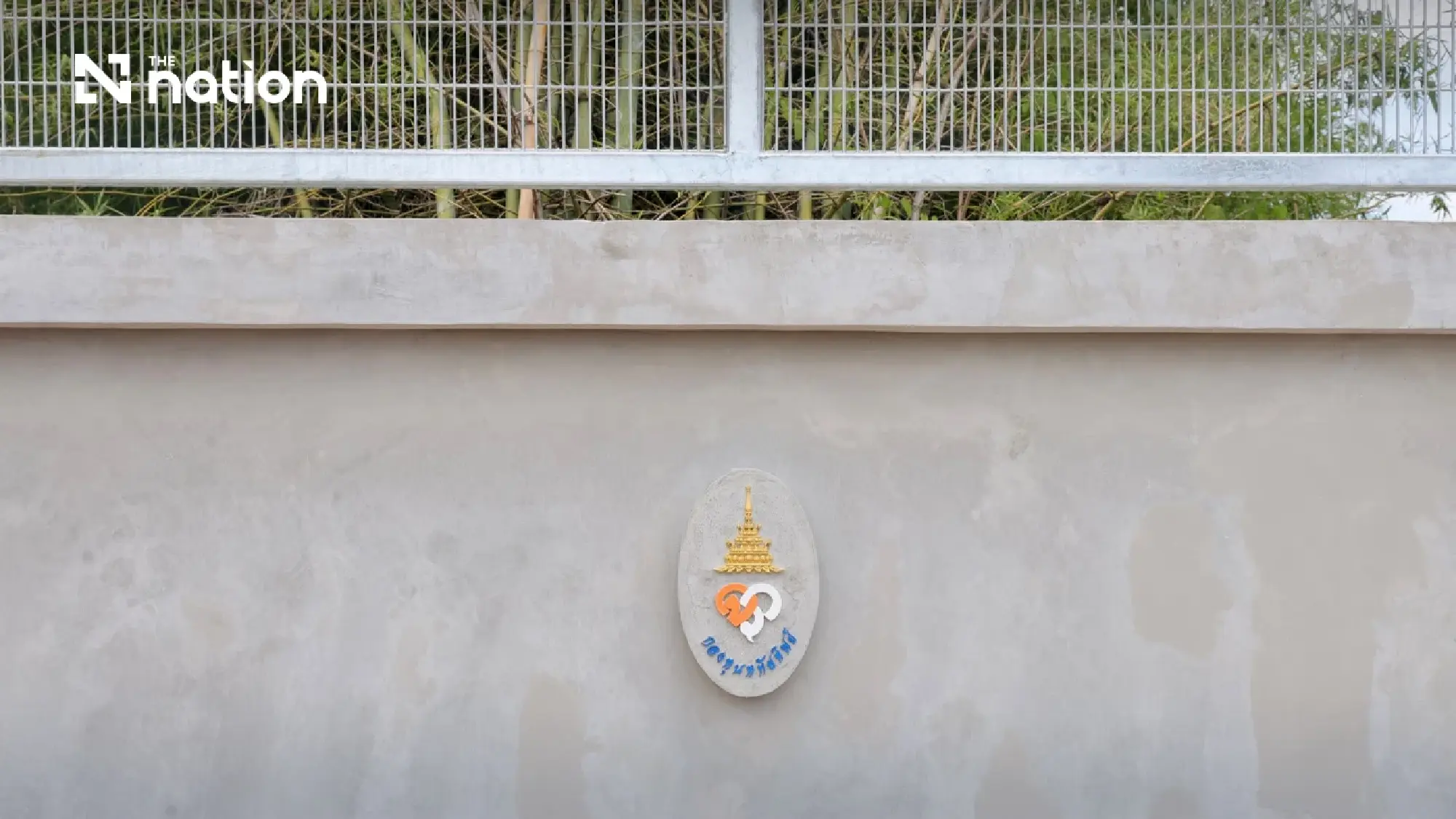
Its initial construction was supported by the Hataitip Fund, using money donated by members of the public under the royal initiative of Her Royal Highness Princess Chulabhorn Krom Phra Srisavangavadhana. The project was intended to provide a full-scale model that officials and local communities could assess before similar structures were considered elsewhere.
The fund has provided 69 million baht for the pilot project.
The Hataitip Fund has also supported the construction of protective bunkers for military personnel, shelters for people in high-risk border areas and the provision of safety equipment to schools and communities.
General Ukrit said the assistance reflected both the royal benevolence of Princess Chulabhorn and the generosity of members of the Thai public who contributed to the fund.
Project unveiled after safety assessments
General Ukrit said the military had previously provided limited information to the media because it wanted the project’s design, strength and safety to be properly established before making the details public.
The fence had undergone scientific and engineering tests, he said, describing Wednesday’s inspection and disclosure as a “soft opening” intended to build public confidence through clear and verifiable information.
A progress report is due to be presented to the chair of the Chulabhorn Foundation on August 10, with members of the public expected to be given an opportunity to follow the briefing.
The commander stressed that the structure was a prototype rather than a blueprint for a continuous wall along the entire Thai-Cambodian border.
He said the project would be refined using lessons from the Ban Laem site, which would serve as a national model or “laboratory” before the approach was considered for other locations.

Wider expansion to be decided site by site
General Ukrit said Thailand’s border terrain varied considerably, including watershed ridges, canals and straight sections of land, meaning the suitability of a permanent fence would have to be assessed separately in each area.
Construction should proceed only where it would provide clear security benefits and would not leave Thailand facing unnecessary costs, practical difficulties or territorial disputes in the future, he said.
Although a structure could theoretically be built and removed later if problems emerged, the commander said this should not replace careful planning before construction began.
The military was prepared to proceed in areas where a fence served Thailand’s interests, but unresolved border alignments would have to be taken into consideration. At the pilot site, the positions of the boundary markers have been agreed, although the exact alignment of some stretches between them remains under discussion.
Semi-permanent barriers, including concertina wire, are being used as an interim security measure in areas where the boundary has not been clearly agreed. The barriers are intended to protect military personnel and local communities while preserving flexibility for future negotiations and surveys.
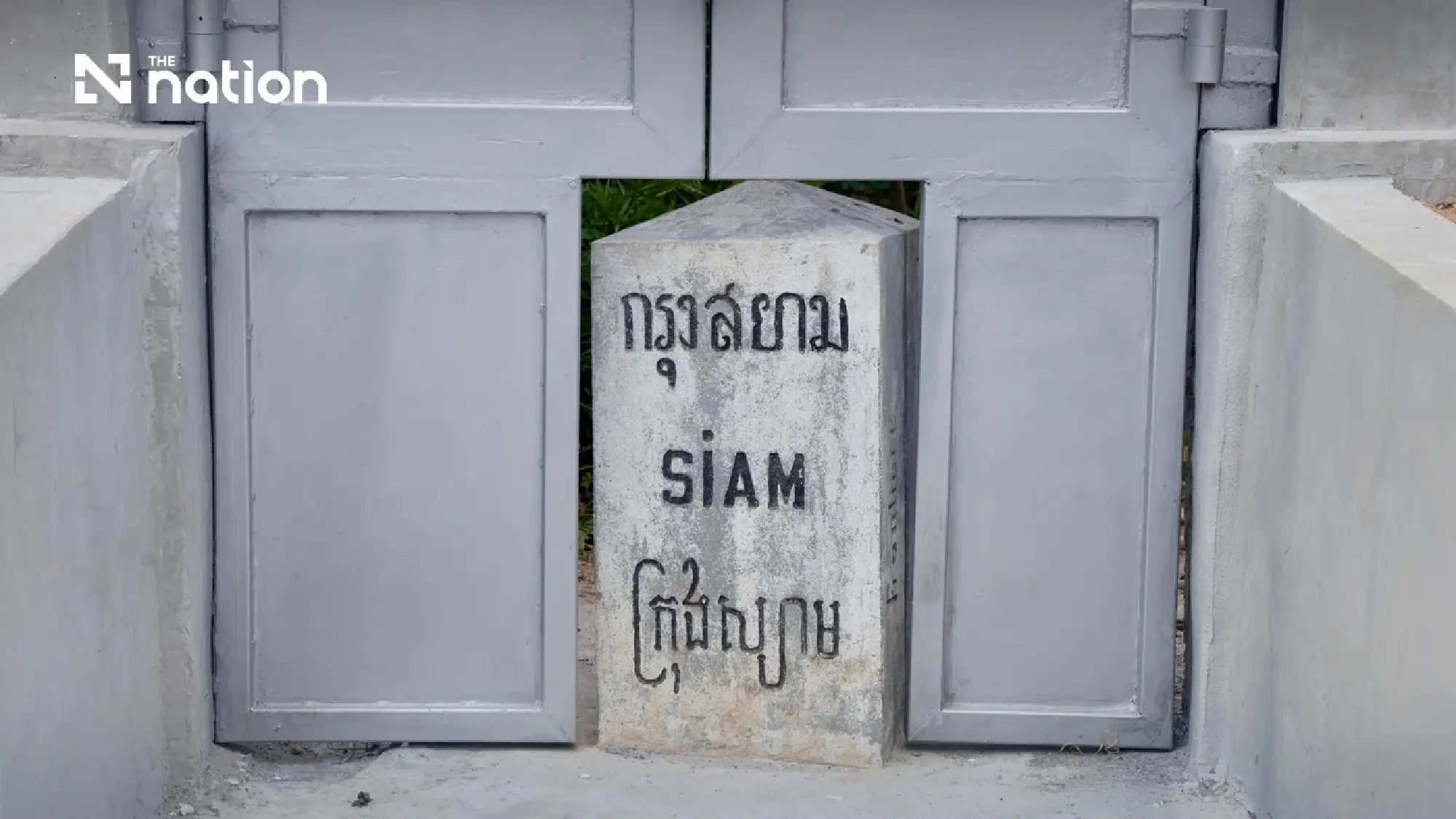

Gate protects access to Boundary Marker 52
General Ukrit said a hinged gate had been installed around Boundary Marker 52 because the marker was a legal reference point under international law.
The design was intended to demonstrate that Thailand had not interfered with the marker while also clearly preserving its rights in the area.
Officials had initially considered fully enclosing the site, but the Thai-Cambodian Joint Boundary Commission could need access to the marker for surveys in the future.
Building a gate would avoid the need to cut through, dismantle or demolish part of the fence when a future survey was conducted, he said.
Local impact to be considered
General Ukrit said decisions on border infrastructure had to consider the effects on local people, rather than focusing only on relations with the neighbouring country.
He praised the provincial Internal Security Operations Command, government agencies, district authorities and local administrative organisations for explaining the project to residents and helping it move forward.
Public access to the fence could be considered in the future, but the military would first have to assess security conditions because the location remained sensitive.
Addressing criticism and misunderstandings on social media, General Ukrit said he did not necessarily view them as deliberate distortions. People might have received incomplete or overly brief information, leading to different interpretations, he said.
The military should analyse public feedback and use it to improve its work rather than dismissing criticism, he added.

Commander calls for sincere bilateral cooperation
General Ukrit said the fence was intended to maintain public safety and order while protecting Thailand’s sovereignty.
He described the pilot as a learning tool that could contribute to future coexistence along the border, but said meaningful progress would require sincere cooperation from both Thailand and Cambodia.
Each side had the right to determine its own course, he said, but decisions should take account of local people and the long-term future of both countries rather than focusing only on short-term developments.
Asked about the government’s approach of slowing land-boundary discussions while prioritising maritime issues under the United Nations Convention on the Law of the Sea, General Ukrit said negotiations should take place on neutral ground and not under conditions determined unilaterally by the other side.
