
Thai Officials Urge Calm as Cambodian Film on 1979 Refugee Crisis Sparks Controversy
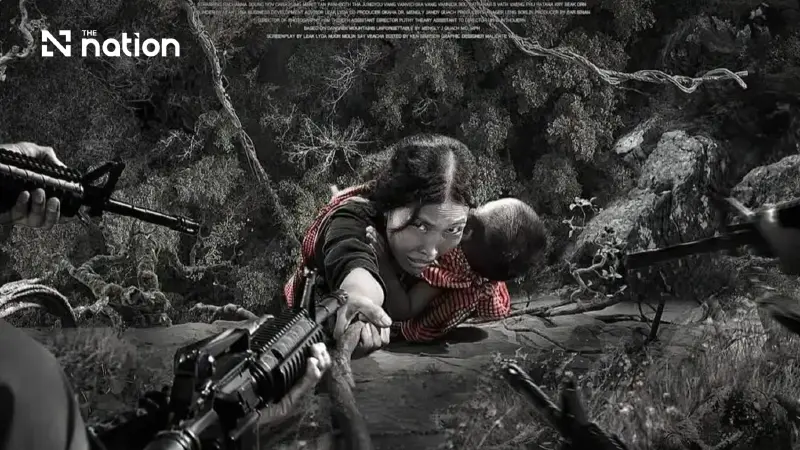


Thai defence and information officials urge discretion over Killing Fields 2, stressing historical facts over dramatised movie scenes
- Thai officials are urging calm and restraint in response to a controversial new Cambodian film, "Killing Fields 2: Blood Border," which depicts military violence during the 1979 refugee crisis.
- They emphasise the need to distinguish between the film's "creative dramatisation" and verified historical facts, stating the movie is based on personal memories, not official archives.
- While acknowledging the historical suffering of refugees, officials warn that using the film to incite new animosity could undermine diplomatic relations between Thailand and Cambodia.
- Thai authorities are reviewing the film's content for inaccuracies but have stated there is currently no basis to demand a ban, preferring to address issues through diplomatic channels.
Thai defence and information officials urge discretion over Killing Fields 2, stressing historical facts over dramatised movie scenes.
Thai officials have urged restraint and called for historical facts to be separated from cinematic embellishment following controversy over Killing Fields 2: Blood Border, a new Cambodian film depicting military violence during the 1979 border refugee crisis.
Speaking on 24 October 2026, Air Chief Marshal Prapas Sornchaidee, Director of the Thai–Cambodian Joint Information Center (JIC), acknowledged the hardship suffered by Cambodian refugees during the forced repatriations of 1979.
However, he cautioned against using past historical pain to incite fresh animosity between the two neighbouring nations.
Fact vs creative dramatisation
Addressing scenes in the movie trailer showing uniformed personnel bearing the Thai flag committing violence, ACM Prapas stressed that creative works must be distinguished from verified historical records.
"Thailand respects historical facts and acknowledges the suffering of Cambodian refugees," ACM Prapas said. "However, a film is a creative work. Verified evidence must be separated from dramatised scenes. History must be studied transparently—not used to spark new hatred."
The JIC confirmed it is reviewing the film's contents but stated there is currently no basis to demand a ban or take retaliatory measures. ACM Prapas added that Thailand would clarify any significant historical or uniform inaccuracies directly with evidence, whilst maintaining creative freedom and avoiding hate speech.

Army cautions against diplomatic fallout
Royal Thai Army Spokesman Major General Winthai Suvaree clarified that the production is based on personal memories rather than official historical archives.
He noted that military operational scenes appear to have been dramatised for entertainment value. Maj Gen Winthai warned that using media to distort history or fuel resentment could undermine ongoing bilateral negotiations and diplomatic efforts to restore relations.
"Learning shared history between our two nations should be based on verifiable evidence and academic research," Maj Gen Winthai stated. "Creative works should not be used as tools to distort history or incite hatred."
The Royal Thai Army advised the public to consume media with discretion, distinguish drama from factual history, and rely on credible information channels.
The military confirmed it will continue to monitor the situation closely and address any issues through diplomatic channels or the JIC framework.
