Thailand seeks six-month halt at Myanmar mines over arsenic in border rivers


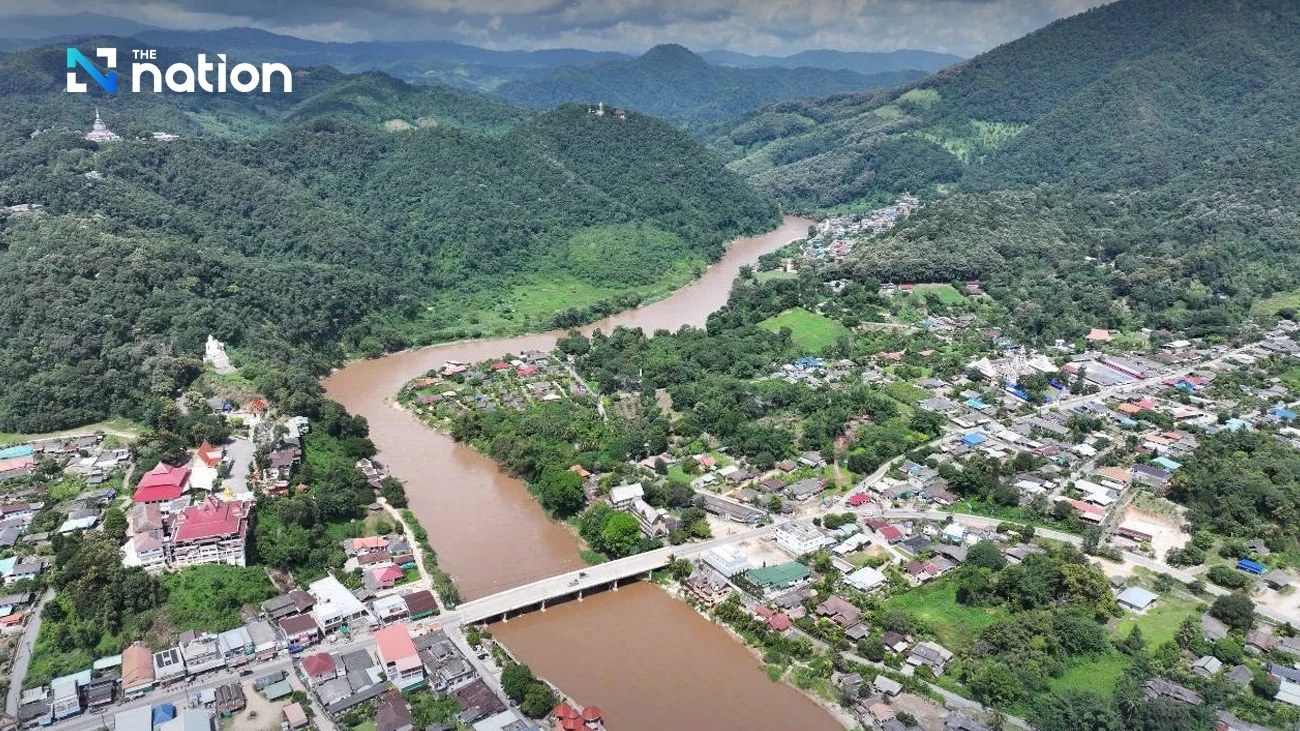
Thai researchers linked arsenic in the Kok and Sai rivers to upstream mining in Myanmar and identified two gold-mining areas for joint inspections.
- Thailand has formally requested that Myanmar suspend operations for six months at mines suspected of causing arsenic pollution in the shared Kok and Sai rivers.
- The request is based on scientific evidence showing a significant increase in arsenic levels, with chemical analysis and satellite imagery linking the contamination to upstream gold, sulphide-ore, and rare-earth mining in Myanmar.
- Thai researchers demonstrated that arsenic concentrations were highest at the border and decreased downstream, indicating a source within Myanmar.
- While the suspension proposal is under consideration, Thailand and Myanmar have agreed to a joint one-year monitoring plan to collect water samples from 12 sites in both countries.
Thailand presented scientific evidence linking arsenic contamination in the Kok and Sai rivers to upstream mining in Myanmar and urged its neighbour to suspend operations for six months at mines suspected of contributing to the pollution.
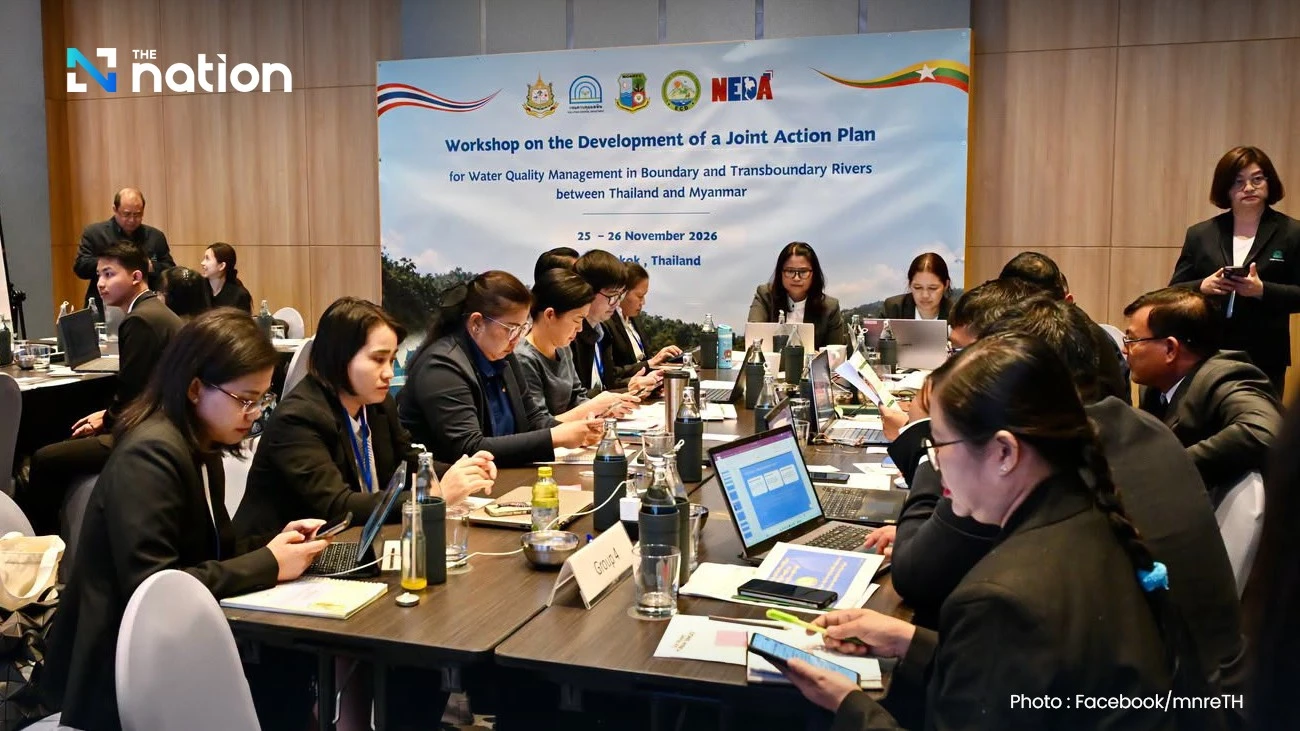
At talks with Myanmar and China on 24 November, Thai researchers showed how arsenic concentrations fell as the rivers flowed downstream from the border. Chemical analysis linked the excess arsenic to mining in Myanmar’s Shan State, while satellite images helped researchers narrow the search for pollution sources along the Sai.

“I asked them to close the mines for six months,” said Deputy Prime Minister Yodchanan Wongsawat, who also serves as minister of higher education, science, research and innovation.
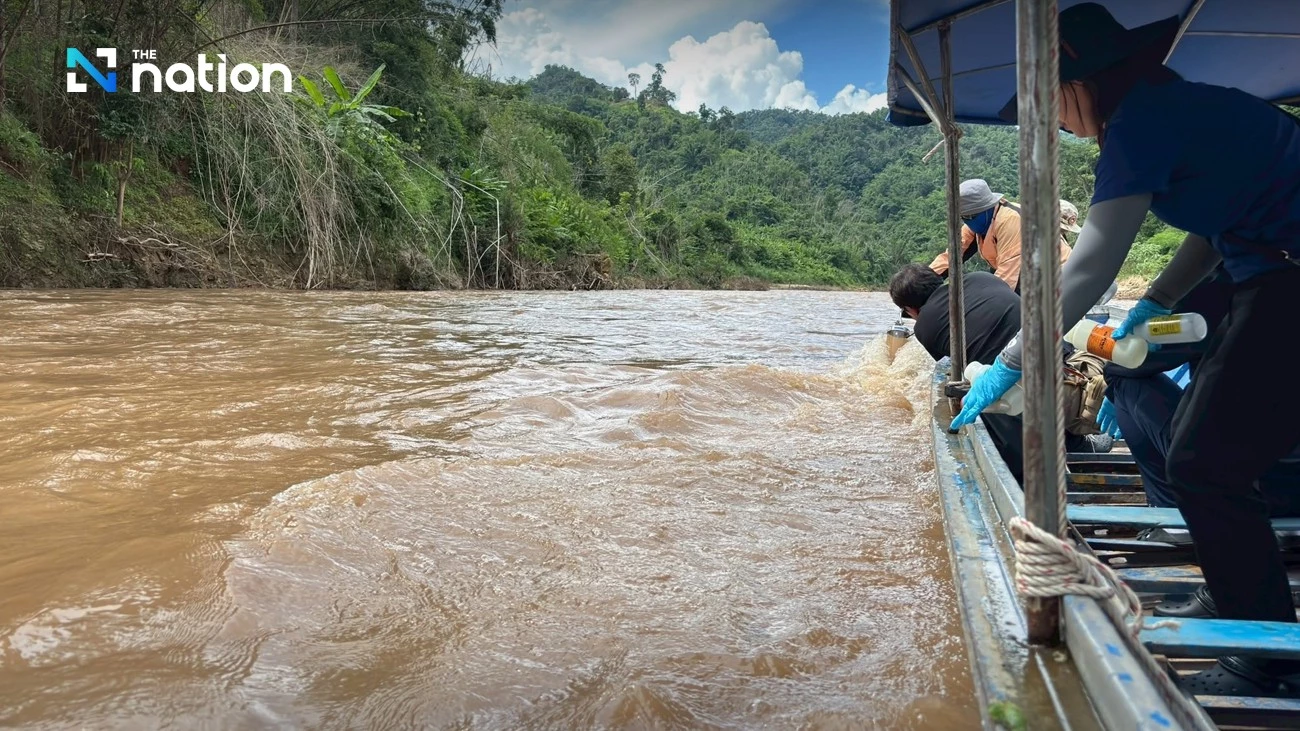
Thailand asked for access to the sites so investigators could collect samples and check where contaminated sediment was entering the rivers. The suspension proposal remained under consideration on 26 November.
Water tests trace arsenic upstream
A team led by Associate Professor Tanapon Phenrat of Thailand Science Research and Innovation compared water and riverbed samples collected in 2008–09 with those from 2025–26. In the earlier period, almost 98% of surface water samples met the arsenic standard. By 2025–26, 29% exceeded it. The proportion of riverbed sediment samples above the relevant standard rose from about 29% to 82%.
The researchers examined 227 water samples collected over 26 rounds of testing. In the nine rounds when arsenic concentrations were high at the border, levels fell as the water flowed farther into Thailand. That pattern pointed investigators towards an upstream source.
The team used thorium as a chemical marker to distinguish between types of mining. In the Sai, an estimated 32–33% of arsenic above natural background levels had a chemical signature associated with rare-earth mining. The remaining 67–68% was consistent with gold or sulphide-ore mining. In the Kok, the estimates were 39–50% for rare-earth mining and 50–61% for gold or sulphide-ore mining.
Two gold-mining areas are priorities for inspection
To narrow the search along the Sai, researchers combined 17 Sentinel-2 satellite images with a model of how sediment moves downstream. They estimated that two gold-mining areas in Myanmar together accounted for about two-thirds of the river’s turbidity, or cloudiness, by the time it reached Mae Sai district in Chiang Rai. The model attributed about 30% to the area near Ban Kan and 36% to the area near Pang Tung.
Those percentages measure the estimated contribution to the river’s cloudiness. Determining how much arsenic came from an individual mine requires samples from the sites themselves. The team recommended joint sampling and higher-resolution satellite imagery, with the two gold-mining areas first in line for inspection.
Thailand and Myanmar identify 12 joint sampling sites
At their first bilateral working-group meeting, Thailand and Myanmar agreed in principle to a one-year monitoring plan. They identified 12 places to collect water samples, six in each country. Each side will sample four points on the Kok and two on the Sai. The first joint sampling is provisionally scheduled for December 2026 or January 2027.

Raweewan Bhuridej, Thailand’s permanent secretary for natural resources and environment, said access to some mining areas would require discussions with representatives of Shan State. China offered mining expertise and support for joint surveys. The Thai government also said Thailand and China planned to establish a laboratory at Mae Fah Luang University in Chiang Rai to compare chemical fingerprints from individual mines.
For communities downstream, the immediate concern is clean water. Thailand’s Department of Groundwater Resources is drilling deep wells in Mae Sai to provide an alternative supply for 14 villages.