
Broadcasters seek legal clarity as NBTC roadmap vote is delayed
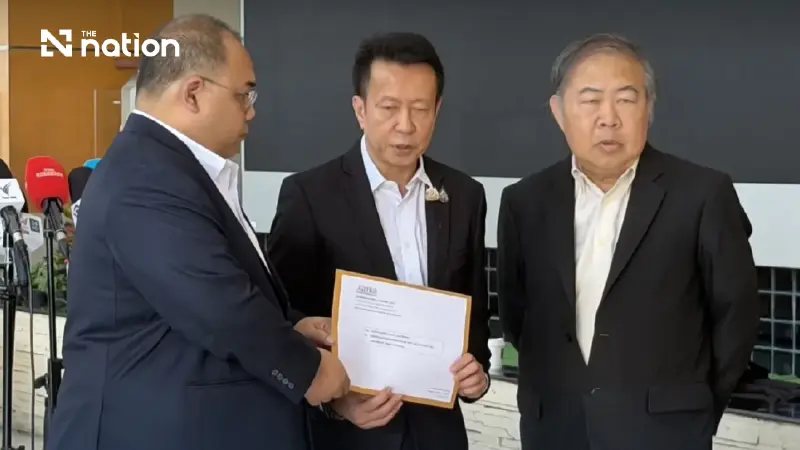


Digital TV operators warn that the dispute over NBTC chairman Sarana Boonbaichaiyapruck’s eligibility for office could expose roadmap decisions to legal challenges.
A dispute over the legal authority of the chairman of the National Broadcasting and Telecommunications Commission forced the regulator’s board meeting to end without a quorum on July 27, after digital television operators warned that uncertainty over his status could expose decisions on the Digital TV Roadmap to legal challenge.
The dispute over the status of NBTC chairman Clinical Professor Sarana Boonbaichaiyapruck culminated in three commissioners leaving the meeting, delaying consideration of the Digital TV Roadmap and the National Streaming Platform.
Digital television operators had submitted a letter to Sarana and all seven NBTC commissioners shortly before the meeting, warning that unresolved questions over his eligibility for office could leave any decision on the roadmap open to legal challenge or later annulment.
The Association of Digital Television Broadcasting (Thailand) urged the board to clarify Sarana’s legal status before considering major agenda items. It stressed, however, that the roadmap itself should proceed without further delay.

The confrontation followed a 4-0 resolution by the NBTC selection committee on July 17 that Sarana lacked the qualifications to remain in office. The decision had been formally circulated to all commissioners, making the July 27 meeting the board’s first since they were notified.
Operators seek legal certainty before roadmap vote
Representatives of the digital television association submitted the letter at 8.30am, about an hour before the meeting was scheduled to begin.
The association represents operators holding a combined 15 commercial and public-service digital terrestrial television licences. It said its members would be directly affected by the Digital TV Roadmap and other policies determining the industry’s future.
The NBTC board had previously instructed its office to return the roadmap for consideration within 30 days. That deadline had expired, leaving operators seeking clarity before existing digital television licences end in 2029.
The National Streaming Platform was another major item awaiting consideration. The proposed infrastructure would support online distribution of television content as audiences increasingly shift from terrestrial broadcasting to internet services and digital platforms.
The association cited Section 23 of the law governing the NBTC, which covers board meetings, voting and cases in which a commissioner has an interest in a matter under consideration.
It asked the seven commissioners to clarify Sarana’s legal authority following the selection committee’s resolution, expedite consideration of the roadmap and ensure that votes on important matters could proceed without doubts over their legality.
The association maintained that the dispute should not be allowed to stop the NBTC’s work. Any decision on the roadmap, however, must rest on a legally secure process that broadcasters can use when planning their future operations.

Internal message draws criticism before meeting
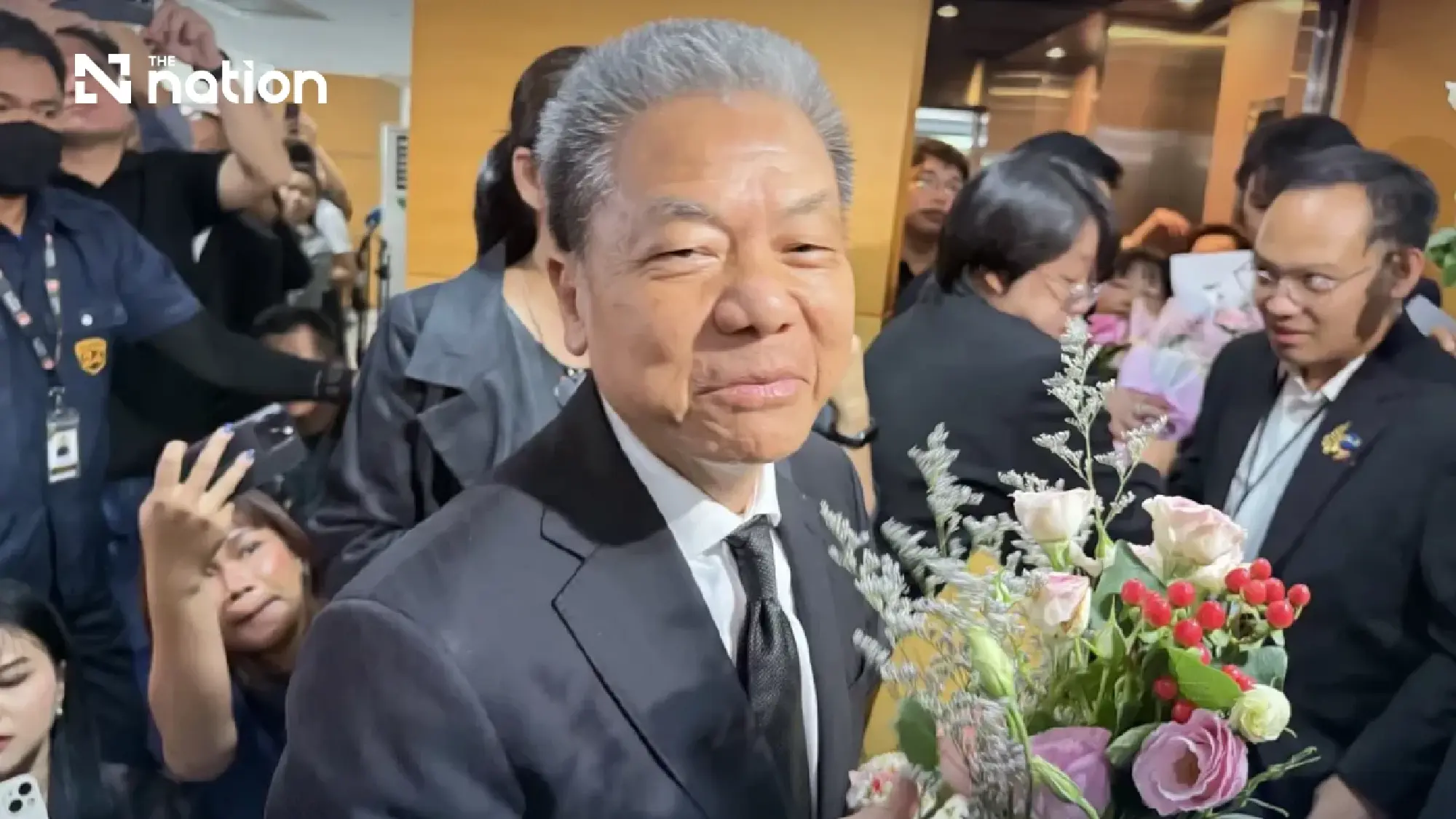
The meeting also followed the leak of an internal LINE message inviting NBTC employees and contract staff to gather at 9am to support Sarana before he entered the meeting room.
The message prompted questions about the use of internal organisational channels at a time when the chairman’s legal status remained contested. The NBTC Office had issued no formal explanation of the message.
Several employees arrived with flowers for Sarana that morning.
Before the formal session, commissioners held informal discussions on how the board should proceed. Air Marshal Thanapant Raicharoen raised the question of Sarana’s status and the possibility of choosing another commissioner to chair the meeting temporarily.
Such an arrangement could have allowed the board to consider urgent matters even if Sarana did not preside over the session.

Three commissioners leave as quorum collapses
Sarana entered the meeting room and attempted to open the meeting as usual, insisting that he remained the lawful NBTC chairman.
He argued that no royal command had been issued removing him from office and that no other order had changed his legal status.
Acting NBTC secretary-general Trairat Viriyasirikul told the meeting that the NBTC Office continued to regard Sarana as holding all the powers of chairman under the law.
Trairat also expressed the view that commissioners who declined to attend or perform their duties could face questions over a possible failure to carry out their legal responsibilities, including potential issues under Section 157.
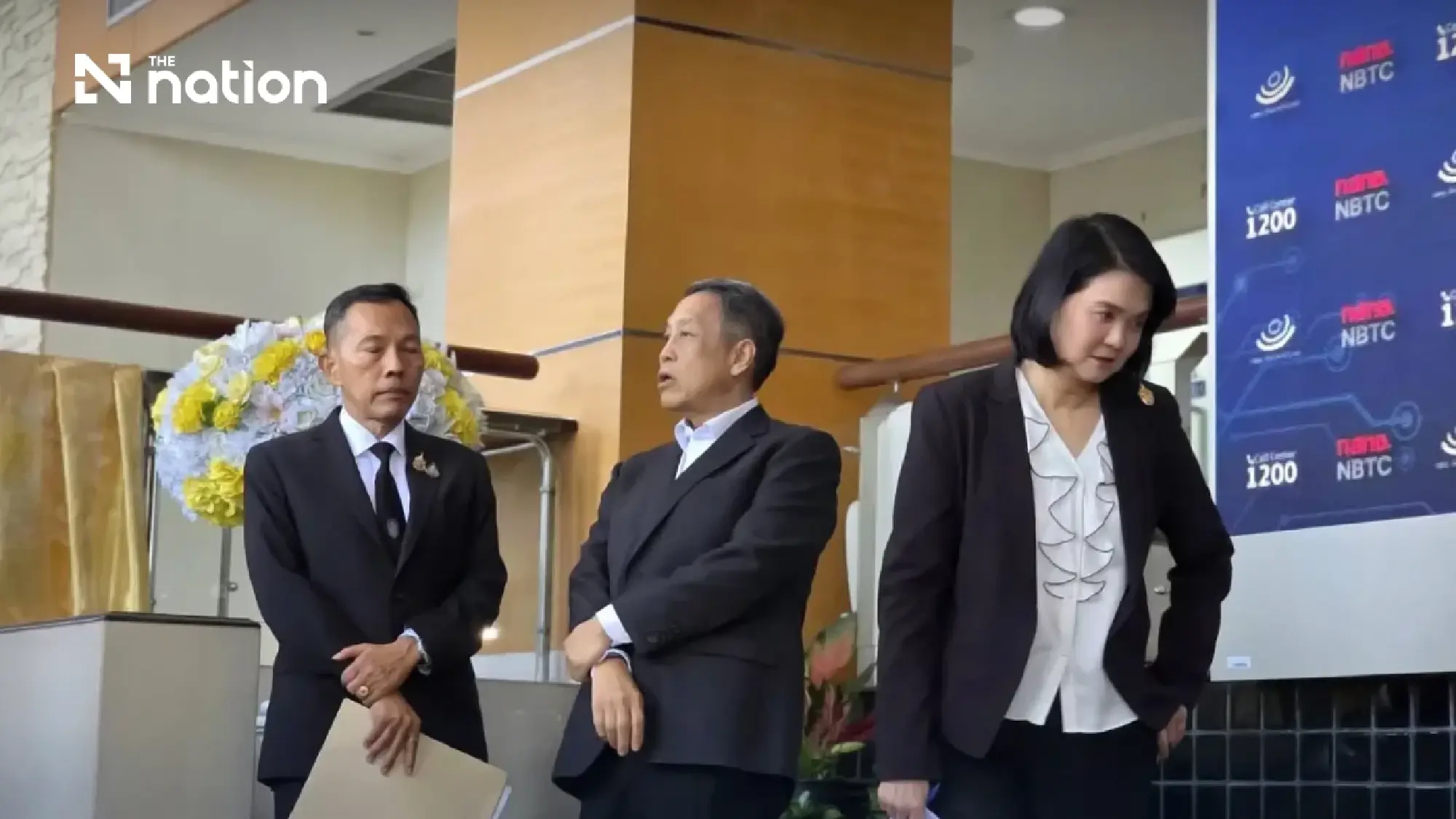
Professor Emerita Pirongrong Ramasoota, Suphat Suphachalasai and Air Marshal Thanapant opposed proceeding with the meeting under Sarana’s chairmanship.
They argued that the selection committee’s written resolution had created uncertainty over whether he could lawfully preside over the board. Participating in deliberations and votes could leave every resolution open to challenge or annulment, they said.
The three commissioners also questioned whether they would receive legal protection for decisions made under those circumstances.
They left the meeting room together, depriving the board of a quorum. Commissioner Somphop Purivigraipong was on leave, meaning six of the seven commissioners had reported to the NBTC headquarters that day.
Sarana waited for the three commissioners to return during the required 30-minute period. When none came back, he closed the meeting at 10am, half an hour after it had opened.
Pirongrong rejects description of walkout
Pirongrong later insisted that the commissioners had not staged a walkout.
She said they wanted the board to settle the question of Sarana’s legal status before moving to the scheduled agenda. Joining the meeting and voting without such clarity could create legal risks for commissioners and affect the industries governed by the NBTC, she argued.
Sarana rejected the selection committee’s conclusion and said he would appeal to the Administrative Court within 90 days.
He maintained that any removal from office must follow the procedure prescribed by law and said he would continue performing his duties until a royal command was issued.
Sarana warned that repeated disruption to board meetings could affect more than 20 important matters awaiting consideration.
He subsequently scheduled new board meetings for August 5 and 6, with the postponed session due to resume on August 5.
The legal dispute remains unresolved. Should the standoff continue, the board may have to decide whether to appoint a temporary meeting chair so that decisions on broadcasting and telecommunications regulation can proceed.
