
Thai court to hear case testing platform liability
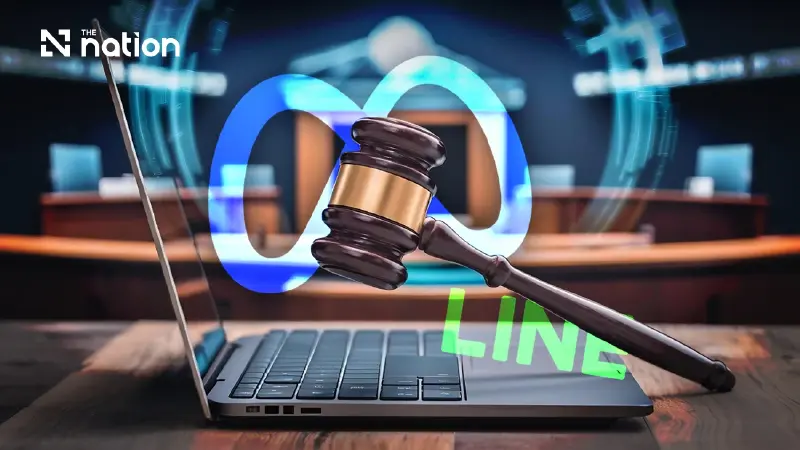


A case-management hearing is set for August 3 as the Thailand Consumers Council seeks shared liability from platforms, app providers and banks.
All 17 defendants in a consumer lawsuit against online platforms, application service providers and financial institutions have been legally served with copies of the claim and court summonses, clearing the way for the first case-management hearing on August 3, 2026.
The Thailand Consumers Council’s legal team reported that the defendants included companies based in Thailand and overseas. The hearing will mark the formal start of proceedings in a case seeking compensation for Thai consumers allegedly defrauded through online investment schemes.
The council is asking the court to consider whether companies that control digital platforms or directly benefit from transactions involving Thai users should share liability when alleged shortcomings in their systems allow scammers to cause losses.
Overseas parent companies brought into case
Nannaphatsorn Techapanyapipat, the lawyer overseeing the case, explained that the legal action was not limited to companies registered in Thailand. It also named overseas parent companies that set policies, control platform operations and determine system-security measures.
In Meta’s case, the council named both its parent company in the United States and an Ireland-based entity. The council argued that the Irish company was connected to Thai consumers as the contracting party receiving payments for advertising and other services, while the US parent controlled the platform’s policies and systems.

The action involving LINE similarly named entities in Japan and Thailand, seeking to bring companies with direct control over the service into the proceedings rather than limiting the case to local businesses performing marketing or co-ordination duties.
The legal team argued that previous platform-related cases had often encountered difficulties because Thai subsidiaries maintained that they were only marketing representatives without authority to set policy or control the systems in question.
The council now wants the court to determine whether overseas parent companies should share responsibility when allegedly inadequate safeguards allow scammers to exploit their platforms and harm consumers.
Council seeks wider consumer protections
The council stressed that the lawsuit was intended not only to obtain compensation for the individual claimants but also to establish a broader consumer-protection precedent.
It wants global online platforms to strengthen security controls and provide appropriate remedies when consumers suffer losses connected to services operating through their systems.
“Platforms earning revenue from Thai consumers should protect their systems and provide appropriate remedies when harm occurs,” Nannaphatsorn said.
The council maintains that businesses benefiting financially from Thai users should not be able to receive that income without accepting responsibility for consumer safety.
Lawsuit followed fake investment advertisements
The Thailand Consumers Council, its lawyers and representatives of 10 affected consumers filed the civil action at the Civil Court on Ratchadaphisek Road on June 8, 2026.
The cases seek the return of funds and damages totalling more than 230 million baht from 17 defendants linked to online platforms, app services and financial transactions.
According to the council, the alleged schemes began with fake investment advertisements before victims were directed to messaging services, encouraged to download investment applications and instructed to transfer money through bank accounts. The council argues that the interconnected roles of advertising platforms, communication services, app-download channels and financial institutions should be examined together.
Meta did not immediately respond to a Reuters request for comment when the planned legal action was announced in June. The company has previously stated that it invests in detecting and removing scam content and works with regulators and law-enforcement agencies to combat misuse of its platforms.
The council’s latest update did not include responses from the other defendants.
