
Brent and US crude prices jump over 6% on September 10
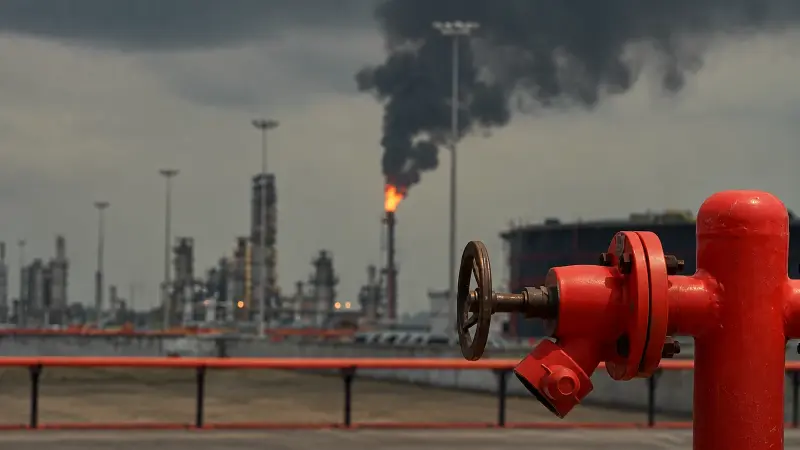


Attacks on shipping near the Strait of Hormuz and fresh threats in the Red Sea raise supply fears, with Brent closing at US$107.63 a barrel
- Brent and US crude gained more than 6% on September 10, with both closing above US$100 a barrel, Reuters reported.
- Iran said it attacked 10 ships near the Strait of Hormuz on September 9.
- ING analysts said a sustained recovery in Chinese oil buying could amplify the price impact of supply disruptions.
- The Organization of the Petroleum Exporting Countries cut its 2026 oil demand growth forecast to 380,000 barrels per day, its fifth consecutive downward revision.
Brent and US crude futures climbed more than 6% on Thursday (September 10, 2026), finishing above US$100 a barrel as escalating attacks on Middle Eastern shipping heightened fears for oil supplies. Reuters described the surge in attacks as the largest since the Iran war began, threatening further disruption to an already tight market.
At settlement, Brent stood at US$107.63 a barrel after gaining US$6.42, or 6.34%. West Texas Intermediate (WTI), the US benchmark, added US$6.43, or 6.69%, to close at US$102.48 a barrel.
The September 10 rally carried both Brent and WTI to their highest levels since May 19 and delivered their strongest increases in nearly two months. WTI also traded above US$100 a barrel for the first time since May 21.
Shipping and energy facilities face wider threats
Iran said it attacked 10 ships near the Strait of Hormuz on Wednesday (September 9), following US strikes on five Iranian oil tankers. Iran’s Islamic Revolutionary Guard Corps warned that further attacks would bring an intensified response.
Reuters reported that Iran-aligned Houthis captured Yemen’s port of Mocha on September 10, creating another threat to Red Sea shipping. Gulf traffic through the Strait of Hormuz remained restricted amid an intensification of tanker attacks in recent days, with oil flows still far below pre-war levels.
Simon-Peter Massabni, identified by Reuters as head of business development at XS.com, warned that attacks launched from Yemen against Saudi energy facilities widened the risks beyond Iran and the Strait of Hormuz. Disruption could now spread across regional export routes, oil production sites and other energy infrastructure, rather than remain concentrated at one chokepoint, according to Massabni.
US President Donald Trump warned that the United States might strike Iran’s Pickaxe Mountain, near the heavily damaged Natanz uranium enrichment facility. Trump also indicated that the war would probably continue beyond the November midterm elections.
“With prospects for a definitive resolution to the Iran conflict dimmed and Brent crude prices recently topping $100 for the first time since July, crude oil markets are now settling into a prolonged new normal where disruption risk is persistent, not episodic,” S&P Global Energy wrote in a new analysis.
Chinese buying could determine the rally’s staying power
ING analysts highlighted China’s purchases as a key influence on the oil rally. China, the world’s largest crude importer, had increased buying in recent weeks after months of subdued demand, helping to strengthen physical crude markets, the bank noted.
“For months the bearish case rested on soft Chinese demand,” said David Jorbenaze, global oil market lead at commodities information provider Independent Commodity Intelligence Services (ICIS).
ING analysts outlined two possible paths for oil prices: a sustained recovery in Chinese buying could magnify the effect of supply interruptions and push prices higher, while weaker imports could restrain the gains.
US stocks decline and OPEC lowers demand forecast
US crude inventories fell by 391,000 barrels to 424.1 million barrels in the week ending September 4 as refining activity remained strong, Reuters reported, citing the US Energy Information Administration’s weekly petroleum data. The decline was smaller than the 1.55-million-barrel fall analysts had forecast.
The Organization of the Petroleum Exporting Countries (OPEC) lowered its forecast for global oil demand growth in 2026 to 380,000 barrels per day on September 10. Reuters reported that a copy of OPEC’s monthly report showed a fifth consecutive downward revision.
OPEC’s oil production fell by 640,000 barrels per day in August, according to a Reuters survey. Renewed disruption to Saudi exports linked to the Iran war and a US blockade that reduced Iranian shipments contributed to the decline.
