
Thailand sets 5 ride-hailing rules for 2026 floods
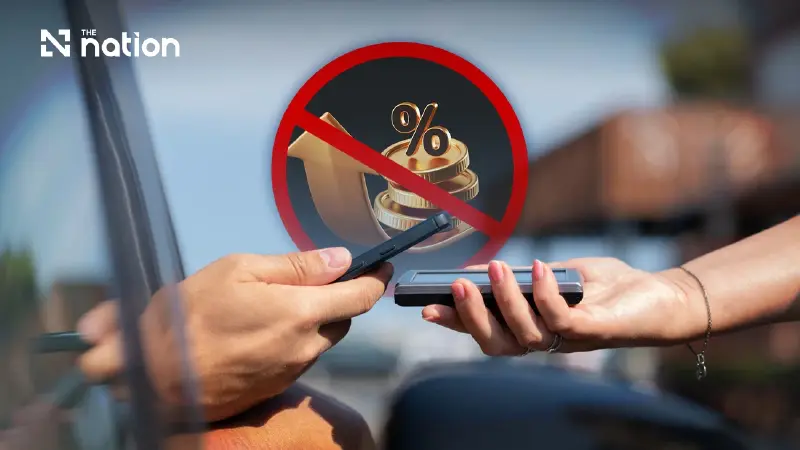


Thai ride-hailing apps must stop unauthorised extra fees and unjustified refusals, flag flood risks and prioritise vulnerable passengers
- Ride-hailing platforms are prohibited from exploiting passengers during the floods with excessive fares, unauthorized extra charges, or unjustified service refusals.
- Companies must inform drivers about flood risks and hazardous road conditions to ensure passenger safety and help with route planning.
- Operators are required to manage vehicle supply to meet local needs, prioritizing vulnerable passengers such as the elderly, children, and people with disabilities.
- Platforms must maintain effective channels for handling passenger complaints about unfair treatment and cooperate with official investigations.
Department of Land Transport (DLT) issued five instructions to ride-hailing platforms in a statement published on September 29, 2026, warning operators against exploiting flood-hit passengers through excessive fares, unauthorised charges or unjustified service refusals. DLT director-general Sorapong Paitoonphong said flooding and standing water had disrupted travel across many parts of Thailand, including Bangkok and surrounding provinces. The department had instructed all ride-hailing platforms to supervise their services closely and ensure passengers were treated fairly.
“The department is deeply concerned and understands the hardship people are facing. Alongside the distress caused by the disaster, restrictions on everyday travel mean they increasingly need to rely on buses and other public hire vehicles,” Sorapong said.
App report-card plan would track platform compliance
Sorapong said in the September statement that the DLT was preparing to introduce points deductions under an “app report-card” scheme to regulate and systematically monitor ride-hailing providers.
The planned deductions would target operators that failed to comply with requirements. Sorapong also said the department would enforce the law strictly.
Five instructions cover fares, driver conduct and passenger support
The DLT directed every ride-hailing platform to follow these five requirements:
1. Keep fares and service charges fair. Platforms must ensure prices comply with legally prescribed rates and criteria. Abnormally high increases intended to exploit passengers during the crisis are prohibited.
2. Prevent extra charges and unjustified refusals. Platforms must ensure drivers do not demand payments beyond those specified by the booking system. Drivers should act with public-mindedness, recognise passengers’ difficulties and avoid cancelling or refusing journeys without reasonable grounds.
3. Keep drivers informed about flood risks. Platforms must provide information on hazardous areas, standing floodwater and road closures so drivers can assess conditions, choose suitable routes and reduce risks to passengers and themselves.
4. Match vehicle availability to local needs. Platforms must manage their systems to provide an appropriate supply of vehicles in each area. Priority should be given to people with urgent travel needs, older people, people with disabilities, children and other vulnerable passengers.
5. Handle complaints and provide effective assistance. Platforms must maintain effective channels for complaints and passenger support, promptly follow up reports of unfair fares, unjustified cancellations or refusals, and other conduct affecting users. Operators must also cooperate with the
DLT’s fact-finding investigations.
