
RID expects Bangkok defences to hold at 2,500m³/s on Oct 5
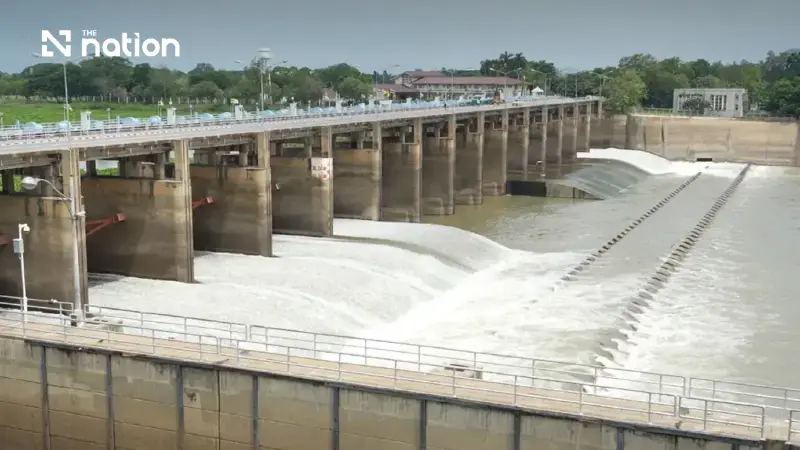


Riverside areas outside flood defences remain under watch as Thailand prepares for heavier rain in the South from October 8–9.
- The Royal Irrigation Department (RID) is maintaining a release of 2,500 cubic metres per second from the Chao Phraya Dam and expects Bangkok's flood embankments to hold.
- The water release is a proactive measure to lower upstream water levels and create capacity for anticipated rainfall in the North and Central regions.
- Despite confidence in the main defences, riverside areas located outside of the flood embankments in Bangkok and other downstream provinces require close monitoring.
- Local rainfall is a separate concern, with substantial rain forecast for the Central region on October 5 and during October 10-11.
The Royal Irrigation Department (RID) said on October 5, 2026, that it was maintaining releases from the Chao Phraya Dam at 2,500 cubic metres per second to make room for further rainfall. The department said the resulting river levels would not overtop embankments protecting urban areas in Bangkok and neighbouring provinces.
Thanes Somboon, director of the RID’s Bureau of Water Management and Hydrology, said riverside areas outside flood embankments still required close monitoring. Local rainfall remained a separate concern, particularly on October 5 and during October 10–11, when substantial rain was expected in the Central region.
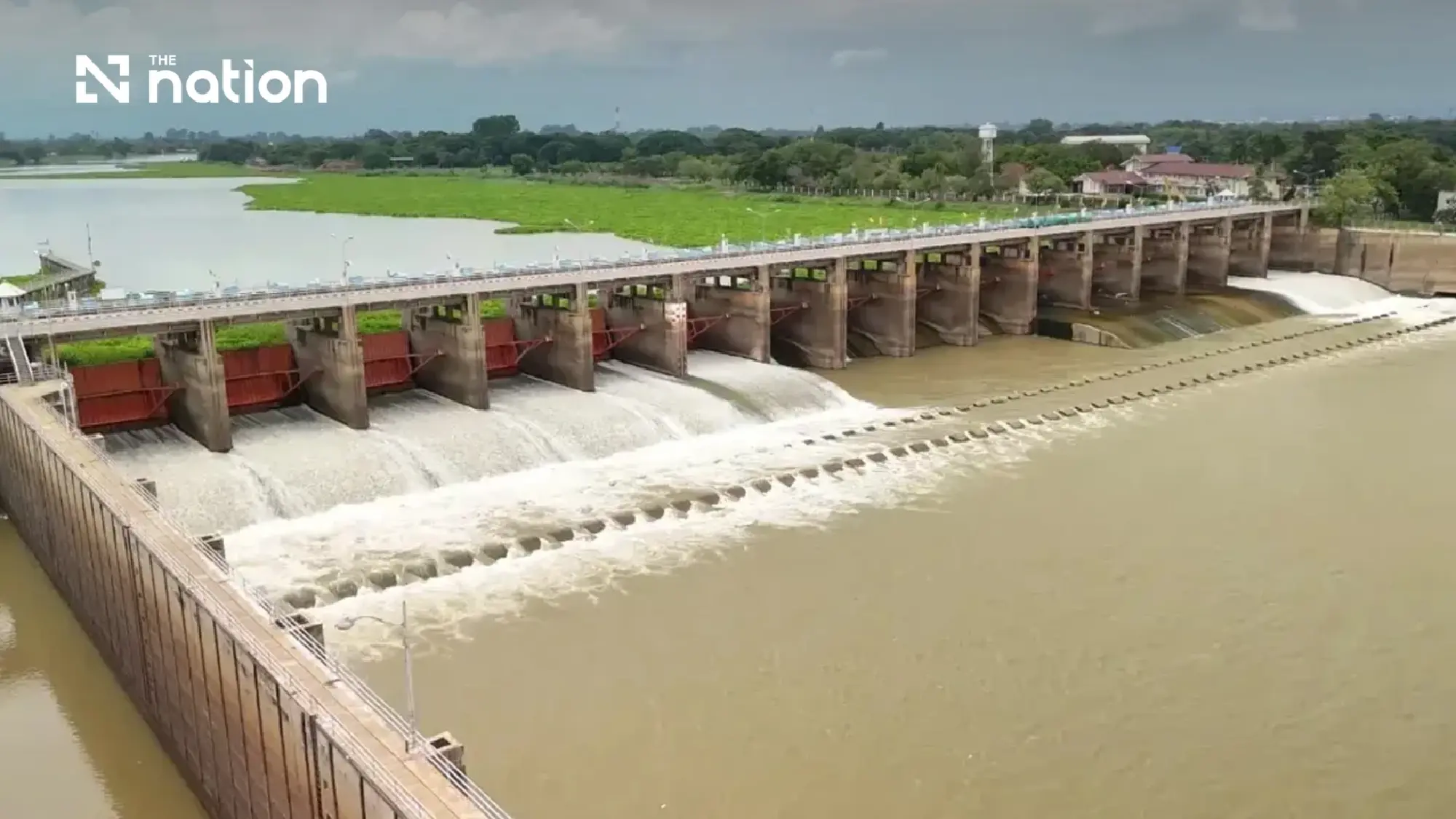

Chao Phraya releases make room for further upstream rain
Thanes said maintaining Chao Phraya Dam releases at 2,500 cubic metres per second was necessary to lower upstream water levels ahead of forecast rain in Kamphaeng Phet and Uthai Thani. The operation would create room for additional inflows, including water from further rainfall in the Ping River basin.
Water converging at Pak Nam Pho in Nakhon Sawan subsequently joins flows from the Sakae Krang River in Uthai Thani, Thanes said. Water levels in both areas were trending down in the October 5 update.
Bhumibol and Sirikit, the two main dams identified in Thanes’s assessment of the Chao Phraya basin, were holding water at 68% and 81% of capacity respectively. Thanes said both retained sufficient space to accommodate runoff from the rain forecast in the North.
Thanes said the releases affected downstream areas in Chai Nat, Sing Buri, Ang Thong, Ayutthaya, Pathum Thani, Nonthaburi, Bangkok and Samut Prakan. Water discharged at the current rate had reached Bangkok and passed through Samut Prakan, requiring continued monitoring of all riverside areas outside embankments. เ
Flood embankments in Pathum Thani and Nonthaburi also required inspection, Thanes said. The prime minister had instructed provincial governors to work with irrigation officials to check defences along the Chao Phraya River.
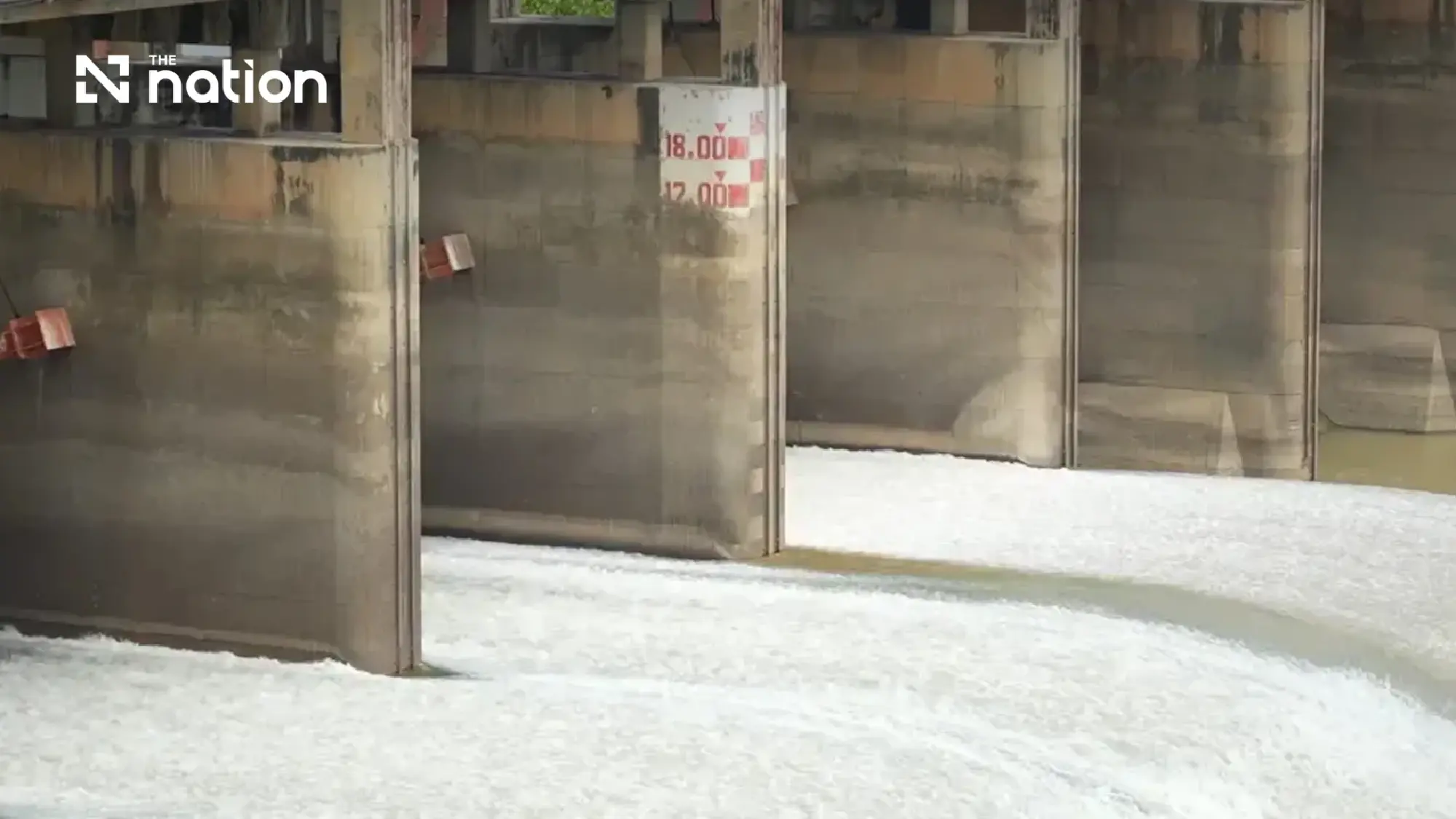

Bang Pakong remains under watch as Mae Klong releases ease
The Bang Pakong basin remained under close watch as flooding in Prachin Buri receded slowly, while releases from Mae Klong Dam in Kanchanaburi were declining, Thanes said. เนชั่นทีวี
Floodwater passing through Prachin Buri had already reached the Bang Pakong River and was joining water from the Nakhon Nayok River, Thanes said. The RID had reduced discharges from Khun Dan Prakan Chon Dam, although continued monitoring of the combined flows was still necessary.
In the Mae Klong basin, Thanes said water management at Vajiralongkorn and Srinagarind dams needed coordination with the Electricity Generating Authority of Thailand (EGAT). Releases had to be adjusted appropriately to avoid sudden downstream impacts.
Rain forecast to shift west before intensifying in the South
Fatah Masthawee, the Thai Meteorological Department’s specialist in weather forecasting systems development, said rain would increasingly focus on western Thailand during October 6–7, followed by heavy rain in the South on October 8–9. Fatah outlined the forecast at the Joint Information and Communication Center (JICC) flood briefing.
Fatah said rainfall in the Northeast was expected to diminish as the high-pressure system weakened. Rain on October 5 was forecast in the western Northeast, the North, the Central region, the East and the South.
A low-pressure trough was forecast to lie across Phetchaburi during October 10–13, affecting the East, the Central region and the South, Fatah said. The Meteorological Department had coordinated with the RID to monitor conditions in Phetchaburi.
Phetchaburi and southern provinces prepare drainage for more rain
The RID’s director-general had ordered local irrigation offices to install pumps near Kaeng Krachan Dam to accelerate water drawdown and inspect Phetchaburi’s drainage systems, Thanes said. Thanes described the systems as 100% operational and ready to receive water if the dam overflowed or heavy rain fell.
With southern rainfall expected to increase during October 10–11, the RID’s director-general had also instructed local irrigation offices to prepare drainage systems to handle mountain runoff flowing into urban areas, Thanes said. Preparations focused particularly on the eastern South, including Chumphon, Nakhon Si Thammarat, Songkhla, Yala, Pattani and Narathiwat.
