
Police target 6bn-baht foreign nominee network across Bangkok luxury estates


Thai police have raided 17 locations linked to 94 luxury homes worth more than 6 billion baht, targeting alleged nominee companies used by foreign buyers to hold land.
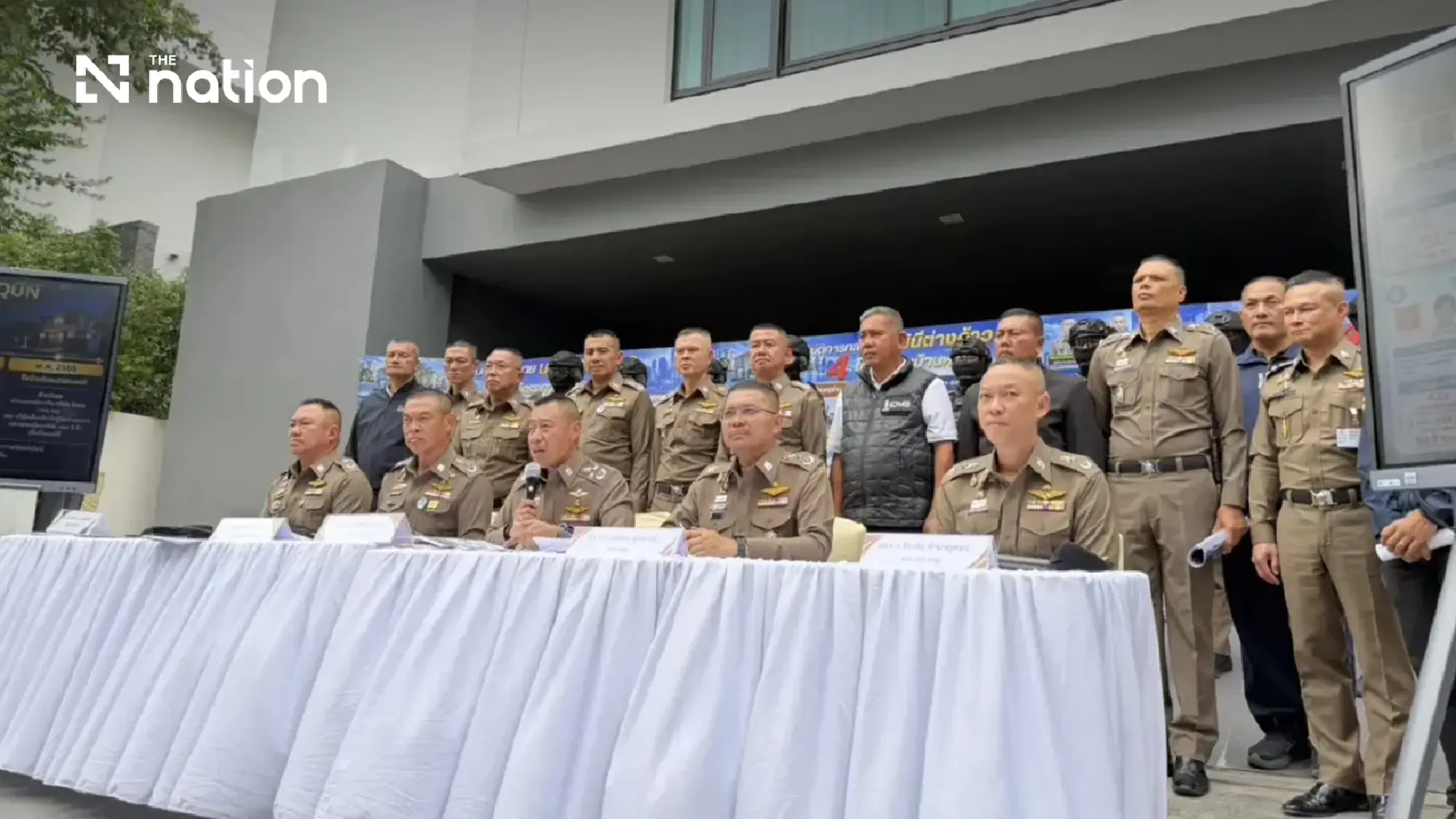
Thai police have launched the eighth phase of a crackdown on suspected foreign nominee networks, searching 17 locations linked to 94 luxury homes and land worth more than 6 billion baht across four major residential developments in Bangkok.
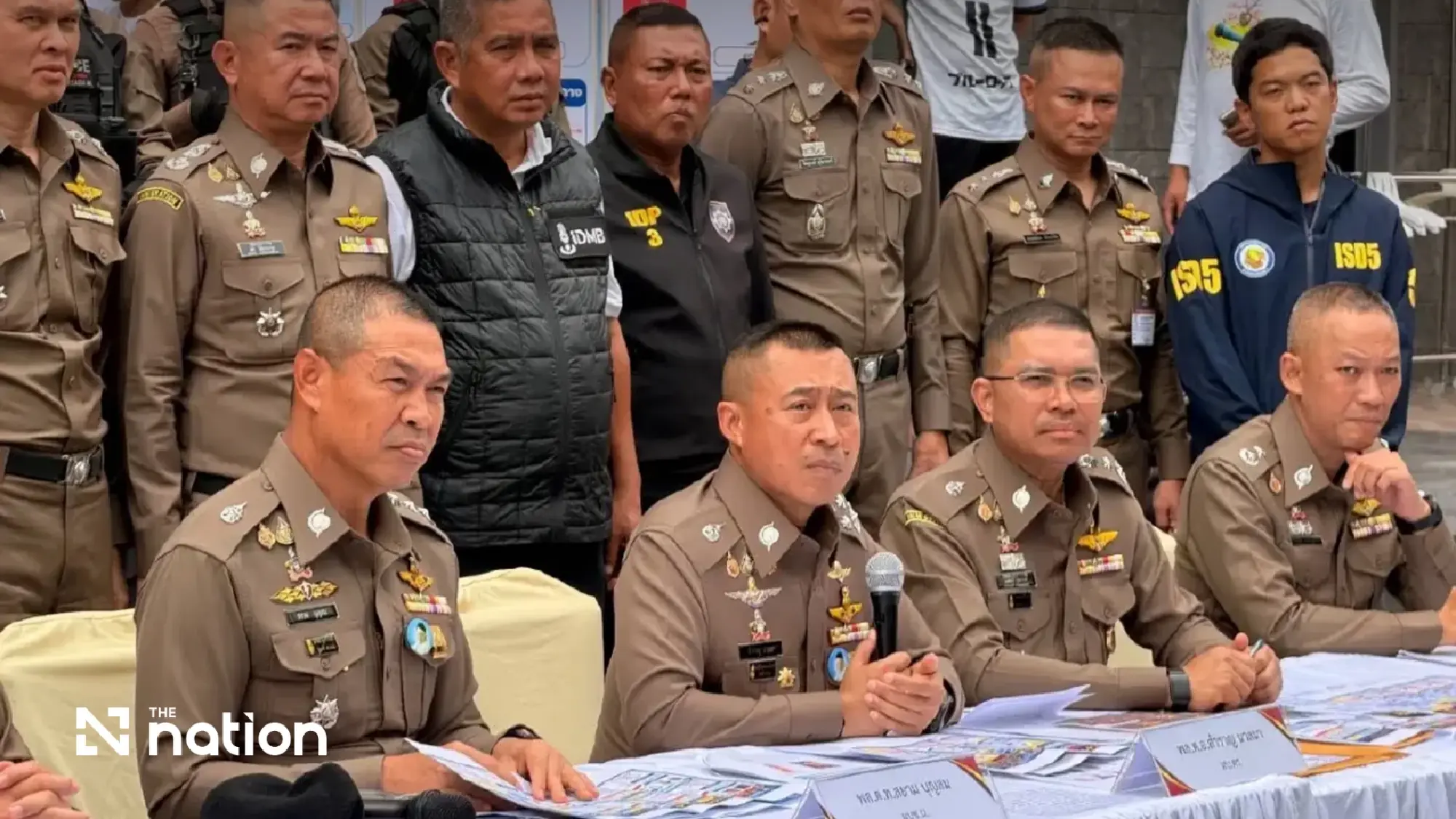
Pol Gen Samran Nualma, Commissioner-General of the Royal Thai Police, led more than 100 officers in Friday’s (October 10) operation alongside Pol Lt Gen Nopasin Poolsawat, Commissioner of the Immigration Bureau, and other senior officers.
The searches covered developments in the Bang Na-Suan Luang, Bang Na-Wongwaen, Rama IX-Srinakarin and Krungthep Kreetha areas.
Police said investigations had identified 94 houses with land covering more than 33 rai, or about 5.28 hectares, allegedly held through 95 companies using Thai nominee shareholders.
The properties under investigation are valued at more than 6 billion baht. Police said the broader inquiry covers 96 suspects and 95 related cases, while 86 arrest warrants had been issued for foreign nationals.
Eleven foreign suspects had been arrested during the operation, comprising 10 Chinese nationals and one US national.

Chinese murder suspect found at luxury Bangkok home
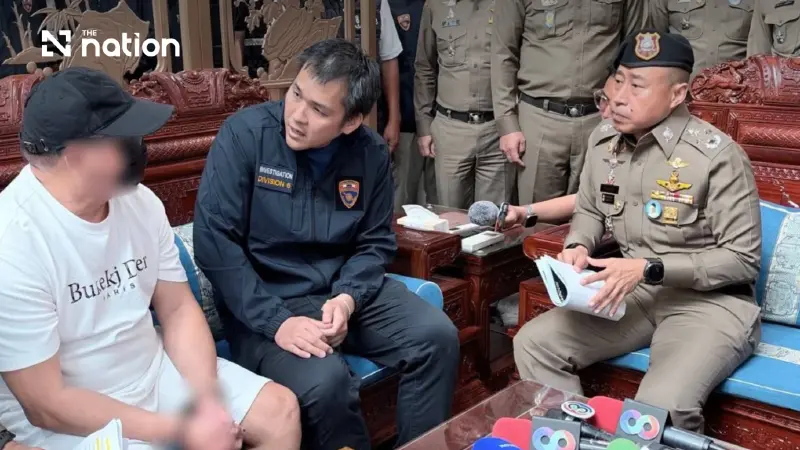
One of the principal targets was a luxury house in the Krungthep Kreetha area belonging to a Chinese man identified by police as Chao.
Investigators said Chao held both Chinese and Cambodian passports and was wanted by Chinese authorities over a triple murder in Ulanhot, China, on January 30, 2018.
Police said the killings were linked to an online gambling dispute.
Chao was also identified as a shareholder in a company holding a house and land in a luxury development in the Rama IX-Srinakarin area, where homes are marketed at between 50 million and 69 million baht.
According to investigators, the property had been acquired in 2022 through a company suspected of using nominee shareholders.
During questioning through an interpreter, Chao told police that he had fled China following the murder case and travelled to Cambodia because his Chinese passport was subject to an arrest alert.
He claimed that he later obtained a Cambodian passport through contacts in Phnom Penh before travelling to Sri Lanka and subsequently entering Thailand during the Covid-19 period.
Police said he had travelled in and out of Thailand dozens of times using the Cambodian passport.
Investigators are also examining possible links between Chao and online scam operations in Myawaddy and Shwe Kokko in Myanmar and Sihanoukville in Cambodia.
Chao declined to answer questions about whether he had operated a scam office in Myawaddy.

Suspect says he paid cash for 43m-baht house
Chao told investigators that he had bought his Thai property for 43 million baht in cash in 2022 after being introduced to an agent by the housing development.
He said he then consulted a company on how a foreign national could purchase the house and claimed he had not known the identities of the Thai shareholders involved.
Police are treating those claims as part of the investigation.
Samran said investigators had traced the structure back to registered companies and law firms allegedly used to arrange property purchases for foreign nationals who could not legally hold land directly in Thailand.
The suspected model involved companies structured with 51% Thai shareholding and 49% foreign ownership, while police allege that some Thai shareholders had no genuine investment or involvement in the companies.

Thai nominee says documents taken after online loan
Police said one Thai national identified as a shareholder in a company linked to Chao claimed to have had no knowledge of the business.
The person told investigators that they had applied for an online loan in 2022 and handed over personal documents during that process.
They later discovered that their name had allegedly been used as a company shareholder and said they were shocked when an arrest warrant stated that they were connected to shares worth 400 million baht.
Police said similar cases raised concerns that personal identification documents may have been obtained and used to establish nominee companies without some named shareholders fully understanding how their information was being used.
Law firms and property agents face expanded investigation
Investigators are now examining the role of property agents and law firms that allegedly facilitated company structures for foreign buyers seeking houses in developments where direct foreign land ownership is restricted.
Police said some foreign buyers did not know the Thai shareholders formally listed alongside them.
The investigation will examine how potential nominee shareholders were recruited and whether law firms advertised or systematically offered company-registration arrangements designed to circumvent property laws.
Several law firms providing services to Chinese clients are under review, according to police.
Samran warned that enforcement would continue against businesses facilitating unlawful nominee structures.
Police will also coordinate with the Anti-Money Laundering Office (AMLO) to examine the source of funds and assets connected with the properties.
Three houses rented out before owners apparently disappeared
Police also found that three of the 94 properties under investigation had been rented out for 350,000 baht, 50,000 baht and 40,000 baht per month, respectively.
However, rent had reportedly not been collected for the previous three to five months.
Samran said investigators suspected some Chinese owners had been monitoring earlier phases of the nominee crackdown and may have left Thailand before the latest operation.
Police intend to expand the investigation to other luxury housing developments in Bangkok, particularly properties bought for cash and potentially connected with online gambling, scam networks or suspicious corporate structures.
The operation also identified other foreign suspects wanted in China or Thailand for alleged online fraud and other offences. Separate reporting confirms that investigators found company shareholders linked to Interpol Red Notices and Thai arrest warrants.
Police said the homes and land involved would remain subject to examination while investigators establish ownership structures, financial trails and whether Thai shareholders were genuine investors or nominees.
