
Thailand drafts 2027 PM2.5 policy targeting 5–10% reduction
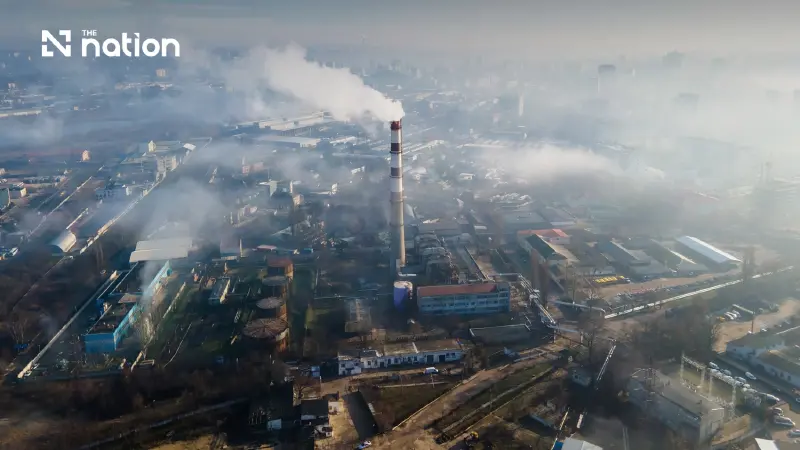


Thailand’s draft 2027 plan targets a 5–10% cut in average PM2.5 levels through stricter controls on burning, vehicles and factories.
- Thailand has drafted a policy for 2027 that targets a 5–10% reduction in average PM2.5 concentrations compared to 2026 levels.
- The plan focuses on tackling pollution at its source through tighter controls on agricultural and forest burning, along with stricter inspections of vehicles and factories.
- In addition to the main goal, the policy aims to reduce the number of days exceeding pollution standards by 5–15% and decrease burned agricultural and forest areas by at least 10%.
- Measures also include addressing transboundary haze through international cooperation and preparing public health protections like dust-free rooms.
Thailand has drafted measures to reduce average PM2.5 concentrations by 5–10% in 2027 compared with 2026, with tighter controls on agricultural and forest burning and stricter inspections of polluting vehicles and factories.
The Ministry of Natural Resources and Environment is focusing on tackling pollution at its source before the pollution season, rather than waiting for particulate levels to rise.
Dr Raweewan Puridej, permanent secretary for natural resources and environment, instructed agencies to accelerate coordinated preparations at a meeting on November 5, 2026, at the Pollution Control Department.
Dr Surin Worakijthamrong, director-general of the Pollution Control Department, reported that the meeting had agreed in principle to a draft package covering five areas. The proposals will be submitted to the National Environment Board and the Cabinet for consideration.
Four reduction targets measured against 2026
The draft sets separate goals for PM2.5 concentrations, the number of days exceeding the pollution standard and the extent of burning. The targets for 2027, compared with 2026, are:
- Average PM2.5 concentrations: a reduction of 5–10%.
- Days when PM2.5 levels exceed the standard: a reduction of 5–15%.
- Forest area burned: a reduction of no less than 10%.
- Agricultural area burned: a reduction of 10–15%.
Agricultural burning controls and forest fire monitoring
Agricultural measures would promote farming without burning, support machinery for managing crop residues and encourage private-sector participation through platforms. Provincial fuel-management plans would also be developed.

Forest fire prevention would focus on 14 high-risk forest complexes, using personnel and surveillance drones in cooperation with the Ministry of Higher Education, Science, Research and Innovation.
Thermal detection cameras would be installed in forest areas to pinpoint hotspots more accurately and help officials reach fires more quickly.
Urban inspections and cross-border haze cooperation
The urban measures would strengthen inspections of vehicles emitting black smoke, bus depots, construction sites and industrial factories. They also call for expanding low-emission zones and promoting the Green List Plus anti-pollution campaign.

A separate part of the package would address transboundary haze through cooperation with neighbouring countries.
Funding preparations and public health protection
Budget preparations would support forest fire prevention, burning controls and Royal Rainmaking or weather-modification operations.
The public health component includes communicating pollution conditions, issuing alerts and protecting vulnerable groups. Agencies would also prepare dust-free rooms and protective equipment for the public.
Raweewan has called for close coordination across agencies and action within their respective responsibilities to ensure a timely, effective response that reduces the health impact of PM2.5 pollution.
