
Bangkok poll opens smoothly as Chadchart urges 80% turnout mandate
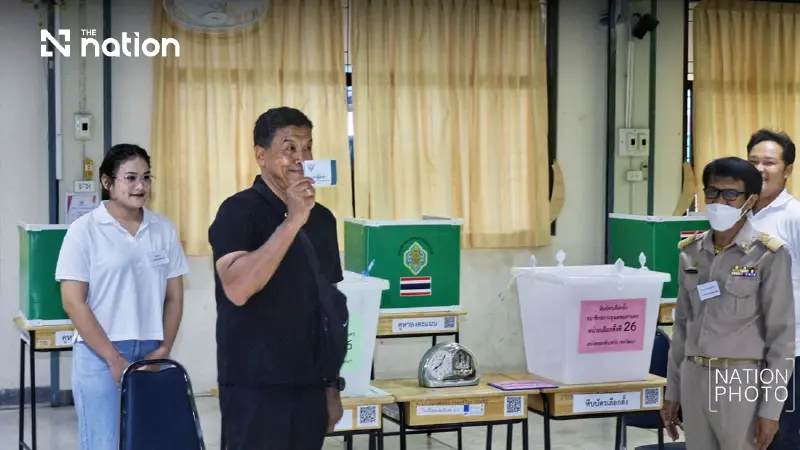


Bangkok opened 6,628 polling stations for the governor and city council elections, with Chadchart Sittipunt urging voters to deliver a strong mandate.
Bangkok voters went to the polls on Sunday to elect the capital’s governor and city councillors, in an election increasingly framed as a test of public mandate after independent candidate Chadchart Sittipunt urged residents to deliver a turnout of up to 80% to strengthen the next administration’s legitimacy.
Polling stations opened at 8am across the capital, with the Bangkok Metropolitan Administration saying all 6,628 polling stations were ready and operating smoothly. The city has around 4.4 million eligible voters, including more than 20,000 first-time voters.
BMA says all polling stations ready
At the polling station at Phraya Suren Five-Intersection Market in Bang Chan subdistrict, Khlong Sam Wa district, Narong Ruangsri, permanent secretary of the Bangkok Metropolitan Administration, inspected the polling area, officially opened voting and cast his own ballot.

The overall atmosphere was peaceful, with a steady stream of residents arriving from the morning to exercise their voting rights. Narong said all polling stations across Bangkok had opened as scheduled at 8am and that officials had reported orderly conditions citywide.
Khlong Sam Wa was among the key districts being monitored because it has the largest number of polling stations in Bangkok, with 246 stations and about 170,000 eligible voters. Many residents arrived before polling opened, reflecting early enthusiasm among voters.
Traffic and rain plans put in place
Narong said the BMA had prepared measures to support voting throughout the day, including traffic management and weather response plans.
Road elevation construction in the area around the Phraya Suren polling site could affect traffic flow, prompting coordination with local police to prepare a traffic management plan.
With rain forecast in some areas, the BMA also instructed the Department of Drainage and Sewerage and all district offices to prepare emergency response measures, including equipment and personnel to deal with possible flooding or water accumulation around polling stations.

Narong said vote counting was expected to be completed and unofficial results known by no later than 10pm, provided there were no delays. The BMA has set up a central vote collection and processing centre at Bangkok City Hall at Sao Chingcha to receive results after polls close at 5pm.
He said officials had been instructed to perform their duties transparently, honestly and fairly.
“Every single voice plays a part in shaping the future direction of Bangkok,” Narong said.
The BMA permanent secretary added that, as of June 27, only one complaint had been filed regarding an official’s performance. He said the case appeared to involve a misunderstanding, but details were still under factual investigation.
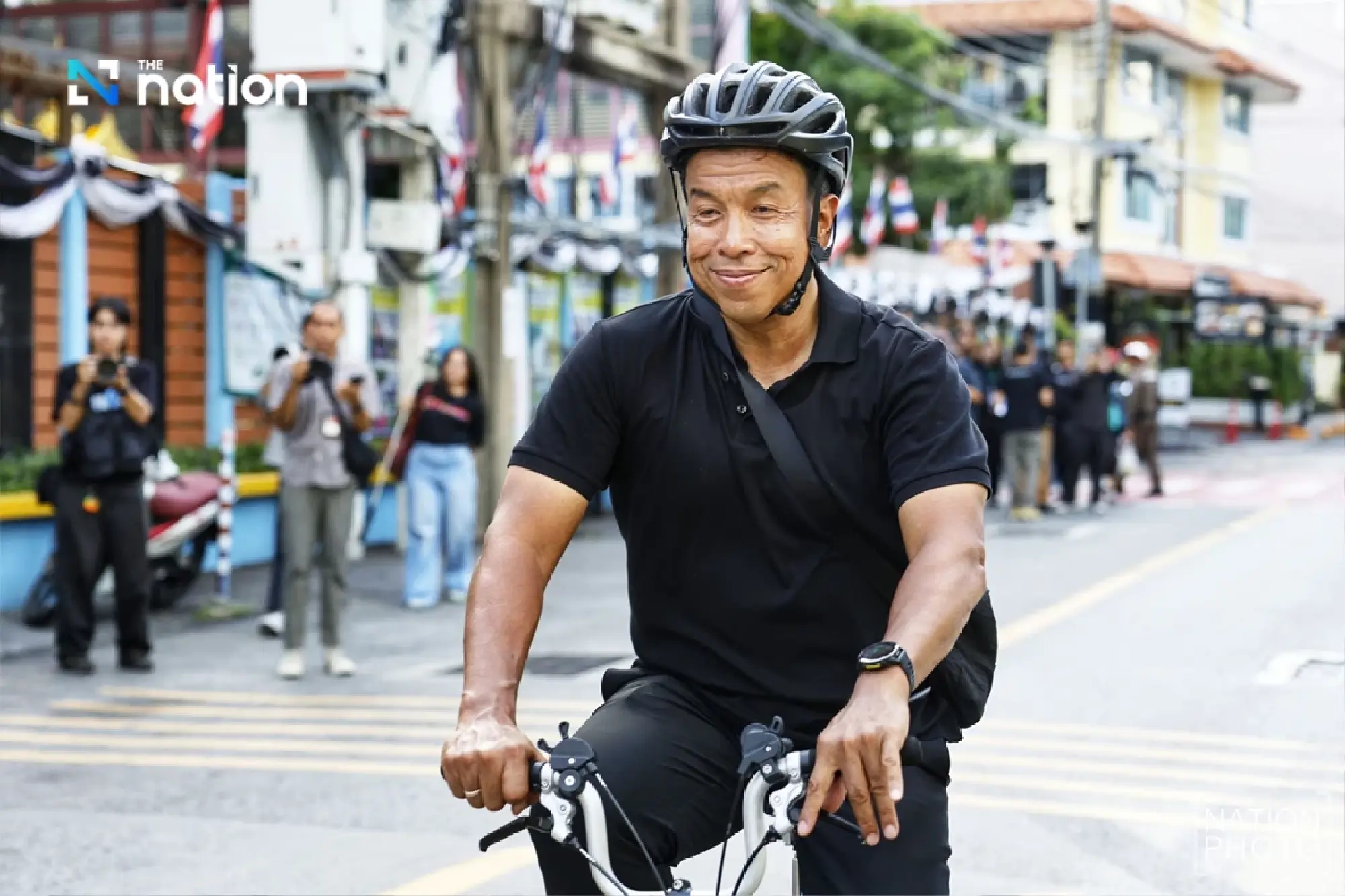

Chadchart cycles to vote, seeks strong mandate
Chadchart, who is running as an independent candidate, cycled to cast his ballot at Chaem Chan School in Watthana district.
After voting, he said he hoped Bangkok’s voter turnout would reach 80%, higher than the previous election, when turnout was about 60%. He said election day was a key moment in a democratic system because every vote would be counted.
He urged Bangkok residents to come out in large numbers to give political strength and a clear mandate to the next Bangkok governor and the new Bangkok Metropolitan Council.
Chadchart said the Bangkok governor must work with many agencies, adding that strong public support would send a clear signal about what city residents wanted. He said such a mandate would help the Bangkok Metropolitan Administration work more effectively with the national government.
However, he warned that low turnout could raise questions about whether the public was serious about its demands, especially on issues requiring broad public backing.
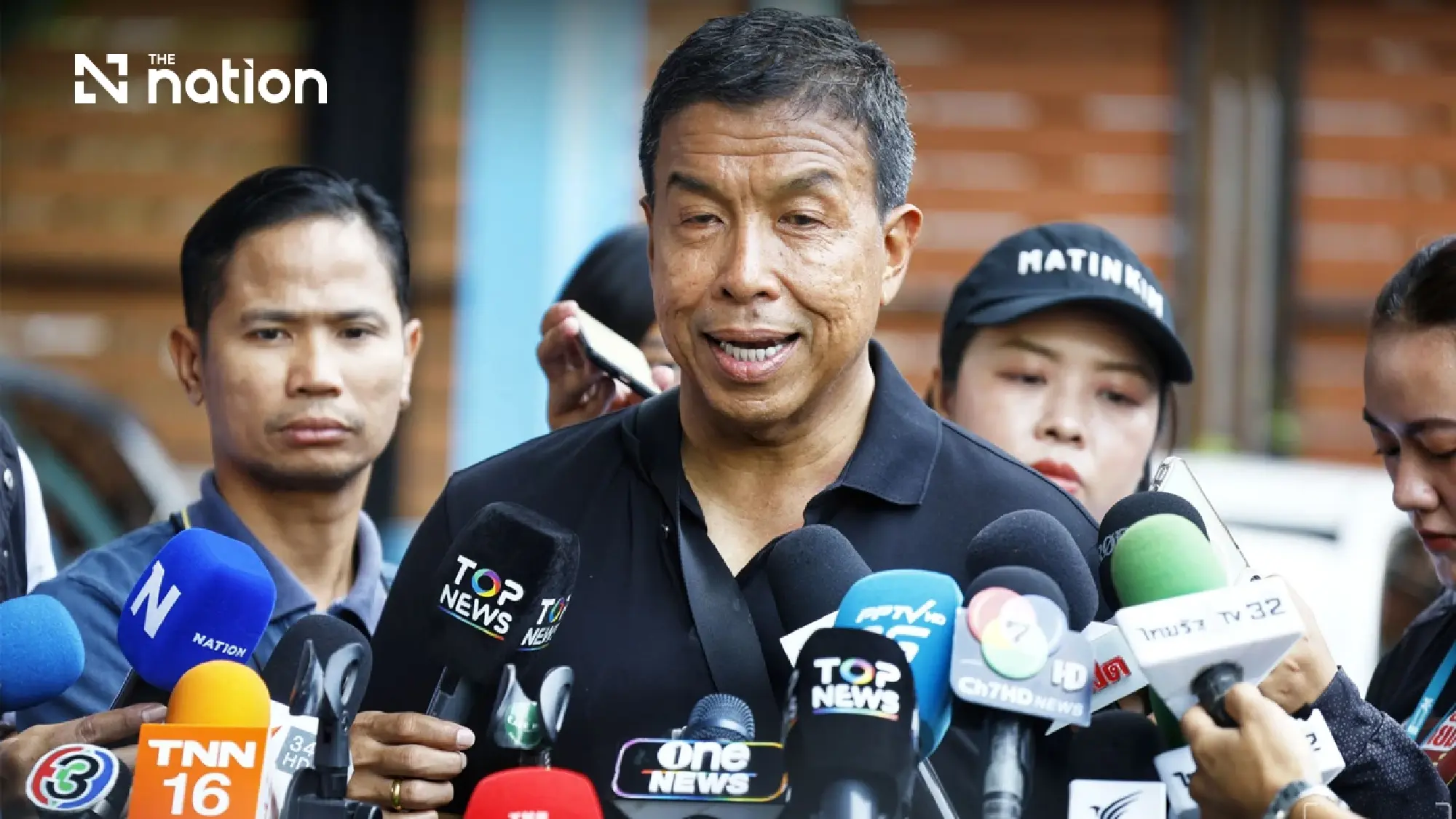

‘Whatever happens, happens’
Chadchart said his team would not conduct its own vote count this year and would wait for results reported through television coverage.
“Whatever happens, happens,” he said.
He also urged voters to be careful when marking their ballots, noting that there were two ballot papers and that voters should avoid marking the wrong one.
On concerns over electoral fraud, Chadchart said it was the duty of election officials to handle any irregularities. He added that officials appeared to be carrying out their duties rigorously.
He said he had asked officials to perform their work fairly because Bangkok needed an election result that could be trusted and that would help strengthen democracy.
Asked whether he expected the period after the election to be difficult or easy, Chadchart said nothing was ever easy.
He said work only became harder over time, regardless of where one worked, and that whether he won or lost, life had to move forward.
Politicians turn out from morning
Political figures from several parties also turned out to vote from the morning, reflecting the high political interest surrounding the Bangkok race.
Natthaphong Ruengpanyawut, a party-list MP and leader of the People’s Party, cast his ballot and urged Bangkok residents to vote in large numbers.
He said the Bangkok election was important because voters’ decisions would affect the quality of life of people across the capital. He added that, regardless of the result, the People’s Party was ready to move forward.
Srettha urges next governor to tackle corruption
Former prime minister Srettha Thavisin also cast his ballot in Bangkok, walking from his home in the Sukhumvit area with his dog, Chaoguay, to a polling station at the car park of City Lake Tower condominium on Sukhumvit Soi 16 in Khlong Toei district.
After voting, Srettha said he wanted to leave a message for the next Bangkok governor, urging the incoming administration to tackle corruption and build public confidence in anti-corruption efforts.
Election seen as test of city governance
Beyond the contest for governor, Sunday’s vote also includes the election of Bangkok Metropolitan Council members, who will play an important role in scrutinising the city administration and representing local concerns at district level.
The election therefore carries weight not only for the governor’s office, but also for the broader direction of city governance.
For Bangkok’s next administration, the challenge will be to turn campaign promises into action across a city facing complex problems that often require cooperation between City Hall, national agencies and the public.
A high turnout would give the next governor and council a stronger claim to public legitimacy. A weaker turnout, by contrast, could make it harder for the new administration to claim a broad mandate when pushing policies that require difficult decisions or inter-agency coordination.
