
Chana community submits five demands to PM Anutin on industrial estate
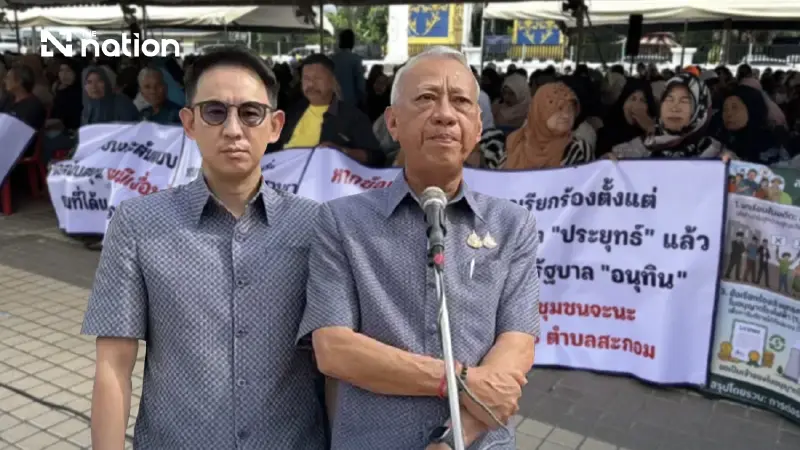


More than 1,000 people from the Chana Model Community back the industrial estate, calling for a power licence, local jobs, environmental oversight, local tax revenue and a role in CSR.
- The Chana community is demanding the license to operate a 1,100-megawatt power plant as a form of long-term security.
- They are requesting that at least 30% of the workers hired by the industrial estate be from the local Chana district.
- The community calls for an environmental oversight committee to be established with at least 50% of its members being community representatives.
- A proposal was made for taxes paid by companies in the special economic zone to be reinvested back into the local area.
- They are also demanding participation in the corporate social responsibility (CSR) activities conducted by companies in the industrial estate.
More than 1,000 people from the Chana Model Community gathered at the Kho Hong Town Municipality office in Songkhla province on Tuesday (September 1, 2026) to submit a letter to Prime Minister Anutin Charnvirakul before a mobile Cabinet meeting.
They voiced support for the development of the Chana Industrial Estate project and presented five key demands.
Deputy Prime Minister Phiphat Ratchakitprakarn came to receive the letter in person and confirmed that he would submit all the proposals to the prime minister for consideration.
Representatives of the Chana Model Community said the community wanted to participate in the development of Chana district’s special economic zone.
Their five proposals called for the community to hold the licence for a 1,100-megawatt power plant as a guarantee of long-term security; for at least 30% of the workers hired by the industrial estate to be from Chana district; for an environmental oversight committee to be established with community representatives accounting for at least half its membership; for taxes paid by companies in the special economic development area to be returned to the local area; and for the community to participate in corporate social responsibility (CSR) activities conducted by companies in the area.
They stressed that if the government did not respond to the proposals, they were prepared to oppose the project to the fullest extent.
Phiphat said the government had been instructed by the prime minister to listen to the public’s proposals and could accept all five at this stage.
He said only the proposal for the community to hold the power plant licence required a legal review and further discussions with the Ministry of Commerce, but this did not mean the proposal had been rejected.
He stressed that the project represented an important opportunity for the economic development of the five southern border provinces.
Phiphat also said the government was ready to push for the proposal to employ 30% local workers to be put into practice and believed the proportion could exceed 30%.
Priority would be given to Chana district residents before employment opportunities were extended to nearby areas and the three southern border provinces, to create jobs, generate income and reduce the number of young people moving away after graduation.
