
EC reveals Sept 14 votes against prosecuting 21 Bhumjaithai figures in Senate case
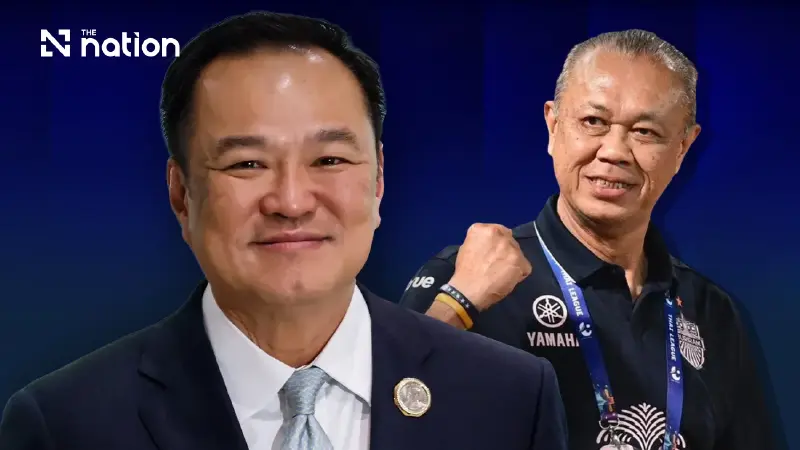


Election Commission details votes against Supreme Court petitions and criminal action against 21 Bhumjaithai figures in the Senate case
- On September 14, the Election Commission (EC) voted against prosecuting 21 individuals, primarily leaders and executives of the Bhumjaithai Party, in a Senate collusion case.
- The allegation concerned a law prohibiting political figures from helping or hindering candidates during the Senate selection process.
- The decision was not unanimous for all figures; votes against prosecution were 5-2 for 12 individuals (including party leader Anutin Charnvirakul), 6-1 for two, and unanimous for the remaining seven.
The Election Commission (EC) on September 15, 2026 disclosed individual vote results confirming it would neither petition the Supreme Court nor pursue criminal proceedings against 21 respondents, mostly Bhumjaithai Party leaders and executives, under the first allegation in the Senate collusion case.
The EC Office said the allegation concerned Section 76, paragraph one, of the Organic Act on the Acquisition of Senators, B.E. 2561 (2018). The provision prohibits political party executives, other party office-holders, MPs, local councillors, local administrators and political office-holders from helping a candidate secure selection as a senator or preventing a candidate from being selected.
Individual votes concerning 21 respondents
The EC’s September 14 decisions in the Senate selection case included unanimous votes concerning seven of the 21 respondents, votes of 6–1 concerning two respondents and votes of 5–2 concerning the remaining 12.
The 21 respondents, with their roles as recorded in the commission’s voting table, were:
- Anutin Charnvirakul, Bhumjaithai Party leader — 5–2.
- Surasak Phancharoenworakul, Bhumjaithai deputy leader — unanimous.
- Siripong Angkasakulkiat, Bhumjaithai deputy leader — unanimous.
- Chaichanok Chidchob, Bhumjaithai secretary-general — unanimous.
- Jeseth Thaiseth, Bhumjaithai deputy secretary-general — 5–2.
- Pimparueda Tunjararuck, Bhumjaithai deputy secretary-general — 6–1.
- Phattrapong Phattraprasit, Bhumjaithai deputy secretary-general — unanimous.
- Traisulee Traisoranakul, Bhumjaithai membership registrar — unanimous.
- Supamas Isarabhakdi, Bhumjaithai treasurer — unanimous.
- Korrawee Prissananantakul, Bhumjaithai executive committee member — 5–2.
- Worasit Liangprasit, Bhumjaithai executive committee member — 5–2.
- Chalat Ratchakitprakarn, Bhumjaithai executive committee member — 5–2.
- Thanayose Thimsuwan, Bhumjaithai executive committee member — 6–1.
- Jakkrid Thongsri, Bhumjaithai executive committee member — 5–2.
- Kitti Kittidhrakul, Bhumjaithai executive committee member — 5–2.
- Napintorn Srisunpang, deputy commerce minister — 5–2.
- Phichai Chomphuphon, Bhumjaithai MP — 5–2.
- Suksomrauy Wantaneeyakul, Bhumjaithai MP — 5–2.
- Paradorn Prissananantakul, Bhumjaithai deputy leader — 5–2.
- Nan Boontida Somchai, Bhumjaithai executive committee member — unanimous.
- Newin Chidchob — 5–2.
No action against 140 respondents under the second allegation
The second allegation concerned Section 76, paragraph two, of the same Act. The provision covers candidates who consent to assistance from political party executives, other party office-holders, MPs, local councillors, local administrators or political office-holders to secure selection as senators.
According to the EC’s breakdown, the 140 respondents comprised 137 people who were serving senators when the complaints were filed, one person on the Senate reserve list and two other people entitled to vote in the Senate selection process who fell outside those first two categories.
The EC voted by a majority of 5–2 against petitioning the Supreme Court or pursuing criminal proceedings against all 140 respondents under the second allegation.
