
Thailand’s tourist fee to support safer, more sustainable tourism
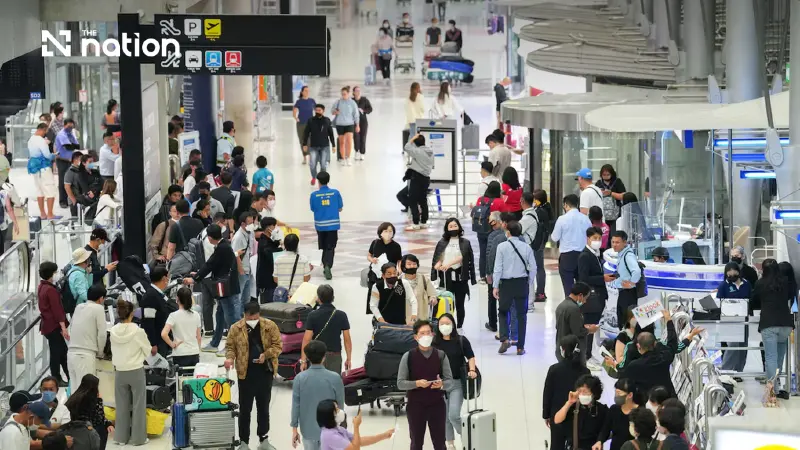


Thailand is set to join more than 80 countries that impose tourist fees to strengthen visitor protection and support long-term tourism development.
- Thailand is set to introduce a tourist fee to create a dedicated fund for visitor protection and the sustainable development of its tourism industry.
- Revenue from the fee will be used for visitor insurance, helping to cover the state's current unpaid medical expenses for foreign nationals, as well as for improving infrastructure and environmental restoration.
- The proposed scheme follows a common international practice, with over 80 countries and major destinations like New Zealand, Bhutan, and Amsterdam already charging similar levies.
- The proposal is currently under public consultation and aims to provide a permanent funding mechanism for tourism, reducing reliance on the annual state budget.
Thailand is set to join more than 80 countries that impose tourist fees to strengthen visitor protection and support the long-term development of its tourism industry. The proposed scheme could also help address the THB7 billion in medical expenses the state currently bears each year when hospitals are unable to recover the full cost of treating foreign nationals.
The Ministry of Tourism and Sports views the fee as a way to create a dedicated source of funding for visitor protection and tourism development while reducing reliance on limited annual state budgets.
Revenue would be channelled into the Tourism Promotion Fund to support visitor insurance and health protection, tourism infrastructure, environmental restoration, destination development, research, workforce development and assistance for local communities.

Tourist fees are common worldwide
Tourism levies are already used in different forms across major destinations, reflecting an established international practice in which visitors contribute towards tourism management, conservation and public services.
Bhutan charges most foreign adults a US$100 Sustainable Development Fee per person per night, while New Zealand collects a one-off NZ$100 International Visitor Conservation and Tourism Levy from most eligible international visitors.
In Europe, Amsterdam in the Netherlands charges an overnight tourism tax equivalent to 12.5% of the accommodation price. Greece applies a Climate Crisis Resilience Fee based on accommodation type and season, while Iceland charges a fixed levy on taxable overnight stays.
Barcelona in Spain also imposes tourism charges on accommodation, while Edinburgh in Scotland has introduced a visitor levy of 5% of the accommodation-only price for the first five consecutive nights of a stay.
Although the systems vary, they share a common principle: visitors contribute towards maintaining destinations and supporting the services and resources on which tourism depends.

Fee to strengthen visitor protection
Tourism and Sports Minister Surasak Phancharoenworakul has stressed the importance of establishing a permanent funding mechanism rather than relying increasingly on limited annual state budgets.
The insurance component is also intended to ease pressure on public finances when medical expenses involving foreign visitors cannot be recovered.
Under the current draft, one payment would allow eligible visitors to enter and leave Thailand several times within a 30-day period without paying again, with insurance protection under the scheme remaining valid during that period.
The proposal remains under public consultation until September 28 before returning to the National Tourism Policy Committee for further consideration.

Investing in Thailand’s tourism future
The proposed fee is intended to provide Thailand with a dedicated funding mechanism for safer travel and more sustainable tourism rather than simply adding another cost for visitors.
By directing visitor contributions towards protection, infrastructure, environmental restoration and destination development, Thailand would be following an approach already used in destinations around the world while investing in the long-term future of its tourism industry.
