
Trump faces Nov 3 midterms with his final two years at stake
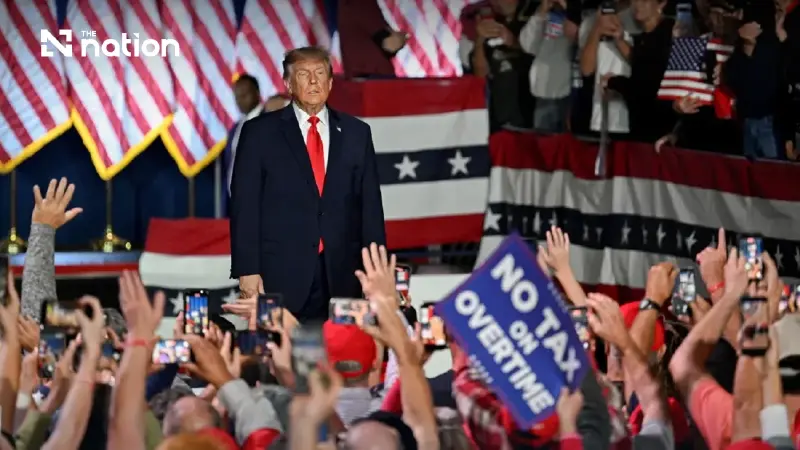


Control of the US Congress will shape Trump’s ability to govern, with spending, tariffs and the Iran war among the issues at stake.
President Donald Trump’s ability to govern during his final two years is at stake in the US midterm elections on November 3, 2026, with control of Congress determining how far Democrats can challenge his agenda. Winning either chamber would give Democrats stronger tools to scrutinise the administration, contest its spending priorities and obstruct legislation.
Kevin Chen, an associate research fellow at the S Rajaratnam School of International Studies at Nanyang Technological University, told CNA that losing one or both chambers would damage Trump’s and the Republican Party’s ability to carry out their policies.

Democrats need four-seat gains in each chamber
Democrats need a net gain of four seats in the House of Representatives and four in the Senate to control both chambers. Republicans currently hold 218 House seats against the Democrats’ 214, while the Republican advantage in the Senate is 53 to 47.
US midterm elections take place two years into a president’s four-year term. Voters will elect all 435 members of the House and fill 35 Senate seats, roughly a third of the upper chamber.
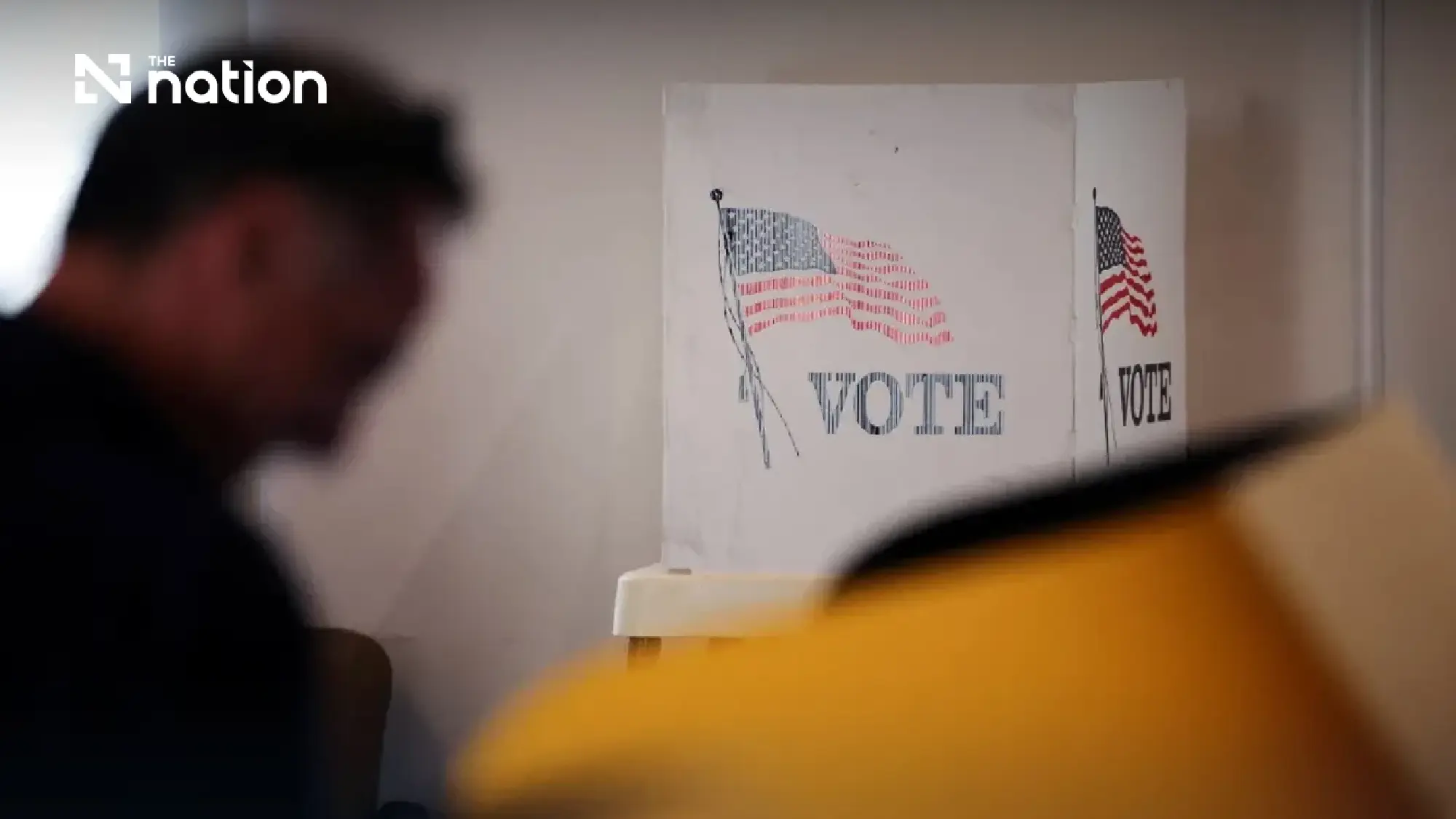
Nearly 40 million Americans had voted by post or in person through early voting by October 29, according to NBC News figures cited by CNA. Reuters estimated that more than 100 million people could vote if turnout resembled the 2022 midterms, when the US Election Assistance Commission recorded more than 112 million ballots.
Inflation, the cost of living, Trump’s immigration policies and the Iran war are among the issues driving Americans to vote, CNA reported.
Chong Ja Ian, an associate professor of political science at the National University of Singapore, said midterm elections generally serve as a measure of presidential performance, regardless of who occupies the White House.
Congress can restrict funding and investigate the presidency
Congress can constrain a president through its control over public spending and its powers to investigate the executive branch, Chong said. Those checks could make the second half of Trump’s term substantially different from the first.
The US government has three branches: the legislature, executive and judiciary. Congress forms the legislature, while the president and vice-president lead the executive; the separation of powers allows Congress to oversee and limit the administration.
“The clearest power is control over the budget and its approval. Congress can also summon executive officials to give truthful answers to its questions,” Chong said.
The Senate represents the interests of individual states and can approve or reject nominees for senior government positions. Chong said a Democratic House would provide some capacity to restrain Trump, with Democratic control of the Senate adding further checks.

Elvin Lim, professor of political science and dean of the College of Integrative Studies at Singapore Management University, said the parties were fighting over different forms of power.
“For Republicans, the stakes are Trump’s ability to govern during the final two years of his presidency. For Democrats, the stakes are their ability to check and balance his power,” Lim said.
Lim highlighted three powers that make control of the House particularly important:
- Public spending: The House shares Congress’s power over government funding. Revenue-raising bills must originate in the House, while spending legislation requires approval from both chambers.
- Investigations: The House can issue subpoenas and call administration officials and other relevant people to provide evidence and explain their actions.
- Impeachment: The House can initiate impeachment proceedings against the president as a constitutional check on the exercise of presidential power.
Democrats currently control neither chamber, and another failure to secure a majority would restrict their ability to advance their own policies and political agenda. The election will determine which party directs legislation, budget decisions and congressional oversight.
A Democratic House could delay, limit or block parts of Trump’s programme, Chen said, although the practical effect would depend on how far both parties were willing to use the political tools available to defend their interests.
Trump retains broad executive powers despite congressional checks
Trump would retain substantial authority over foreign policy, military action and tariffs even if Republicans lost control of Congress. Executive orders also allow presidents to pursue policies directly, although Congress can withhold, reduce or restrict the money needed to implement them.
House control would let Democrats scrutinise major spending legislation and hold hearings on Trump’s foreign policy, Chen said. A Democratic Senate could also block confirmation of his nominees for important national security positions.
Despite Congress’s formal powers, Trump would retain a much more influential public platform for expressing his views and promoting his agenda, Chen said.
Trump’s recent agreement allowing Russian diesel onto global markets illustrates the tensions between presidential action and congressional oversight. Republican and Democratic senators accused the administration of proceeding without consulting Congress and called for the decision to be reversed.
Opponents in both parties argued that the Russian energy agreement would provide President Vladimir Putin’s government with additional resources for its war without delivering benefits to Americans, CNA reported.
The Iran war could become another focus of congressional pressure. Chen said the conflict was deeply unpopular among Americans and that Democrats could use defence funding decisions to press Trump to end it if they won control of the House or Senate.
Asian stakes centre on constraints over US foreign policy
For Asian countries, the midterms are more likely to change the constraints on US foreign policy than to produce a fundamental change in its direction, Lim said. Foreign policy remains primarily the president’s responsibility.
Democratic control of the House could bring stronger opposition to Trump’s tariffs, Chen said, but the legal procedures used to introduce the measures had given them a firmer legal footing and made reversal more difficult.
Lim said a Democratic Congress would subject tariffs to closer scrutiny and stronger opposition, but a congressional majority alone would not guarantee their repeal.
“If the president vetoes legislation, Congress needs a two-thirds majority in both chambers to override that veto,” Lim said.
