
Iran details two-day US deal plan on Nov 2 after Doha talks
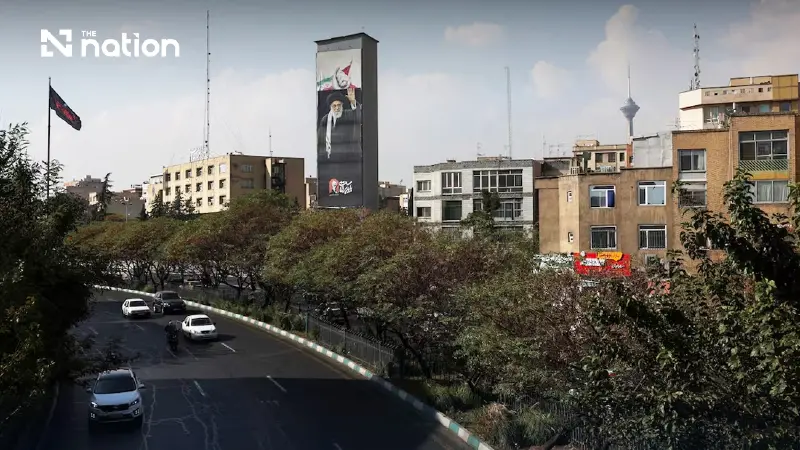


Iran links a proposed US deal to lifting the naval blockade and removing new sanctions, as Qatari mediators pursue talks in Tehran.
- On November 2, Iran detailed a two-day timetable for a proposed deal with the U.S. following indirect talks mediated by Qatar in Doha.
- The plan is a condensed version of a previous seven-step proposal, which Iran says can now be implemented within two days.
- Under the proposal, the U.S. would be required to end its blockade of Iranian ports, grant a waiver for Iranian oil sales, and cancel newly imposed sanctions.
- In exchange for the U.S. meeting these demands, Iran would reopen the Strait of Hormuz, with negotiations on other issues, including nuclear talks, to follow only after Iran's conditions are met.
Iran outlined a two-day timetable for a proposed agreement with the United States on November 2, 2026, while keeping indirect negotiations open. Talks with Qatari mediators in Doha had ended without a breakthrough in efforts to end the eight-month war.
Qatari mediators travelled to Tehran on the night of November 2 to meet Iranian Foreign Minister Abbas Araghchi over a draft US–Iran deal that had been under negotiation for eight days, an official briefed on the talks said.
Iran’s delegates left Doha on November 1, but their departure was not prompted by problems in the talks, an official briefed on the negotiations said. The official also confirmed that a draft US–Iran agreement was circulating, without giving details.
Araghchi described the consultations through mediators as intensive in comments carried by state news agency IRNA. Araghchi argued that Tehran had presented its conditions and proposals, and that “everything depends on the political rationality of Washington”.
Iran condenses seven-step proposal into two-day timetable
Iranian Foreign Ministry spokesperson Esmaeil Baqaei said Iran’s seven-step proposal, submitted in September, remained the basis for negotiations but could now be implemented within two days. Baqaei confirmed comments attributed to Araghchi on October 31 about shortening the timetable.
Under Iran’s proposal, the United States would end its blockade of Iranian ports, grant a waiver for Iranian oil sales and cancel newly imposed sanctions. Iran would reopen the Strait of Hormuz, with negotiations on other issues to follow.

Baqaei stressed that Iran’s proposed two-day timetable left its conditions unchanged: nuclear talks could resume only after Tehran verified that all its demands had been met. Asked whether transferring Iran’s highly enriched uranium abroad had been discussed or might be accepted, Baqaei answered no.
US President Donald Trump rejected Iran’s original seven-step proposal in September. Trump said on November 2 that Iran wanted an agreement and that a deal “could happen”, without providing further details.
Trump pledges no new Iran attacks before November 3 vote
Trump has repeatedly pledged not to launch new attacks on Iran before the November 3 US midterm elections. Iran has threatened a forceful response to any renewed assault, including strikes within and beyond the Middle East.
Iranian sources cited by Reuters considered another US attack more likely than an agreement. Oil prices fell almost 4% during trading on November 2 as hopes grew that mediation could produce a settlement.
The Iran war began with surprise US and Israeli attacks on February 28. Iran’s closure of the Strait of Hormuz, the US blockade of Iranian ports, Iranian missile and drone attacks on Gulf states and renewed fighting in Yemen have spread the conflict’s consequences across the region and the global economy.
China and Russia press for a diplomatic settlement
China and Russia called for diplomatic solutions on November 2 amid concern over renewed military action against Iran. Chinese Foreign Minister Wang Yi urged a political settlement after meeting senior Iranian security official Ali Bagheri Kani in Beijing.

China, a major buyer of Gulf energy, has stepped up its regional diplomacy, also hosting Oman’s Sultan Haitham bin Tarik. Oman lies on the southern side of the Strait of Hormuz.
Wang Yi also met Saudi national security adviser Musaed bin Mohammed al-Aiban in Beijing on November 2. China’s Foreign Ministry called for efforts to protect regional energy supplies and shipping routes.
Russia’s Foreign Ministry expressed deep concern over reports of further military action against Iran and urged stronger diplomatic efforts. Russian President Vladimir Putin spoke by telephone with Iran’s top security official Mohsen Rezaei on November 2, according to Iranian state media.
Qatari vessel operator Nakilat disclosed on November 1 that unidentified objects had struck one of its liquefied natural gas tankers in the Gulf on October 30.
Oil tankers have frequently come under attack in the Gulf and Red Sea during the Iran war, while strikes on liquefied natural gas carriers have been uncommon. The previous reported strike on a Qatari liquefied natural gas carrier was in early July.
