
Oil falls on Nov 18 as US crude stocks rise by 3.4m barrels
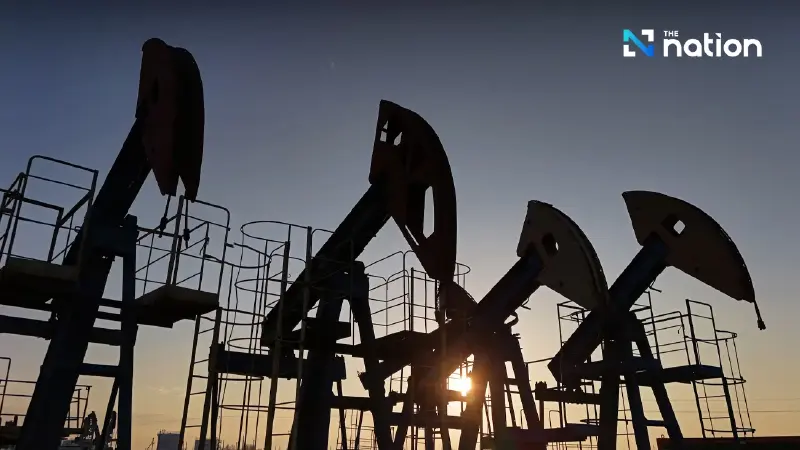


Brent fell to US$91.95 a barrel and US crude closed at US$83.26, its lowest since August 26, despite fresh attacks on shipping in the Strait of Hormuz.
- Oil prices fell on November 18, with US WTI crude dropping 3.2% to $83.26 a barrel and Brent crude declining 1.28% to $91.95.
- The price drop was driven by a 3.4 million barrel increase in US crude stocks, a figure that far exceeded analysts' forecasts of a 58,000-barrel rise.
- The sense of oversupply was strengthened by larger-than-expected increases in US fuel inventories, including a 5.2 million barrel rise in petrol stocks.
- Geopolitical risks, such as the war in Iran and attacks on shipping in the Strait of Hormuz, helped to limit the extent of the price declines.
US crude fell to its lowest close since August 26 on November 18, 2026, after a larger-than-expected rise in US crude and fuel stocks strengthened expectations that global oil supply would exceed demand. US West Texas Intermediate (WTI) futures fell US$2.75, or 3.2%, to US$83.26 a barrel. Brent crude fell US$1.19, or 1.28%, to US$91.95.
Both benchmarks recovered some ground before the close. WTI had been down more than US$4 a barrel during the session, while Brent had fallen by more than US$2. The war in Iran and the threat to shipping through the Strait of Hormuz helped limit the declines.
US crude stocks rise by 3.4 million barrels against a forecast of 58,000
US commercial crude stocks reached 417.8 million barrels in the week ending November 13, according to the US Energy Information Administration. The weekly rise of 3.4 million barrels far exceeded the 58,000 barrels forecast by analysts in a Reuters poll.
US petrol stocks rose by 5.2 million barrels to 215.9 million, more than three times the expected increase of 1.6 million barrels. Distillate stocks, which include diesel and heating oil, rose by 1.6 million barrels to 104.9 million, against a forecast rise of 1.3 million.
Analysts at Gelber & Associates said the inventory figures prompted fresh selling. Attacks on commercial shipping still threatened oil deliveries through Hormuz, they said, but those risks had “provided limited support against the growing expectation of a global surplus”.
US crude falls faster than Brent as export sales become less attractive
The price gap between Brent and WTI reached its widest in about two weeks on November 17, according to London Stock Exchange Group (LSEG) data. US crude then fell more sharply than Brent on November 18. Both benchmarks were on course to lose about 20% in November as Middle Eastern exports rose and shipping rates fell sharply.
June Goh, senior oil analyst at Sparta Commodities, said it had become uneconomic to ship WTI to Asia and north-west Europe. A further fall in the US price relative to Brent could make those sales profitable again. Goh said rising crude stocks on the US Gulf Coast were also widening the price gap.
Attacks on ships limit the recovery in Hormuz oil flows
Both oil benchmarks had risen on November 17 as attacks on ships in the Middle East intensified, even as Iran continued talks with mediators from Oman and Qatar. LSEG analysts said that day that alternative routes could help regional supplies recover, but vessel movements showed that oil shipments through Hormuz were still unable to return to normal.

ADNOC Logistics & Services of the United Arab Emirates said on November 18 that one crew member was missing and 11 were injured after an attack on one of its vessels in the strait the previous evening. In a separate incident on November 16, the crew of a liquefied petroleum gas tanker evacuated after a projectile hit the ship off Oman.
Iran said it attacked US drone and missile sites in Kuwait overnight after the US struck Qeshm Island in the Strait of Hormuz. It was Iran’s first reported attack on Kuwait, a US ally, since September. Bahrain, where the US Navy’s Fifth Fleet is based, said it had intercepted Iranian attacks.
Yemen’s Iran-aligned Houthis said on November 17 that they had launched five drones towards two pumping stations on Saudi Arabia’s East-West pipeline, which carries oil along a route that bypasses Hormuz. Two Western officials briefed by Saudi officials said Saudi Arabia was preparing for the conflict with the Houthis to last well into 2027.
US and Russian officials expected US President Donald Trump and Russian President Vladimir Putin to meet separately in China on November 19, in addition to a three-way meeting with Chinese President Xi Jinping. Trump’s envoys had stepped up efforts to end Russia’s war in Ukraine, with European leaders also expected to take part in discussions on post-war security guarantees and economic recovery.
