
US jury convicts Huawei on 10 counts in Iran case on 24 Nov
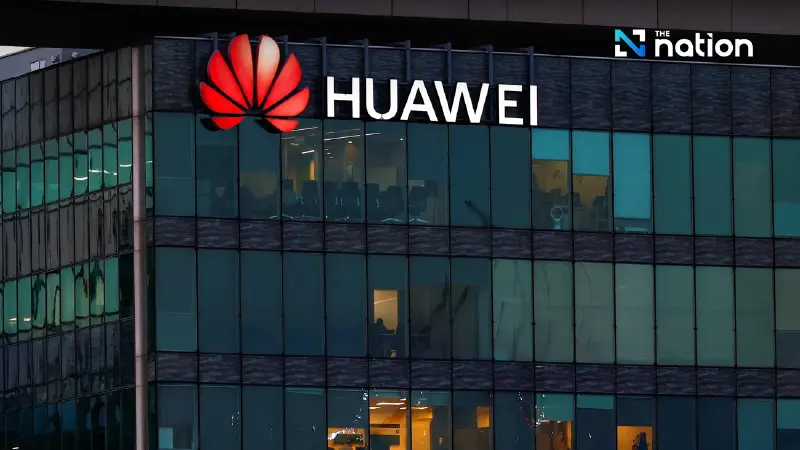


Brooklyn jurors convicted Huawei of fraud, Iran sanctions violations and conspiring to steal trade secrets, and acquitted it of racketeering conspiracy.
- A US federal jury convicted Huawei on 10 of 12 criminal counts on November 24, including deceiving banks about its business in Iran and violating US sanctions.
- The convictions for bank and wire fraud stemmed from Huawei misleading financial institutions, such as HSBC, about its control over a company operating in Iran to evade US sanctions.
- The verdict also found Huawei guilty of conspiring to steal trade secrets from several American companies, including Cisco Systems and T-Mobile.
- While convicted on 10 counts, the jury acquitted Huawei on two charges: racketeering conspiracy and conspiring to obstruct justice. The company has stated it plans to appeal the verdict.
A federal jury in Brooklyn, New York, found Huawei guilty on 10 of 12 criminal counts on 24 November 2026. Jurors convicted the Chinese telecommunications equipment maker of deceiving banks about its business in Iran, violating US sanctions and conspiring to steal trade secrets from American companies.
The verdict included convictions for bank fraud and wire fraud. Jurors acquitted Huawei of conspiring to obstruct justice and of racketeering conspiracy, the charge on which prosecutors alleged that the company had operated as a criminal enterprise.
US District Judge Ann Donnelly is due to sentence Huawei on 14 September 2027. The financial penalty remains unknown. Prosecutors called more than 60 witnesses during the 12-week trial, and the defence called 15.
Huawei expects to appeal
“We fully expect to appeal,” Huawei’s lawyer Brian Heberlig told reporters. He said the company was disappointed by the convictions but saw the racketeering acquittal as vindication of its approach to compliance. He said that acquittal could make a substantial difference to the penalty, although it was too early to put a figure on it.
In a statement on 25 November, Huawei disputed the legal and factual basis for the remaining charges. It said the five trade secret disputes cited by prosecutors had been resolved as civil matters and that no court had ordered it to pay damages for misappropriating trade secrets.
US Attorney Joseph Nocella said Huawei’s conduct over decades had endangered US national security, harmed American commerce and hampered law enforcement. China’s embassy in Washington did not immediately respond to Reuters’ request for comment.

How Huawei’s Iran business came under scrutiny
Reuters reports in 2012 and 2013 drew attention to Huawei’s ties to Skycom, a company operating in Iran. Prosecutor Meredith Arfa told jurors in closing arguments that the coverage prompted Huawei’s banks to ask questions of their own.
The 2018 indictment alleged that Huawei misled HSBC, Standard Chartered and BNP Paribas about its Iranian business. That December, Canadian authorities arrested Meng Wanzhou, Huawei’s chief financial officer and the daughter of its founder, on a US warrant. The arrest triggered a diplomatic crisis involving Canada, China and the United States.
US prosecutors had alleged in a sealed indictment that Meng misled an HSBC banker so Huawei could move dollars into and out of Iran despite US sanctions. After contesting extradition for nearly three years, Meng signed a deferred prosecution agreement in 2021 and returned to a public welcome in China. The charges against her were later dropped.
At Huawei’s trial, prosecutors presented Meng’s written acknowledgement that Huawei controlled Skycom and that her account of the relationship to HSBC in 2013 was misleading. The banker who met Meng that year testified. Meng did not take the stand. Huawei’s defence argued that the banks knew about its work in Iran and competed for its business.

What jurors heard about US trade secrets
In 2020, prosecutors expanded the case against Huawei, alleging a two-decade conspiracy to steal trade secrets. At trial, they accused Huawei of taking router source code from Cisco Systems and antenna technology from wireless company Quintel. They also alleged that Huawei hired a professor to gain access to a circuit board developed by semiconductor company CNEX.
Prosecutors showed jurors a video that they said depicted a Huawei employee slipping part of a T-Mobile testing robot into his backpack. They also described a Huawei engineer secretly photographing a device inside Fujitsu’s booth at a trade show.
Heberlig argued that prosecutors had selected a handful of unrelated incidents to make the case for a 20-year conspiracy. He attributed Huawei’s growth to its employees’ work, innovation and investment in research and development.
The US government placed Huawei on a trade blacklist in 2019 over national security concerns, restricting its access to American technology. Analysts cited by Reuters said the criminal case had done little to derail Huawei’s business as it diversified and became a major supplier in China’s push to develop artificial intelligence. The company employs more than 200,000 people and operates in about 170 countries.
