
Myanmar to defy parts of ICJ’s Rohingya genocide ruling
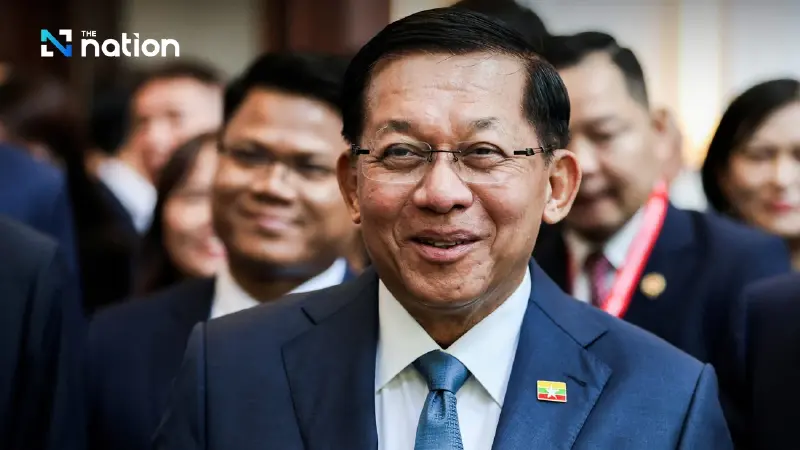


President Min Aung Hlaing says Myanmar will choose which ICJ orders to follow after judges ordered reparations for the Rohingya and a report within two years
- Myanmar's military-backed president, Min Aung Hlaing, has stated his government will refuse to carry out parts of the International Court of Justice (ICJ) ruling that it considers "inappropriate."
- The ICJ's final and binding judgment found Myanmar responsible for committing genocide against the Rohingya during its 2017 military operations.
- The court's orders include protecting the Rohingya, facilitating their safe return, prosecuting those responsible for the genocide, and reporting on reparations within two years.
- While announcing the defiance, Myanmar's leader did not specify which of the ICJ's orders his government would reject.
Myanmar’s military-backed president, Min Aung Hlaing, said his government would refuse to carry out measures it considered “inappropriate” after the International Court of Justice (ICJ) found Myanmar responsible for genocide against the Rohingya. He did not identify which orders he intended to reject.
Speaking at a cabinet meeting on Wednesday, 25 November, Min Aung Hlaing said the finding of genocide had damaged Myanmar’s reputation. The state-run Global New Light of Myanmar reported his remarks the following day. They were his first public comments on the judgment.
On 19 November, the ICJ ruled that Myanmar had committed genocide against the Rohingya during its military operations in northern Rakhine State in 2017. The Gambia brought the case in 2019. It was the first time the UN’s highest court had held a state responsible for committing genocide. The judgment is final and binding, though the court has limited means to enforce it.

What Myanmar must do for the Rohingya
The court ordered Myanmar to help displaced Rohingya return home safely and voluntarily and to reunite separated families. It must return or replace property lost or damaged, help families find missing relatives, provide physical and psychological rehabilitation to survivors, and protect the Rohingya from discrimination and persecution.
Myanmar must also end continuing breaches of the Genocide Convention and give guarantees against a recurrence. Judges ordered it to investigate anyone reasonably suspected of acts prohibited by the convention during the 2017 operations and, where the evidence warrants it, prosecute and punish those responsible.
Two years to report on reparations
Myanmar must compensate the Rohingya for harm that restitution cannot remedy. Within two years of the judgment, it must report to the court on the steps it has taken and propose an amount and arrangements for compensation. The judges will determine compensation in a later phase of the case.
Myanmar’s foreign ministry has maintained that security forces targeted an armed group in northern Rakhine State between 2016 and 2018. It denied genocidal intent and said the operations were limited in scope and lasted only days. The 2017 crackdown drove more than 730,000 Rohingya into neighbouring Bangladesh, which now hosts about 1.2 million Rohingya refugees.
