
US urged Venezuela and Iraq to consider leaving OPEC
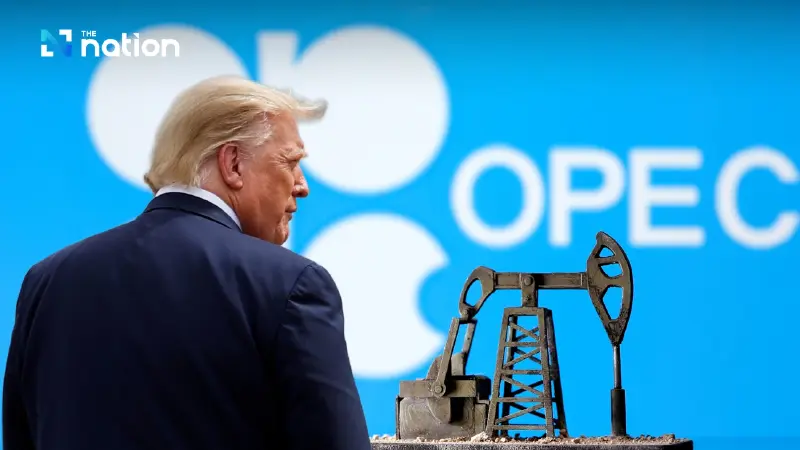


Saudi Arabia intervened over Venezuela, while Iraq is negotiating a higher oil quota. Both countries remain members of the group they helped found.
- The Trump administration urged Venezuela and Iraq to consider leaving OPEC to enable them to increase oil production and attract investment from US energy companies.
- US officials feared that OPEC's production limits would stand in the way of potential investments in both countries by American firms like Exxon Mobil and Chevron.
- Following US encouragement, Iraq's prime minister considered leaving but was persuaded to remain in OPEC and instead negotiate a higher production quota.
- The US stopped pressing Venezuela to leave after an intervention by Saudi Arabia's Crown Prince, though Washington did block Venezuela's annual membership payment.
- Despite the US pressure, both Venezuela and Iraq have remained members of the oil producers' group.
The Trump administration urged Venezuela and Iraq, two of OPEC’s five founding members, to consider leaving the oil producers’ group earlier this year, Reuters reported on 27 November, citing 10 people familiar with the matter.
Washington wanted both countries to pump more oil and attract investment from US energy companies. Some US officials feared that OPEC production limits could eventually stand in the way. Both countries remain members, and Iraq’s oil minister has since confirmed that Baghdad is negotiating a higher quota.
Saudi crown prince intervened over Venezuela
US officials discussed a possible OPEC exit with Venezuelan counterparts after the US ousted Nicolás Maduro in January. President Donald Trump wanted American oil companies to help revive Venezuelan production, arguing that this would strengthen energy security in the Western Hemisphere. Venezuela is currently exempt from OPEC+ output quotas.
Saudi Crown Prince Mohammed bin Salman persuaded the administration over the summer to stop pressing Caracas on membership, two sources told Reuters. In August, Trump said the decision was Venezuela’s to make.
Washington also blocked Venezuela’s annual OPEC membership payment of about €2.8 million, Reuters reported. The US State Department confirmed that it reviews requests to release Venezuelan government funds from a US-controlled account. It declined to say whether it had blocked the payment and said senior US officials had not raised withdrawal with Caracas. OPEC sources said the group had no plans to expel Venezuela over the unpaid fee.
Iraq seeks room to pump more oil
Iraqi Prime Minister Ali Faleh al-Zaidi raised the possibility of leaving OPEC at a government meeting after US officials encouraged the idea over the summer, sources told Reuters. At the time, Exxon Mobil and Chevron were planning major investments in Iraq. The oil ministry persuaded the prime minister to retain membership and seek a higher production ceiling.
On 27 November, Oil Minister Basim Mohammed Khudair confirmed that quota talks were under way. The US State Department said its discussions with Iraq had focused on energy infrastructure. Iraqi oil revenues still pass through an account at the Federal Reserve Bank of New York under an arrangement dating to 2003.
OPEC has 11 members after the departures of Qatar, Ecuador, Angola and the United Arab Emirates since 2019. The US, now the world’s largest oil producer, competes with the group for market share. Dan Alamariu, chief geopolitical strategist at Alpine Macro, told Reuters he saw a growing risk of further divisions.
