
Thailand’s zero-waste islands shape the future of sustainable travel
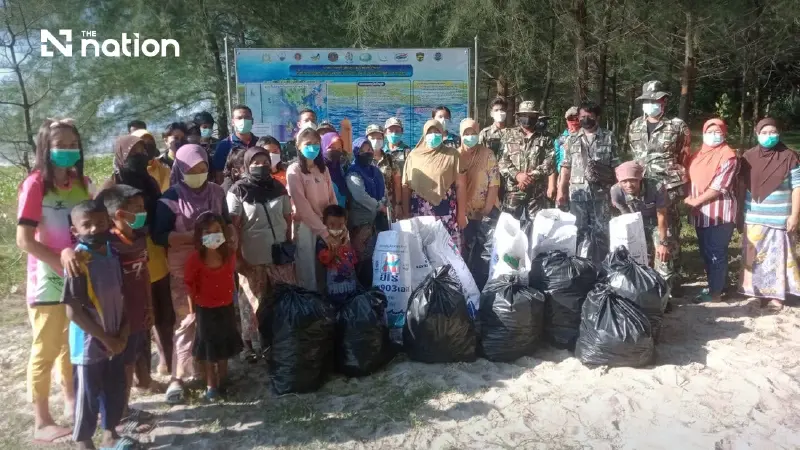


From Koh Samet to Koh Libong, Thai island communities are cutting single-use plastics, sorting waste at source and turning conservation into a new travel standard.
- A grassroots zero-waste movement is reshaping tourism on Thai islands like Koh Samet and Koh Libong, focusing on practical, community-led solutions.
- Projects are successfully using behavioral economics and public recognition to encourage waste sorting and recycling among residents and tourism businesses.
- The initiatives promote a shift away from single-use plastics towards natural materials and connect waste management to broader marine conservation goals.
- These local island efforts are supported by Thailand's national roadmap to reduce plastic waste and advance a circular economy.
Thailand’s islands have long sold the dream of clear waters, white sand and barefoot ease. Now, some of them are offering something more modern: the pleasure of arriving somewhere that is learning how not to drown in its own convenience.
From Koh Samet in Rayong to Koh Libong in Trang, a quiet zero-waste movement is reshaping what responsible Thai tourism can look like. It is not a glossy campaign imposed from a distant office, but a practical local shift built around sorted rubbish, reusable bags, natural materials and community pressure.

Koh Samet, which welcomes more than one million visitors a year, has become an important test bed for circular-economy thinking. A TDRI-backed project on the island worked with 140 households and 60 accommodation operators in a three-month field trial, using behavioural economics to encourage waste sorting at source.
The study found that simple tools, clear information and public recognition could significantly increase the separation of recyclable waste.
That matters because island waste is never just a housekeeping issue. Every unsorted bottle, foam box or plastic bag carries a cost — visual, ecological and logistical. Koh Samet’s lesson is that sustainability can begin with something modest but powerful: making the right behaviour easy, visible and socially valued.

Further south, Koh Libong has given the movement a distinctly community-led character. Trang’s “Zero Waste Islands in Trang” initiative promoted waste reduction, sorting, income generation from discarded materials and environmental awareness among residents, students and tourism communities. Local leaders also noted a shift away from foam and plastic towards natural materials, while visitors were using fewer plastic bags.
The island’s environmental story is tied closely to Trang’s wider marine conservation identity. The province’s PreZero Dugong project has focused on sustainable plastic-waste management, waste separation at source, value creation from plastic waste and reducing pollution that affects seagrass habitats and dugong conservation.

Thailand’s national roadmap gives these island experiments a broader framework, targeting reductions in single-use plastics such as thin plastic bags, foam food containers, plastic cups and straws, while pushing plastic waste towards the circular economy.
The result is not a perfect paradise, but something more interesting: a working model of coastal resilience. Thailand’s zero-waste islands show that the new luxury in tropical travel may be a beach kept beautiful not by chance, but by collective discipline.

