
What Does It Actually Take to Quit Drugs for Good



Why do people relapse even after they quit? This article breaks down, in plain terms, what real recovery actually requires plus how The Hills Rehab Chiang Mai puts it into practice.
A lot of people wonder why someone who quit drugs ends up using again a while later, even when they truly meant to stop. It can feel like proof that they didn't try hard enough, or that treatment simply doesn't work. But research tells a different story: addiction behaves like other chronic conditions relapse rates for drug addiction sit around 40–60%, which is actually similar to relapse rates for hypertension and asthma (50–70%) and type 1 diabetes (30–50%). In other words, a setback isn't proof of failure any more than it would be for someone managing diabetes.
The real question isn't "why did they relapse," it's "what actually lowers the odds of it happening." And here, the research is consistent: clearing the drug out of the body is only step one. What determines whether someone stays clean long-term is whether their mind and whatever originally pushed them toward drugs gets addressed too.
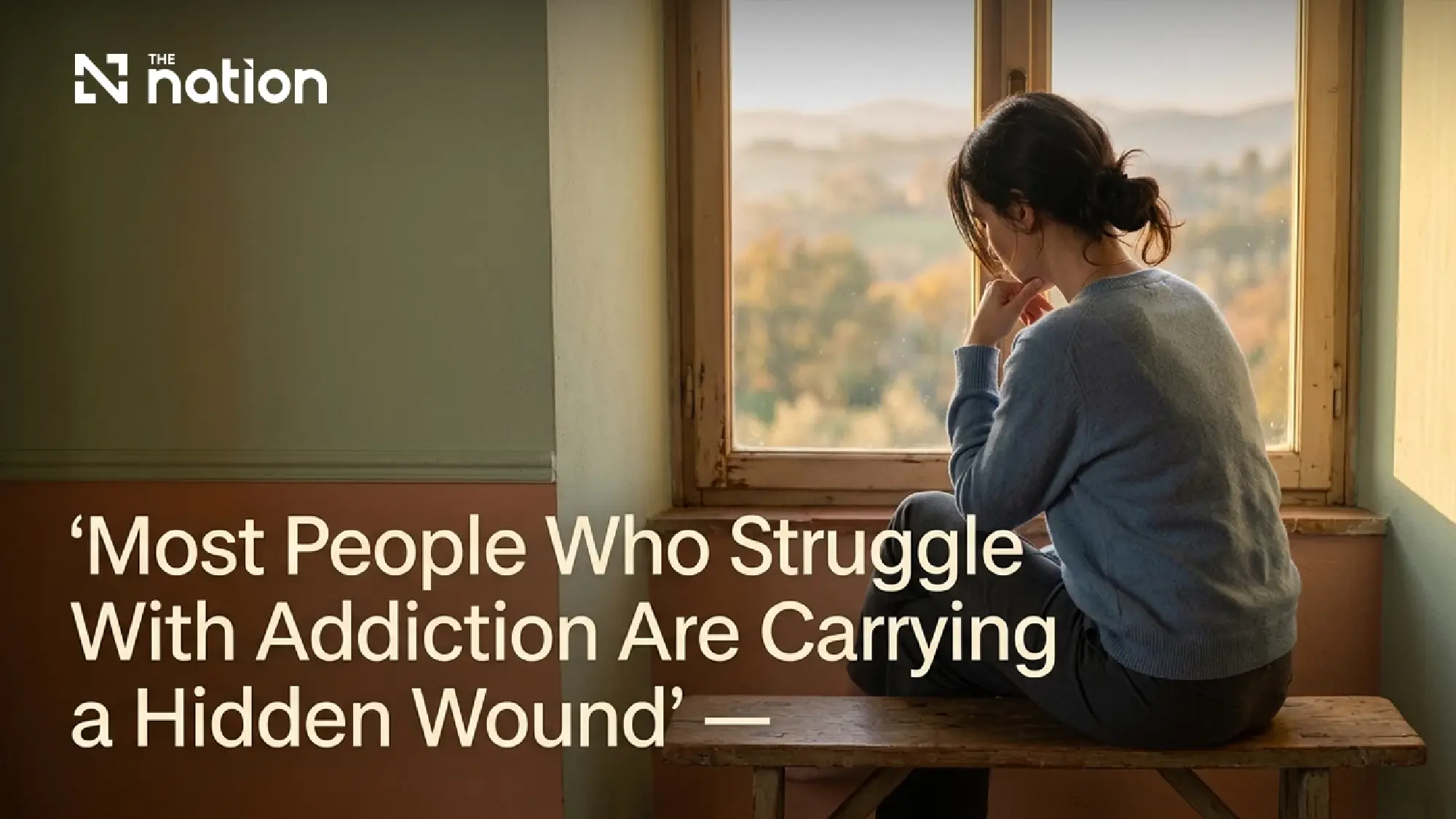

1. Most People Who Struggle With Addiction Are Carrying a Hidden Wound
Many people entering treatment have been through something painful before they ever touched a substance violence at home, the loss of someone close, abuse, or stress that built up for years with no one to talk to. For a lot of them, drugs weren't about chasing a high; they were a way to temporarily switch off pain that had nowhere else to go.
This is where an approach called Trauma-Informed Care matters. It rests on four simple principles: safety, trust, giving the patient a real say in their own care, and helping them feel capable of leading their own recovery rather than just following orders. Centers that build their programs around this don't rush someone to "tell their story" or treat a relapse as a discipline problem they build trust first.
The evidence behind this isn't just theory. A 2024 review of 15 separate studies, published in the Community Mental Health Journal, found that treatment centers using this trauma-informed approach saw lower relapse rates, fewer lingering trauma symptoms, longer treatment retention, and higher satisfaction reported by both patients and the staff treating them.
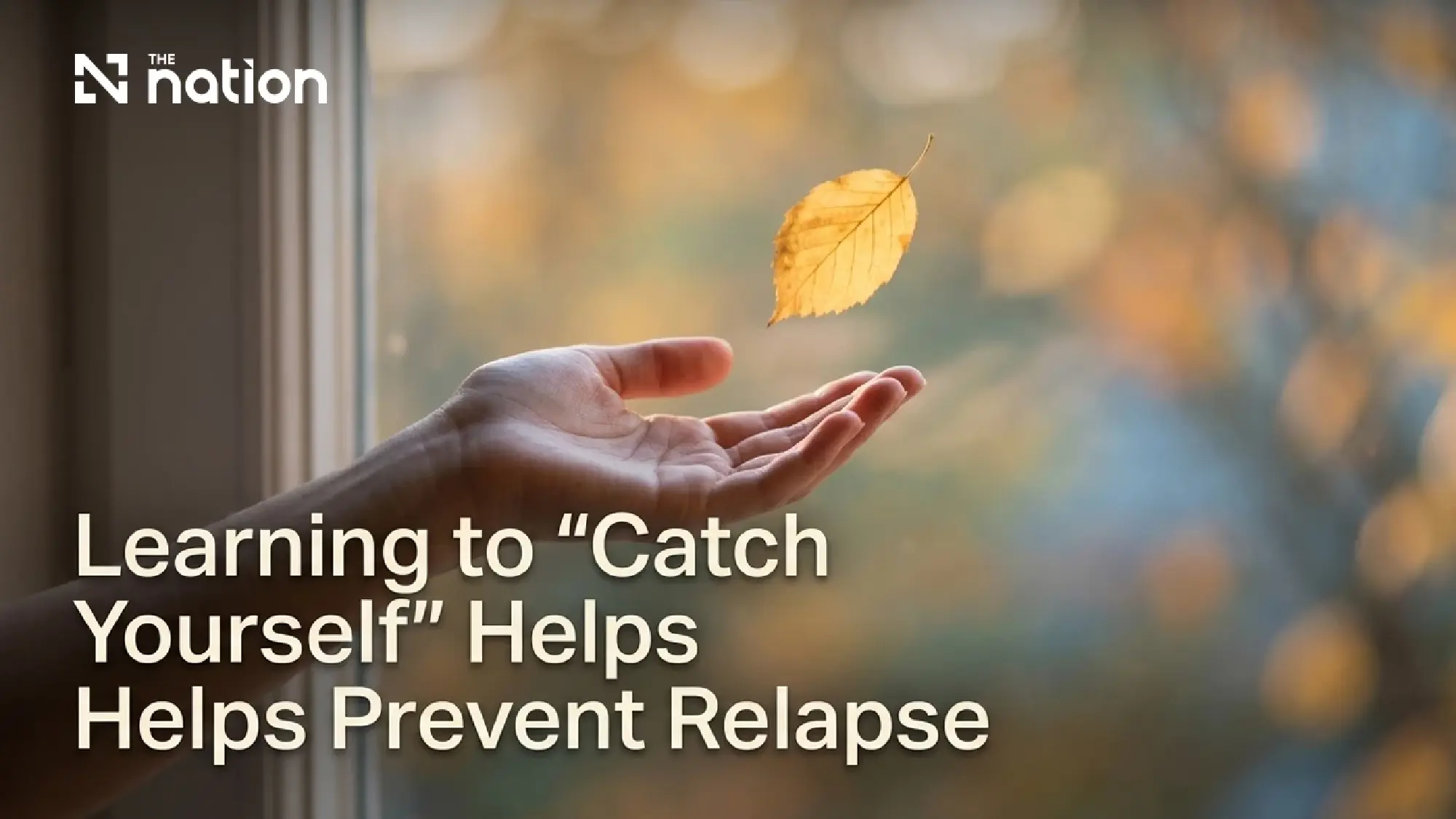

2. Learning to "Catch Yourself" Helps Prevent Relapse
Another well-studied approach pairs mindfulness training with Cognitive Behavioral Therapy (CBT) sometimes called Mindfulness-Based Relapse Prevention (MBRP). It sounds abstract, but in practice it's very concrete: training someone to notice, in real time, exactly what's happening right before the urge to use hits a stressful phone call, loneliness on a Friday night, walking past a specific place, an old friend texting. Once that moment is visible, there's a window to choose a different response instead of reacting on autopilot.
Clinical trials testing this approach including studies with people in treatment for alcohol use disorder and veterans in aftercare programs found measurably lower relapse rates among those who learned these skills compared to people who received standard treatment alone. The skill isn't willpower; it's catching the moment early enough to have a choice at all.

3. If There's a Mental Health Issue Too, Both Need Treating Together
This is a bigger issue than most people realize. According to U.S. federal data (NIDA, 2023 National Survey on Drug Use and Health), about 35% of adults with another mental health condition depression, anxiety, PTSD also have a substance use disorder. When both exist together, symptoms tend to be more severe, more persistent, and harder to treat than either condition alone.
That means treating the addiction while ignoring the anxiety or depression underneath it usually doesn't hold. Someone gets clean, the untreated mental health condition doesn't improve, and eventually it becomes the very thing that pulls them back toward using again. Real, lasting recovery needs a team that can treat both at the same time, not in sequence.

How The Hills Rehab Chiang Mai Puts This Into Practice
The Hills Rehab builds its program directly around this evidence one-on-one psychotherapy to work through what's underneath the addiction, group therapy for connection and accountability, mindfulness and relapse-prevention training, and ongoing mental health care for anything running alongside the addiction, all delivered together rather than as separate tracks. It all happens in a calm, private, natural setting in Chiang Mai, designed to give people the safety they need before real healing can start.
The goal isn't just getting someone through detox. It's giving them a recovery that actually holds so they're not back at day one, again, six months from now.
