
Russia and Thailand seek new healthcare industry partnerships
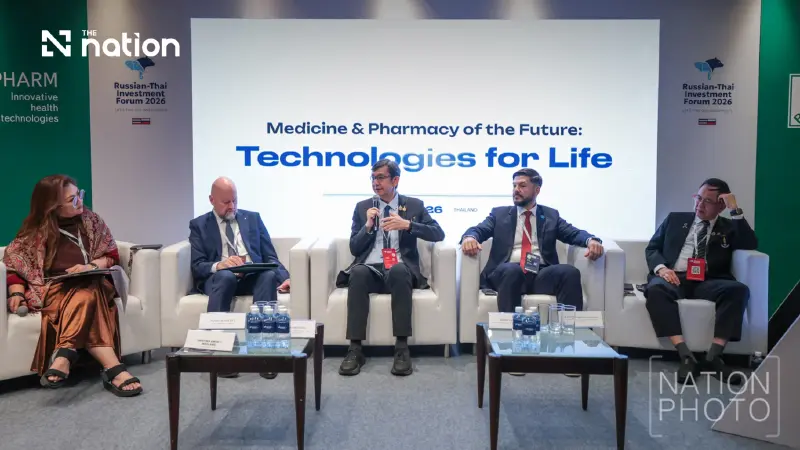


Russia and Thailand see openings for joint pharmaceutical production, vaccine research, medical devices and genomics, but costs and regulatory barriers remain.
- Russia and Thailand are exploring partnerships in pharmaceuticals, vaccine development, precision medicine, and medical technology to strengthen Thailand's healthcare sector.
- Key areas for potential cooperation include joint clinical research, cancer treatment, genomics, and the development of medical equipment.
- Thailand is promoting its Eastern Economic Corridor as a destination for Russian investment, offering tax incentives and access to its genomic database for research.
- Major challenges to successful collaboration include the high cost of innovative medicines and navigating complex regulatory approvals across Southeast Asian markets.
Russia and Thailand have significant opportunities to build partnerships in pharmaceuticals, vaccine development, precision medicine and medical technology, potentially strengthening Thailand’s healthcare industry and expanding access to advanced treatments across Southeast Asia.
However, turning scientific innovation into viable joint ventures will require affordable products, regulatory cooperation, technology transfer and stronger links between researchers, manufacturers and healthcare providers.
These opportunities and challenges were discussed during the “Medicine & Pharmacy of the Future: Technologies for Life” session at the Russian-Thai Investment Forum 2026, held at the Royal Orchid Sheraton Riverside Hotel Bangkok on Saturday (October 31).
The discussion highlighted several potential areas of cooperation, including joint clinical research, pharmaceutical manufacturing, cancer treatment, medical equipment and genomics.

Balancing medical innovation with affordability
Vasiliy Ignatiev, CEO of R-Pharm Group, identified the rising cost of innovative medicines as a major challenge for healthcare systems, particularly as treatments become increasingly targeted and personalised.
He argued that balancing expensive innovations with more affordable generic medicines and biosimilars would help countries expand access to treatment while managing healthcare expenditure.
R-Pharm, which operates in specialist pharmaceuticals and hospital treatments, has been expanding its international presence, including in Southeast Asia.
Ignatiev outlined several possible approaches to entering Thailand, ranging from direct pharmaceutical exports and local licensing agreements to technology transfer and eventual domestic manufacturing.
The appropriate model would depend on market demand, regulatory requirements and the availability of suitable local partners.
Dr Nakorn Premsri, director of Thailand’s National Vaccine Institute under the Ministry of Public Health, identified vaccine security as another important area for international cooperation.
He explained that Thailand was building capacity across vaccine research, clinical trials and manufacturing, although domestic production capabilities remained limited.
The institute provides funding for research and development, preclinical studies, clinical trials and technology transfer. Cooperation with international partners, including Russian companies, could strengthen vaccine development and improve preparedness for future health emergencies.
Nakorn also highlighted the potential of emerging vaccine technologies, including therapeutic applications, while emphasising the importance of international research collaboration.
Genomics and medical technology offer new opportunities
Aphitchaya Srikacha, director of the Service and Medical Industries Division at the Eastern Economic Corridor Office (EECO), presented Thailand’s Eastern Economic Corridor (EEC) as a potential destination for Russian investment.
Its healthcare priorities include pharmaceutical products, active pharmaceutical ingredients, vaccines, medical devices, specialised hospitals, rehabilitation services, wellness businesses and clinical research.
She highlighted Thailand’s database of 50,000 sequenced human genomes as an opportunity for cooperation in precision medicine.
Russian companies interested in genomics or oncology research could collaborate with Thai research institutions, with the Health Systems Research Institute facilitating access under established research protocols and data-governance requirements.
Commercial applications would require appropriate arrangements and compliance with relevant conditions.
Aphitchaya added that EECO could coordinate with government agencies to support projects where Thai and Russian partners identify shared commercial interests.
Eligible EEC investments may receive corporate income tax exemptions of up to 15 years, depending on project qualifications, alongside non-tax incentives and assistance with business licensing.
Thiti Samuthrat, director of Genolife Services and assistant hospital director at Bangkok Hospital Phuket, described how genomic profiling and artificial intelligence are being integrated into cancer screening and personalised treatment.
He outlined applications including AI-assisted mammography, lung screening, skin cancer detection and colonoscopy, alongside genetic information used to guide treatment decisions.
He also highlighted advanced cancer therapies, including CAR-T cell treatment, as part of Thailand’s developing medical capabilities.
Dr Somjate Manipalviratn, chief medical officer at Jetanin Hospital and a reproductive medicine specialist, emphasised the growing role of genetic carrier screening.
He explained that reproductive medicine was moving beyond infertility treatment towards identifying inherited disease risks before pregnancy, creating wider opportunities for preventive and personalised healthcare.
Russian medical equipment manufacturers also presented technologies with potential applications in Thailand.
Vadim Tychkin, international business sales director at VPG LaserOne, outlined medical laser technologies used in urology, kidney stone treatment and other procedures.
Evgeny Bugorskiy, CEO of Almatek LLC and chief physician and neurologist at Rehaline Rehabilitation Center, discussed rehabilitation technologies and neurological stimulation.
Waraphon Phimpraphai, dean of Kasetsart University’s Faculty of Veterinary Medicine, highlighted opportunities in advanced veterinary treatment, animal healthcare research and emerging medical technologies, including cell therapy.

Regulatory barriers remain a major challenge
Despite the commercial potential, speakers identified regulatory requirements as a significant obstacle to expanding medical and pharmaceutical businesses across Southeast Asia.
Kritsada Limpananont, deputy director of the Medicines Regulation Division at the Thai Food and Drug Administration, highlighted Thailand’s efforts to improve electronic regulatory submissions and align pharmaceutical information with international standards.
He also discussed regional cooperation on pharmaceutical regulation and manufacturing quality.
However, approval in one ASEAN country does not automatically authorise a medicine for sale throughout the region. Although ASEAN has developed joint assessment procedures, individual national regulators retain responsibility for final product approvals.
Joe Tilaka, chairman of the advisory team and committee of the Medical Device Manufacturers Industry Club under the Federation of Thai Industries, stressed the importance of addressing these regulatory differences.
He explained that Thailand already has manufacturing capabilities and international supply-chain experience that could support Russian medical technology companies seeking regional partners.
Nevertheless, obtaining separate approvals across ASEAN markets remains costly and time-consuming. Greater regulatory recognition and cooperation could help manufacturers reduce duplication and expand access to regional markets.
Dr Porntep Siriwanarangsun, president of the Preventive Medicine Association of Thailand, identified additional challenges surrounding advanced therapy medicinal products, including cell and gene therapies.
He discussed Thailand’s regulatory sandbox approach, focusing on product registration, market access, reimbursement, manufacturing standards and quality control.
Porntep also emphasised preventive medicine and lifestyle interventions as important responses to non-communicable diseases, creating opportunities beyond conventional pharmaceutical treatment.
Denis Sapegin, CEO of Siberian Wellness’s Southeast Asia cluster, similarly highlighted commercial opportunities in preventive health and wellness products, particularly as consumers increasingly focus on maintaining health throughout their lives.
From discussions to concrete partnerships
The panel demonstrated how Russian pharmaceutical research and medical technologies could complement Thailand’s healthcare services, clinical expertise, research infrastructure and manufacturing capabilities.
Potential cooperation spans drug development, vaccines, cancer care, medical devices, genomics and preventive healthcare.
However, progress will depend on identifying commercially viable projects, securing regulatory approvals, developing local partnerships and ensuring that innovative treatments remain accessible.
Closing the discussion, Ignatiev called for a stronger focus on practical results, expressing the hope that the next Russian-Thai Investment Forum would be an opportunity to report concrete achievements rather than simply discuss future possibilities.
