
Both sides of FTI rift urge compromise; separate meet
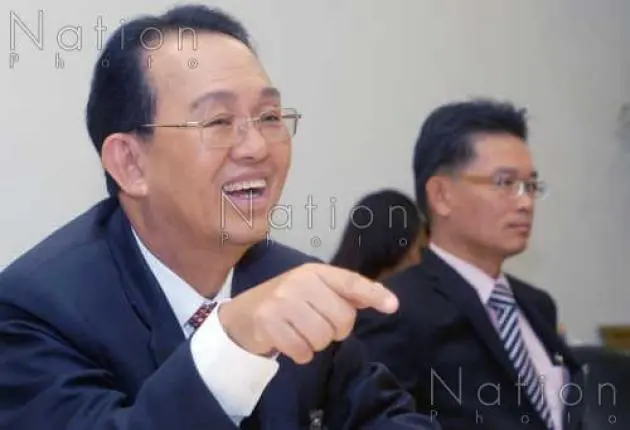


The internal conflict at the Federation of Thai Industries could end soon, as there have been some good signs of the two sides coming to a compromise. However, the opposing camps are going ahead with separate monthly ordinary meetings today.
“We welcome all members to participate in our monthly ordinary meeting as usual,” said FTI vice chairman Vallop Vitanakorn. “We are not rallying to attract enough members to make a quorum over the other side. We are always open for negotiations with them [the breakaway group], as they have not been dismissed” from the federation.
The meeting today will consider general issues including assistance measures from the government to help small and medium-sized enterprises weather the effects of the minimum-wage increase and the problem of illegal labour, he said. However, if there is not a quorum, the consideration of serious issues will be postponed to the next meeting, he stressed.
Under FTI regulations, a quorum of 50 per cent of the committee’s 348 members is required for consideration of any issue.
FTI chairman Payungsak Chartsutipol will head the meeting at Queen Sirikit National Convention Centre in Bangkok, where the federation’s office is located, and the other side led by Tanit Sorat, secretary-general of the unofficial FTI administration, will meet at Dusit Thani Hotel.
Payungsak said in an interview with Nation Multimedia Group that his committee wanted to end the conflict as quickly as possible and hoped to restore the organisation’s image immediately, particularly with the public at large and SMEs in the provinces.
“We will strive for better understanding of those SMEs and create more development programmes for SMEs to help them survive after the wage increase and for sustainable development,” Payungsak said.
The minimum wage is to rise to Bt300 a day nationwide next month, and some business lobbyists have complained that many SMEs will not be able to cope without government assistance.
Last Friday, Tanit said via the FM 101 radio channel that he would like to apologise to all FTI members for the problems within the organisation. He also urged both sides to step back, jointly consider the conflict and resume cooperation.
However, Payungsak’s opponents have alleged that he has been only concerned with the benefits of big companies rather than those of SMEs.
Vallop said some members had been misled at the ordinary meeting held on November 26 so that the anti-Payungsak faction won a vote for a new chairman to replace him.
Payungsak said the FTI had continued its investigation into recent rumours of corruption within its branch in Lop Buri on upgrading skilled labour after last year’s flood disaster. The case has been considered one of the factors behind the FTI’s internal conflict. The investigation is proceeding and will expand to five other provinces in the Central region.
“We can’t accept or allow corruption to occur in our organisation,” said Payungsak. He set up a committee to investigate the case in September.
Moreover, Payungsak said he had been working closely with the government on assistance measures to help SMEs in the 70 provinces that will be affected by the minimum-wage increase next month.
The FTI proposal, which is being considered by the Finance Ministry, would compensate SMEs for the differential between the old and new wage rates. In the first year, the government would compensate 75 per cent of the differential, 50 per cent in the second, and 25 per cent in the third, after which businesses would be on their own. So, for example, if a business is currently paying its workers only Bt200 a day, it will have to find another Bt100 to meet the Bt300 minimum, and the government would provide Bt75 of that in the first year, and so forth.
