
Chairman of troubled SME Bank plans to raise Bt100 bn in fresh funds


Play
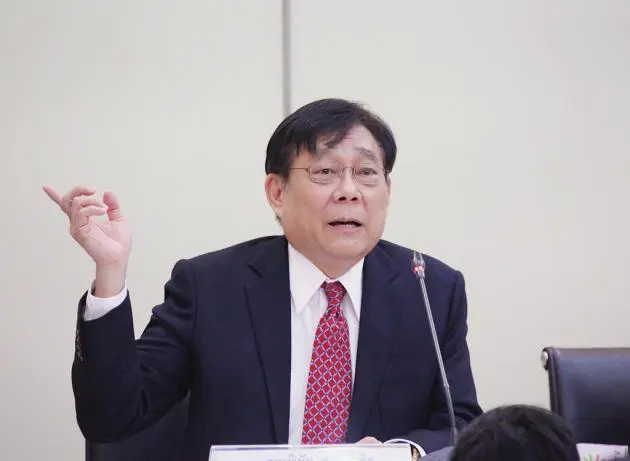
Pichai Chunhavjira, chairman of the board of executive directors of the Small and Medium Enterprise Development Bank of Thailand, proposes raising Bt100 billion in fresh funds as part of his comprehensive plan to be submitted for consideration by the Fina
Pichai said SME Bank was burdened by Bt32 billion worth of non-performing loans, or 33 per cent of outstanding loans. The amount of bad debt could rise as high as Bt39 billion as holders of another Bt7 billion are expected to default, he said.
Over the past four months of bank rehabilitation, he said he was able reduce NPLs by between Bt2.6 billion and Bt2.7 billion.
He plans to cut NPLs by Bt10 billion this year by negotiating with debtors. He has restructured debts for about 100 large customers, and shortly he is to talk with retail borrowers.
“We aim to cut down NPLs as much as possible by debt restructuring, then we will employ the last resort of selling bad debt to asset-management companies.”
He said one of the problems SME Bank faced was its high cost of funding, at about 3 per cent, while it lent at low interest rates of around 5 per cent. With the bank’s operating cost at about 1.7 per cent, it could not make any profit from this business model.
He said the bank depended largely for its funding on some large state enterprises depositing their money with SME Bank, along with fresh funds from the Finance Ministry. But as deposits by state enterprises are not long-term, the cost was relatively high. It also created a mismatch between short-term deposits and longer-term lending. SME Bank is a small institution that cannot depend on lower funding costs from retail depositors.
To solve its funding issue, the bank needs new sources of money, such as long-term debentures with maturity of three to seven years and worth Bt50 billion, Pichai said. He also plans to issue subordinated shares worth Bt40 billion for sale to institutional investors. Combining these amounts with Bt2 billion more in fresh funds from the Finance Ministry and short-term deposits, the bank should have liquidity of about Bt100 billion, he said.
Lately the Finance Ministry has given the bank Bt555 million. Outstanding loans by the end of this year are expected to be between Bt102 billion and Bt103 billion, up from the current Bt90 billion. In the next five years total lending should reach Bt150 billion if the bank can mobilise funds worth Bt100 billion by the end of this year, he said.
The bank will also start to increase its lending interest rate to an average of 7 per cent from the previous 5 per cent per annum. This should provide an additional weapon for the bank to solve its troubles.
Pichai also plans to increase the proportion of retail borrowers to 80 per cent from the current 60 per cent. Each retail borrower would not get loans exceeding Bt20 million, while large borrowers could get as much as Bt500 million.
He said he would freeze the bank’s staff at 1,732 to cut operating costs, while loan officers will be retrained to make sure they make wise decisions. Borrowers are also expected to get faster loan approvals, he stressed.
A new president of SME Bank is expected to be appointed by the recruiting committee this month, he said.
Pichai admitted that it would be very hard to revive SME Bank in a few years because of the inflexibility of laws and regulations governing state enterprises. For example, you cannot fire staff easily, he said.
“The bottom line is that there is no sense of ownership, so nobody cares much about the financial health of state enterprises,” he said.
Even if he could rescue the bank, this achievement might not be sustained because of such limitations, Pichai said, recalling his previous experience in restructuring the business of Thai Airways International.
