
Biz Buzz


Play
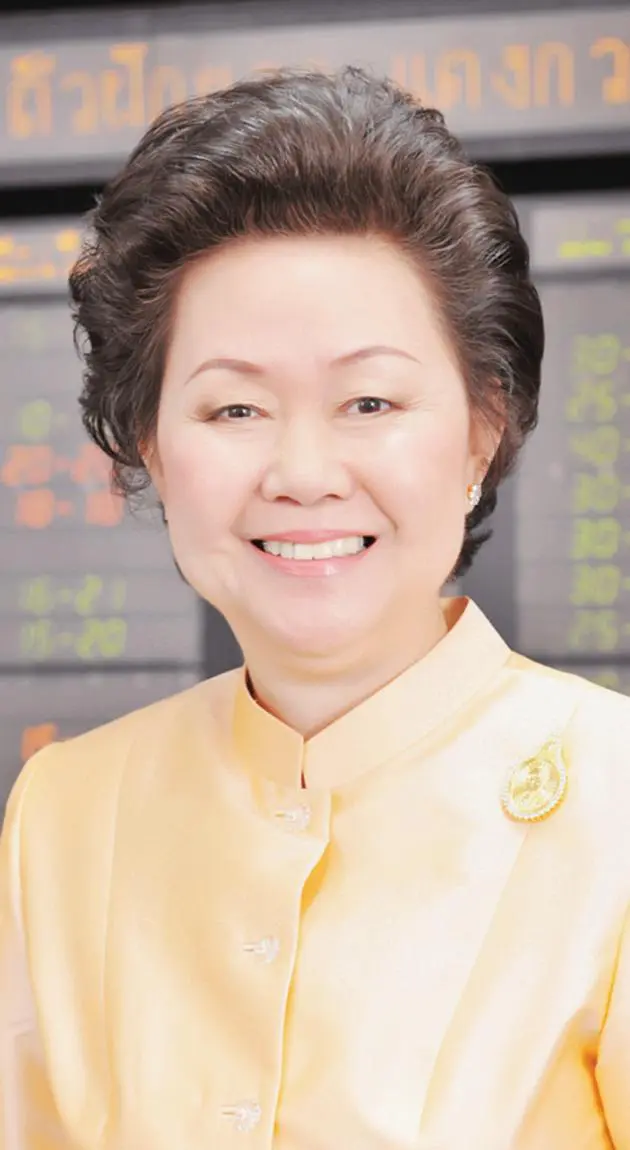
For Vatchari, peaceful retirement will come soon
It must be a heartfelt moment for Commerce permanent secretary Vatchari Vomooktayon when she retires at the end of this month.
Having been a civil servant with the Commerce Ministry for more than three decades, she is to leave all that behind.
Vatchari seems to know that her life will be less hectic, and a lot less pressure is expected.
In the first week of her last month in office, she looked relaxed. She was ready to answer every question from reporters.
During a press conference on August inflation figures, Vatchari remained with the reporters longer than usual. She even told them to ask her more questions. This question-and-answer session was the longest since she took over the post of permanent secretary.
Normally, she was the first to leave the press-conference room. This time, it was reporters who rushed out, as they had to send their news to their offices.
It was probably this extended conversation that led her to say, “It’s just a perception that goods are expensive.” Well, she got a huge number of fans for that.
It is unclear whether the threat revealed last week against the long-time civil servant worried her. It should not. After just three more weeks, she will enjoy real peace of mind for a long, long time.
At CNBC, every minute counts
Every businessman or woman ever invited to a CNBC function knows that punctuality is essential. The doors are closed five minutes before the taping starts and no matter who you are, you have to wait outside if you’re late. And during the taping, anchors need to honour their own time limitations.
This explains why anchor Martin Soong gestured to stop Alisher Ali, managing partner of Silk Road Management and founder of Silk Road Finance, when the latter started talking about a trip to Myanmar last year with his family. Ali was quick to say that because of the trip, he learned how good schooling is in high demand for foreigners. Currently, the American International School in Yangon is completely full, and it seems a good idea to start a greenfield school for expats’ children.
As every minute counts, PTT – one of the co-hosts – should be pleased that its name was repeated nearly 10 times during the half-day event. As this will air in three episodes, it seems the sponsorship is worthwhile – maybe better than throwing money into advertising.
High savings rates ancient history
Shortly after the 1997 financial crisis, the few Thais who had savings accounts enjoyed double-digit interest rates. Nakornthon Bank, which later became Standard Chartered Bank (Thai), in 1998 offered a three-month fixed rate of 14 per cent for deposits below Bt1 million. For larger amounts, savers enjoyed 14.5 per cent.
For savers, it is a heartbreaking moment right now. Thailand’s savings rate is now as low as 0.75 per cent. Fixed deposits? Mostly, they are below 5 per cent.
Will that heyday return?
Pongpen Ruengvirayudh, deputy governor for monetary stability at the Bank of Thailand, flatly said no.
At a Sasin Graduate Institute of Business Administration seminar last week, she explained that all depended on inflation. Under its inflation-targeting regime, only when consumer prices rise above the inflation target will the Bank of Thailand move to raise its policy interest rate.
In the first eight months of this year, the inflation rate has been well below 3 per cent, and with the subdued economic outlook there is no possibility it can rise above 3 per cent soon, despite the increases in the cooking-gas price, expressway tolls and fuel tariffs on electricity.
Pongpen said that for this reason, Thais should look for better returns elsewhere. “That is why we encourage Thais who want a better return to go overseas” to invest, she said.
As if to give more weight to her words, she said that from now until the day she dies, she doesn’t expect a double-digit deposit interest rate to return.
