
Kittiratt concerned over impacts from prolonged protests


Play
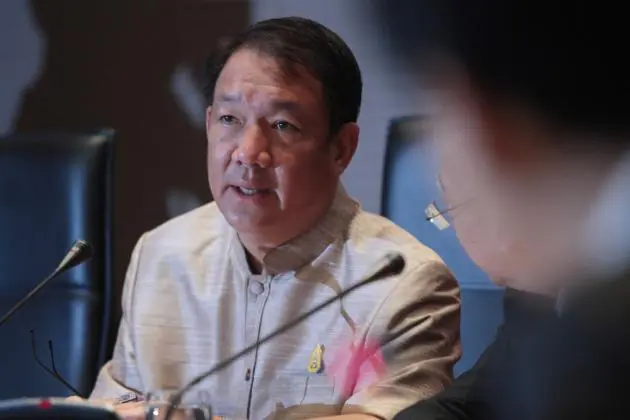
Deputy Prime Minister and Finance Minister Kittiratt Na-Ranong expressed concerns over the near-term economic impacts from a prolonged protest.
He said that the government operations are being disrupted.
"Political protests are granted by law, but seizing government offices is another issue. Some foreign investors have expressed concerns, but they are not too worried as they still believe in the growth outlook in 2014. Though, this requires cooperation from the public and private sectors," he said.
He noted that political instability has been a major factor that block rating agencies from upgrading Thailand's credit rating.
The poorer-than-expected economic indicators in the third quarter this week encouraged the Bank of Thailand to cut the policy rate from 2.5 per cent to 2.25 per cent.
Though this could prompt capital outflows and weaken the Thai baht against dollar, Kittiratt said he is not worried about that. Parts of the recent inflows were not here for long-term gains, and there is no damage if they leave the country.
He said that the recent weakening of the baht is supportive to the fragile export sector.
