
Inheritance tax 'not enough'


Play
The proposed inheritance tax might not be an effective enough tool to narrow income disparity, so other measures are needed if the government wants to ensure a more equitable distribution of wealth in society, a seminar was told.
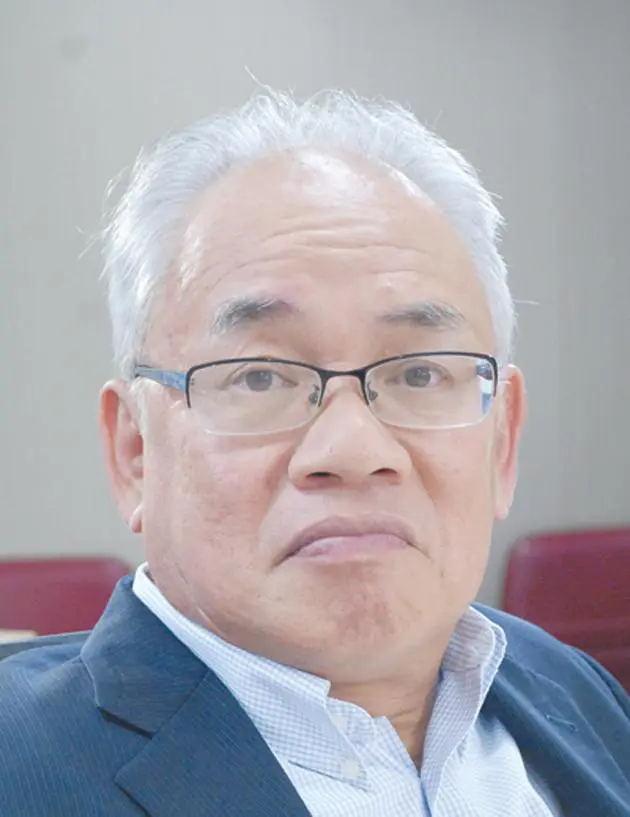
Bandid Nijathaworn, president and chief executive officer of the Thai Institute of Directors Association, said the tax should be implemented but it alone might not be enough to bridge the income gap. Other taxes and fiscal measures are also needed to make it much more effective.
If the government really wants to use the inheritance tax as an income-levelling tool, the rate should be lower than the proposed 10 per cent.
The threshold of net asset value that will be subject to tax should be higher than the proposed Bt50 million, he said. It should be raised to about Bt100 million so as not to put too much of a burden on middle-income people.
In parallel, personal income-tax rates should be eased to encourage people to work and to compensate those subjected to paying inheritance tax in a balanced way, he added.
The seminar on the inheritance tax was hosted by the Sasin Centre for Sustainability, Sasin Alumni Association, Social Venture Network and Net Impact Bangkok Professional Chapter.
The draft levies a tax of 10 per cent on estates of more than Bt50 million.
In economic terms, reducing the disparity via tax tools would not be successful if the economic structure still favours the disparity, Bandid said. The government should focus on fiscal policy by spending to create opportunities for people to access jobs and loans. This would help them build wealth and narrow income disparity.
In practice, collecting this tax might not be so easy, since some wealthy people, who are the real target, could afford to have long-term plans to avoid tax, resulting in ineffective revenue collection and the failure to narrow disparity.
The inheritance tax might dilute the inspiration of young entrepreneurs to accumulate assets and these people are not the real target of the tax, he added.
Chermsak Pinthong, a member of the National Reform Council, wondered if this tax was worth having, noting the possible high cost of collection and management. It also might not ultimately help narrow disparity and it might result in double taxation.
Other tax tools and measures need to be implemented along with such a tax to ensure that the government could reduce disparity.
Sirikanya Tansakun, research manager for the Thailand Future Foundation, said that according to the foundation's survey of 45 economies, only 13 have an inheritance tax at present, including the United Kingdom, the United States, Japan and the Philippines.
Of the 45 jurisdictions surveyed, 12 used to have an inheritance tax but have revoked it, such as Canada, Russia, Norway, Hong Kong and Singapore. Some of them cancelled the tax because of the high cost of managing collections. Norway scrapped the tax to reduce the burden of people in transferring family businesses to younger generations. Canada has replaced it with a capital-gains tax.
Imposing an inheritance tax might change people’s behaviour by driving them to move assets out of the country or buy other assets that are not subject to the tax.
The inheritance tax alone might not be enough to narrow disparity on a sustainable basis, Sirikanya said. The government should employ other tools too, such as spending to create equal opportunities for people.
