
Junta adviser argues against economic stimulus
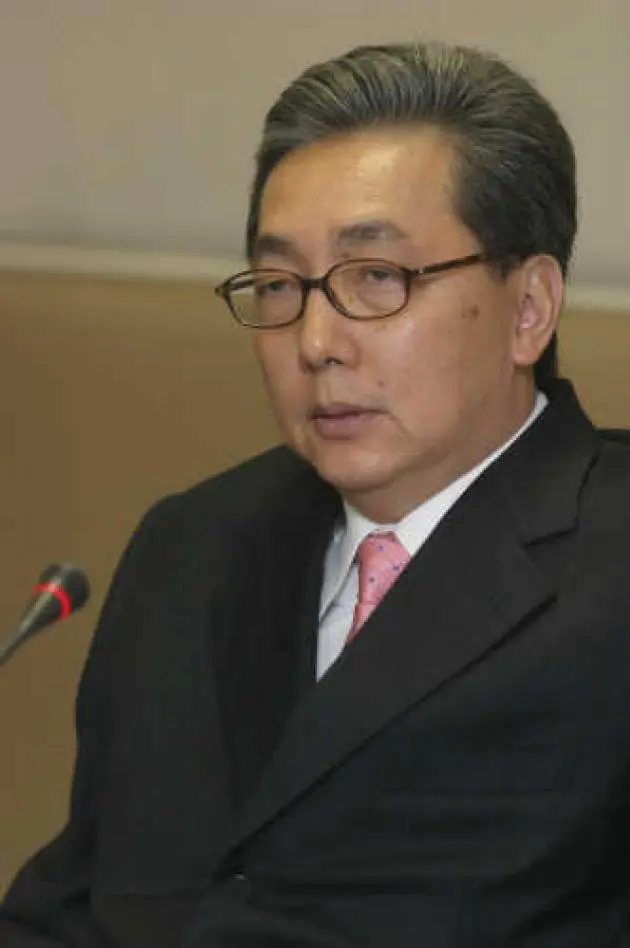


The government could come under pressure to shift the economy out of idle, but gross domestic product should grow on its fundamentals, not from an injection of capital, Somkid Jatusripitak, an adviser to the National Council for Peace and Order (NCPO), sa
After the military’s seizure of power from the elected government, Thailand has entered a "reform phase" and an election will follow. However, there remains a challenge for the country to stage a recovery or repeat its earlier steps, and short-term stimulus should be carefully considered, he said.
"I’ve seen people’s concern over the economy, that it has not yet made a recovery. The NCPO expects lower growth in 2014 and 2015, piling pressure on the government to launch economic stimulus measures.
"However, economic stimulus should be done when necessary only. Any spending should be in line with the key agenda for the country’s rehabilitation," he said.
GDP growth should be based on its capability to develop products in terms of innovation and strength, which could help the country compete with others. A capital injection could only boost the economy temporarily.
Stimuli attempted over the past 10 years were not worthwhile, he claimed, as high borrowings followed. If stimulus is necessary, it should coincide with long-term solutions for a proper growth rate.
The National Economic and Social Development Board is planning five special economic zones in Mukdahan, Tak, Songkhla, Trat and Sa Kaew provinces. This could help disseminate prosperity to economic-zone cities. Thailand is also a strategic centre for the Asean Economic Community. Problems could ensue if we do not have good connectivity.
As for the reforms pushed by the military regime, the important thing is to make people forget the past and start anew with more collaboration, Somkid said.
"What I’m concerned about the most is the rumour [that I am having] a conflict with Deputy Prime Minister MR Pridiyathorn Devakula, who is in charge of economic affairs. I feel uncomfortable about this.
"He and I worked together on the country’s rehabilitation after the 2007 financial crisis. Now, he is a deputy prime minister and I’m part of the NCPO and help him on specific assigned issues," he said.
The government may have to accept two-way communication with the people through the media, and that would bring about people’s participation in the reform process.
