
Govt plans boost to flagging economy next year amid global risk factors


Play
WITH looming risk factors around the globe, Thailand's Finance Ministry plans to spend an additional budget worth Bt260 billion next year in an attempt to stimulate its languishing economy.
The amount represents about 2 per cent of gross domestic product.
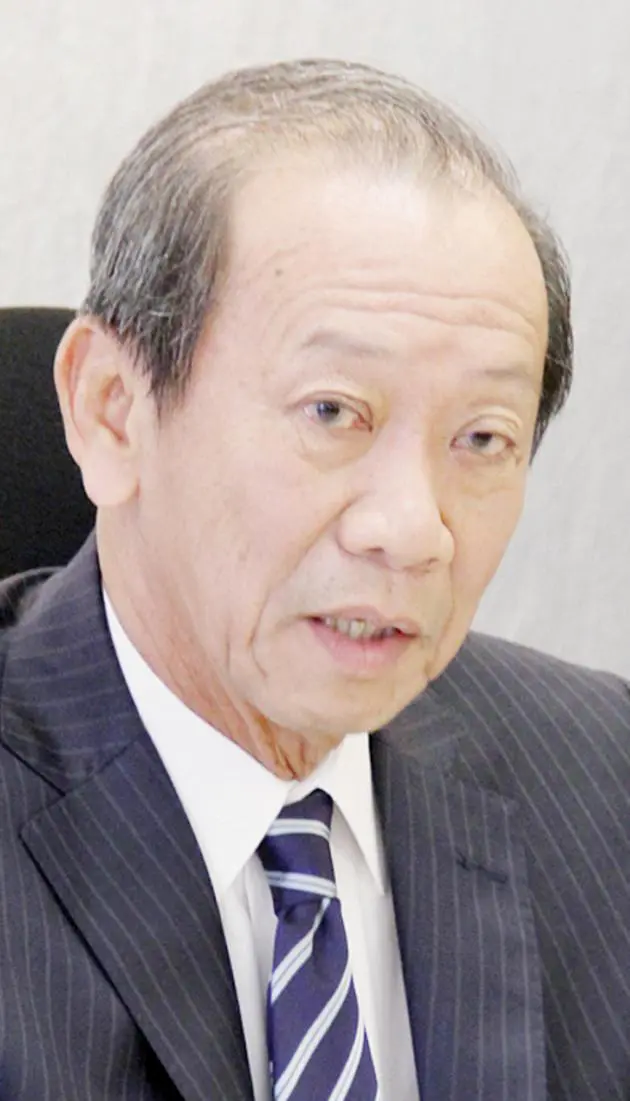
“After the government announced and implemented the economic stimulus, there has been [a limited] budget disbursement, while the export sector that drives about 70 per cent of GDP is faced with global economic risks,” Finance Minister Sommai Phasee said in an exclusive interview with The Nation Group.
He believes that the economic stimulus package that could be disbursed is only 20 per cent of total budget, as there is a limit to the country’s bureaucratic process.
However, he said, if the budget disbursement was in line with the plan, there was no need to spend the additional budget for fiscal 2015. The extra budget would be set aside for spending on any projects that were not in the fiscal 2015 budget.
“Personally, I think the additional budget of Bt260 billion – or about 2 per cent of GDP – is the appropriate level,” he said.
Sommai said the government now contributed only 20 per cent to GDP. Meanwhile, the country relies on exports, accounting for 70 per cent of GDP. If Thailand could collect from its tax income as much as 40 per cent of GDP – like Scandinavian countries – the country would have money for more spending, he said.
“Now, the government has tried to increase revenue. So, it has set a tax-reform plan in a bid to increase tax income to 20 per cent of GDP in 2017 from 18 per cent currently,” said Sommai, adding there would be an economic boost with the news of a general election. He believed that if the government seriously worked out tax reform – and the public understood more about what the government had done to help the economy – the reform plan could move forward.
In the meantime, the ministry would try to block tax loopholes as well as widen the tax base, focusing more on those not in the tax payment system.
As for the inequality problem, Sommai said tax could be just one solution. There would be others as more funds became available in social welfare.
“So far, the Thai economy has been growing slowly because we have invested too little money. We also focus only on the promises of a balanced budget – and that’s an illusion. So, we no longer spell out that word [balanced], as it would force the economy to grow more slowly,” he said.
Thailand was able to pay its way though it had a low debt burden, said Sommai, adding the country had a public debt representing only 46 per cent of GDP.
He said the country’s biggest challenge was its export sector and the competition from bigger economies. Though these factors were not to be overly feared, the country could be affected. Therefore, its strategy was to cooperate with all parties, especially Asean countries.
“The spending power of Thailand’s neighbouring countries is still high. So, when I address international financial institutions, I ask them to give our neighbouring countries financial aid, instead of Thailand. This is because if our neighbours are doing well, we will be also do well,” said Sommai.
Regarding the export growth next year, he declined to estimate whether it would reach 5 per cent, but said there would be strong competition. Investors would like to see an elected government soon.
Sommai said he was not sure there would be a large amount of foreign direct investment right now.
As for the tourism sector, if the global economy was in a good situation, foreign tourists would return to the country.
“We cannot hope too much for the country’s economy overall. But, we have to be patient,” Sommai said.
