
HSBC upbeat on foreign investment inflow
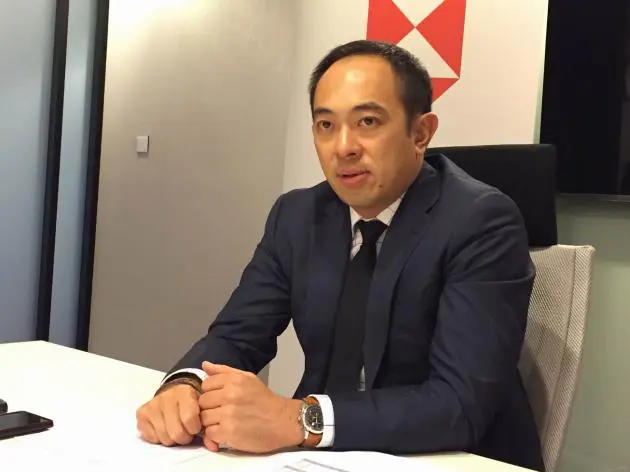


Despite the slow expansion of private investment in the Kingdom, HSBC (Thailand) is optimistic it can sustain its commercial-banking growth thanks to continued direct investment by foreigners and the outbound activities of large Thai corporates and mid-ma
According to the Bank of Thailand, the private investment index in the first two months of the year witnessed growth of 0.1 per cent, which while small, was an improvement on the year-on-year drop of 4.4 per cent in the same period last year.
The overall lower trend in private investment has not, however, impacted greatly on the bank’s business with large corporates, which form the main part of HSBC (Thailand)’s customer base, said Krisda Phatcharoen, head of commercial banking.
While small and medium-sized enterprises and retail are two sectors that have been affected by the economic slowdown, neither is a focus area for the bank, he said.
Under its global policy, foreign units of UK-based HSBC cannot provide loan-growth targets or details of outstanding lending, but the Thai operation is able to sustain growth because the country remains an attractive destination for foreign direct investment (FDI), which is a key focus area for HSBC (Thailand), he explained.
HSBC (Thailand)’s commercial banking covers three kinds of customer. International subsidiaries account for more than 50 per cent of the customer base, with the remainder being made up of large Thai corporates and mid-market enterprises.
FDI plays a key role in driving the Thai economy, and HSBC’s global network of 6,200 offices in 74 countries helps the local unit to access international companies with aspirations to invest in Thailand and elsewhere in Asean, he said.
Thailand is able to attract foreign investment thanks to its infrastructure and developed supply chain, he said, adding that even though neighbouring countries have lower labour costs, this is not a critical stand-alone factor for foreign investors, as they consider the total cost of production.
One positive factor that supports HSBC in Thailand is the outbound activities of large Thai corporates, which increasingly need to look outside the Kingdom in order to achieve full supply-chain integration, said the commercial-banking chief.
Meanwhile, many mid-market businesses also want to venture overseas, because the local market has reached a stage of mature growth for them, he said.
Furthermore, additional merger and acquisition activity involving Thai businesses is expected, following strong M&A growth in the past few years, he added.
Thai companies are seeking a new formula to reinforce their growth, which means the trend of mid-market enterprises in venturing abroad is expected to increase as they require strategic and financial partners to support the investment that such a move entails, said Krisda.
Given these factors, HSBC (Thailand) over the past few years has grown steadily in terms of lending, cash management and trade finance. The bank has identified agro industry, manufacturing, tourism and retail as four key sectors for further business expansion.
However, a risk for clients in considering investment is foreign-exchange volatility, which influences operating costs, he said, although political uncertainty in Thailand is not seen as a major risk by most foreign investors because many other countries have political issues, as well.
Next year, the banker said, at least two countries in Asean – Vietnam and the Philippines – would be facing leadership transitions, while Thailand is expected to have a general election. Foreign investors will, therefore, carefully weigh these and other factors in selecting the best potential investment location for them.
