
Thai Cabinet raises excise tax on certain EV imports to 35% from 2027
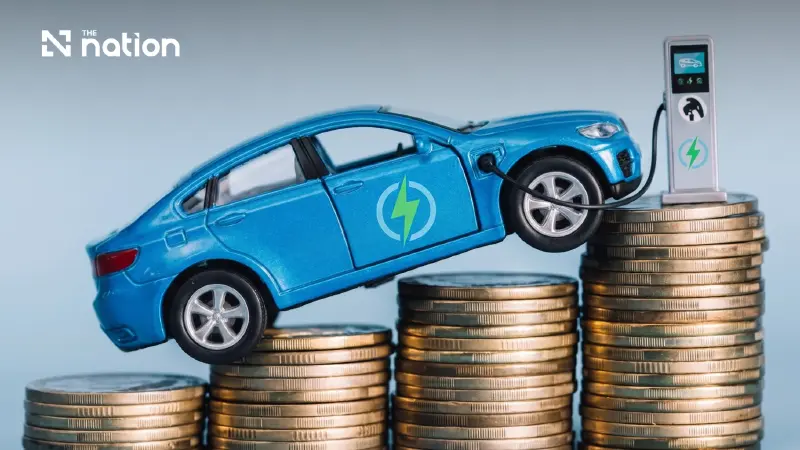


The changes cover battery electric and range-extended imports, aiming to attract investment, promote high-value local parts and upgrade Thai workers’ skills.
- The Thai Cabinet has approved an increase in the excise tax to 35% for certain imported electric vehicles (EVs).
- This new tax rate, effective January 1, 2027, specifically targets EVs not manufactured in Thailand and those that do not use locally produced parts.
- The primary goal of the tax hike is to encourage investment in local EV production and establish Thailand as a manufacturing and export hub.
- This measure is also intended to ensure fair competition and support businesses that have already invested in manufacturing facilities within the country.
The Cabinet agreed at its official off-site meeting in Udon Thani on Tuesday (November 3, 2026) to raise excise tax on certain imported electric vehicles (EVs) to 35% from January 1, 2027.
Excise Department director-general Pornchai Thiraveja said the changes cover imported battery electric vehicles (BEVs), currently taxed at 10%, and imported range-extended electric vehicles (REEVs), currently taxed at 15%.
BEVs run solely on battery power and are propelled by electric motors.
REEVs are rechargeable vehicles that combine fuel and electricity but are driven exclusively by electric motors.
Finance Minister Ekniti Nitithanprapas said the measure concerns imported vehicles with no domestic production and no use of locally made parts.
It is intended to ensure fair treatment for businesses that have invested in setting up factories and manufacture vehicles in Thailand.
These businesses have continued to employ Thai workers and develop automotive supply chains, making an important contribution to the economy.
Pornchai said the restructuring follows resolutions of the National Electric Vehicle Policy Committee at a meeting on November 25, 2025, and a meeting on September 10, 2026, which tasked the Excise Department with considering implementation.

Automotive technology has changed rapidly, while manufacturers in Thailand face increasingly intense competition from imports outside government support schemes, creating an uneven playing field.
Pornchai said the restructuring was needed to encourage investment in the domestic production or assembly of key vehicle components, maintain industry stability and improve technological competitiveness.
Pornchai outlined three principles underpinning the restructuring:
- Investment-Driven Import: Using vehicle imports to attract investment.
- Regional and Global EV Hub: Making Thailand an export centre for environmentally friendly vehicles.
- High Value-Added Local Content: Increasing the use of high value-added locally made parts.

The tax measures are intended to generate real investment, increase production capacity and export opportunities, create jobs for Thai people and upgrade Thai workers’ skills.
The aim is to transform the country’s established manufacturing base into a future regional and global hub for producing and exporting environmentally friendly vehicles, rather than merely a market for imports.
This is to be pursued through the government’s Multi Path Way approach, using a range of alternative energy options to power vehicles.
The goal is to develop a major new economic growth engine by building efficiently and sustainably on existing industries.
The Excise Department has also been instructed to begin talks with businesses and investors interested in investing in Thailand to consider special tax rates for new investment.
Several investors have already expressed interest in investing in the country and expanding their production bases there.
The policy also aims to preserve and strengthen Thailand’s automotive supply chain, which includes parts manufacturers, small and medium-sized enterprises (SMEs) and a large workforce.
Particular emphasis is placed on helping businesses in the existing internal combustion engine vehicle industry adapt and continue their transition to the EV industry.
The government therefore needs to balance attracting new investors with supporting existing businesses, while helping develop domestic parts manufacturers and maintaining the industry’s long-term competitiveness.
Pornchai said domestic vehicle and parts manufacturers would benefit directly through production and employment across the supply chain, helping strengthen the overall capabilities of Thailand’s automotive and parts industries.
