
Thai Airways Sets March 2027 Target for Auckland Relaunch
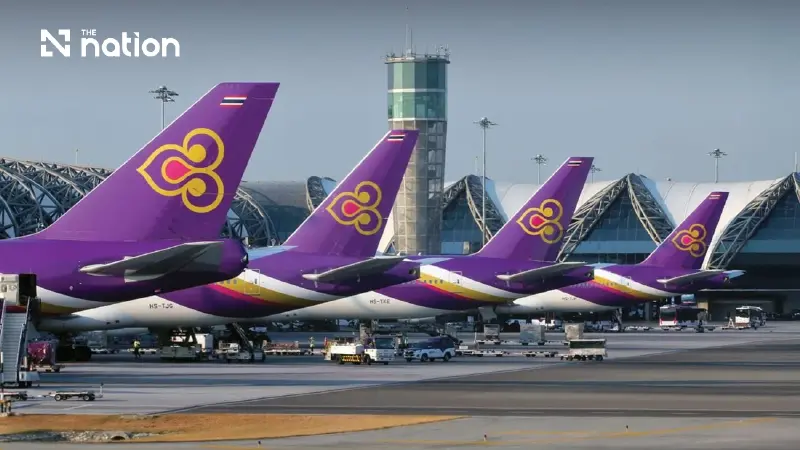


Direct Bangkok–Auckland flights could relaunch early in March 2027, backed by slot bookings and a proposed Star Alliance code-share with Air New Zealand
- Thai Airways is targeting a March 2027 relaunch for its direct, non-stop service between Bangkok and Auckland.
- The new launch date is a year earlier than the original 2028 plan, a decision accelerated by talks between the Thai and New Zealand Prime Ministers.
- The relaunch is supported by a proposed Star Alliance code-share partnership with Air New Zealand to improve connectivity.
- The final schedule is contingent on the delivery of new long-haul aircraft to ensure Thai Airways has sufficient fleet capacity.
Direct Bangkok–Auckland flights could relaunch early in March 2027, backed by slot bookings and a proposed Star Alliance code-share with Air New Zealand.
Thai Airways is set to resume direct non-stop services between Bangkok and Auckland ahead of schedule, with launch plans brought forward by a year to March 2027.
Speaking during a visit to aircraft maker NZAero’s hangar at Auckland’s Ardmore Airport on 21 August 2026, Thailand's deputy prime minister and finance minister, Ekniti Nitithanprapas, confirmed the accelerated timeline following bilateral talks between the Thai and New Zealand prime ministers.
The route was originally slated to return in 2028. However, Thai Prime Minister Anutin Charnvirakul informed his New Zealand counterpart that officials are expediting preparations to target an early 2027 relaunch.
"We view this as a prime opportunity to foster cooperation through a code-sharing partnership rather than head-to-head competition," Ekniti said. "It will deliver a win-win outcome for both carriers while serving as a key milestone to boost connectivity and deepen commercial ties between Thailand and New Zealand."
Fleet Deliveries and Slot Allocation
The final schedule remains contingent on pending aircraft deliveries to ensure Thai Airways has sufficient long-haul capacity.
In the interim, Lavaron Sangsnit, Permanent Secretary of the Thai Ministry of Finance and Chairman of Thai Airways International PCL, has been tasked with driving preparations.
Government officials have already initiated talks with Auckland Airport management to secure advance landing and departure slots, ensuring operational readiness as soon as aircraft deliveries are finalised.

Star Alliance Synergies
The initiative also aims to leverage political and alliance ties. Current New Zealand Prime Minister Christopher Luxon served as Chief Executive of Air New Zealand prior to entering politics.
Because both Thai Airways and Air New Zealand are members of the Star Alliance, Thai officials are seeking a formal code-share agreement.
The partnership is expected to streamline connectivity and passenger transit across both airlines' regional networks rather than splitting market share.
