
Anutin launches ‘Economic Cabinet Plus’ to fast-track private-sector economic proposals
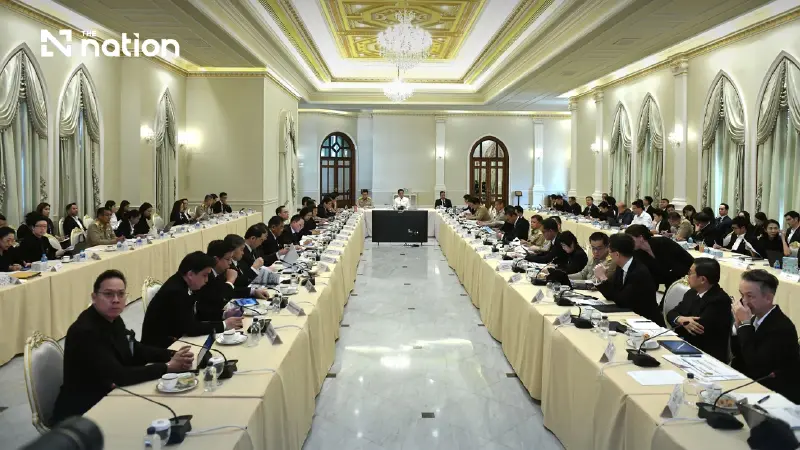


Prime Minister Anutin chairs first JPPCC meeting of 2026, positioning it as an “Economic Cabinet Plus” to speed up proposals and boost competitiveness.
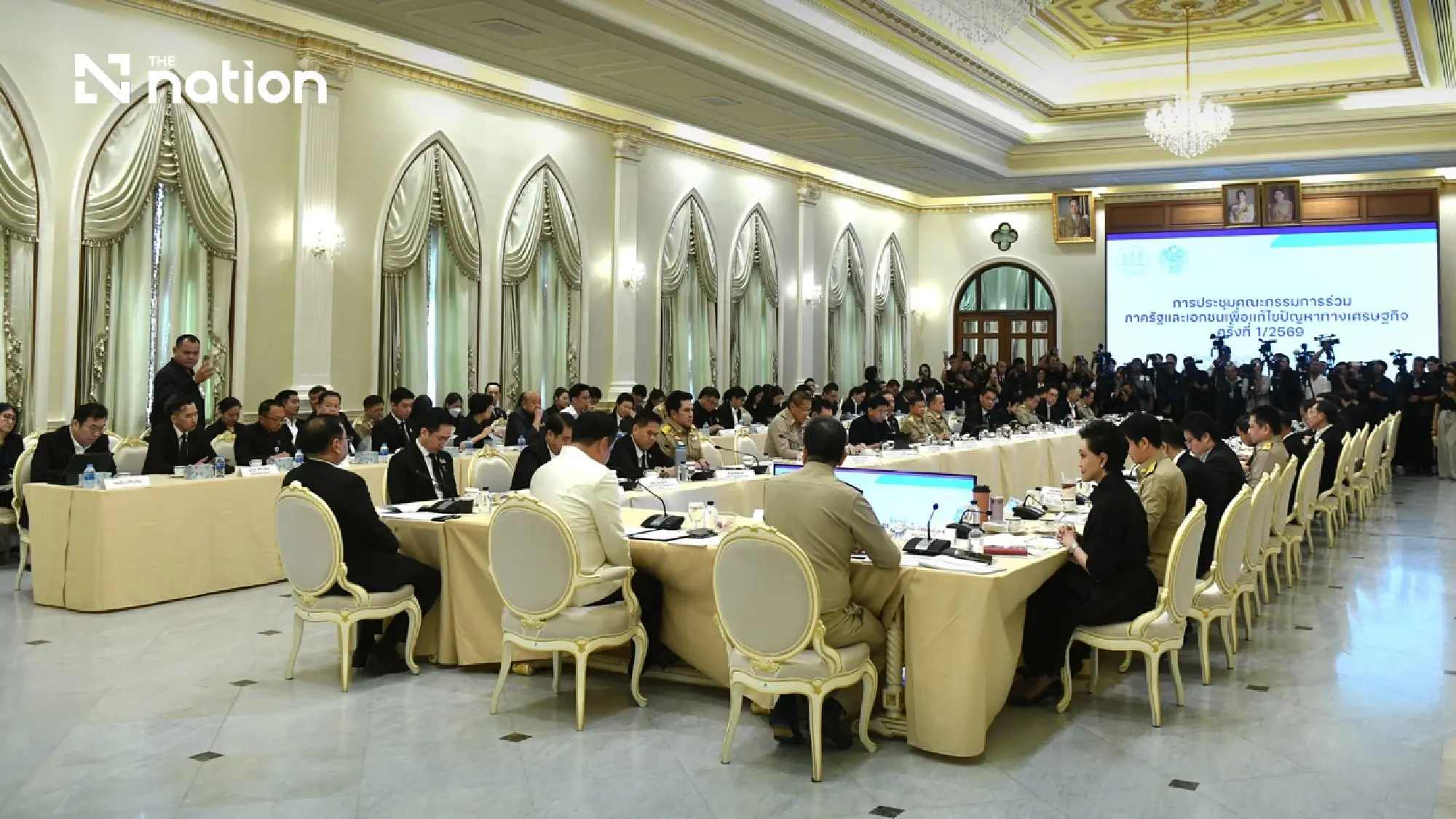
Prime Minister Anutin Charnvirakul on Monday chaired the first Joint Public and Private Sector Consultative Committee (JPPCC) meeting of 2026, casting the public-private forum as an “Economic Cabinet Plus” designed to speed up major economic proposals and strengthen Thailand’s competitiveness.
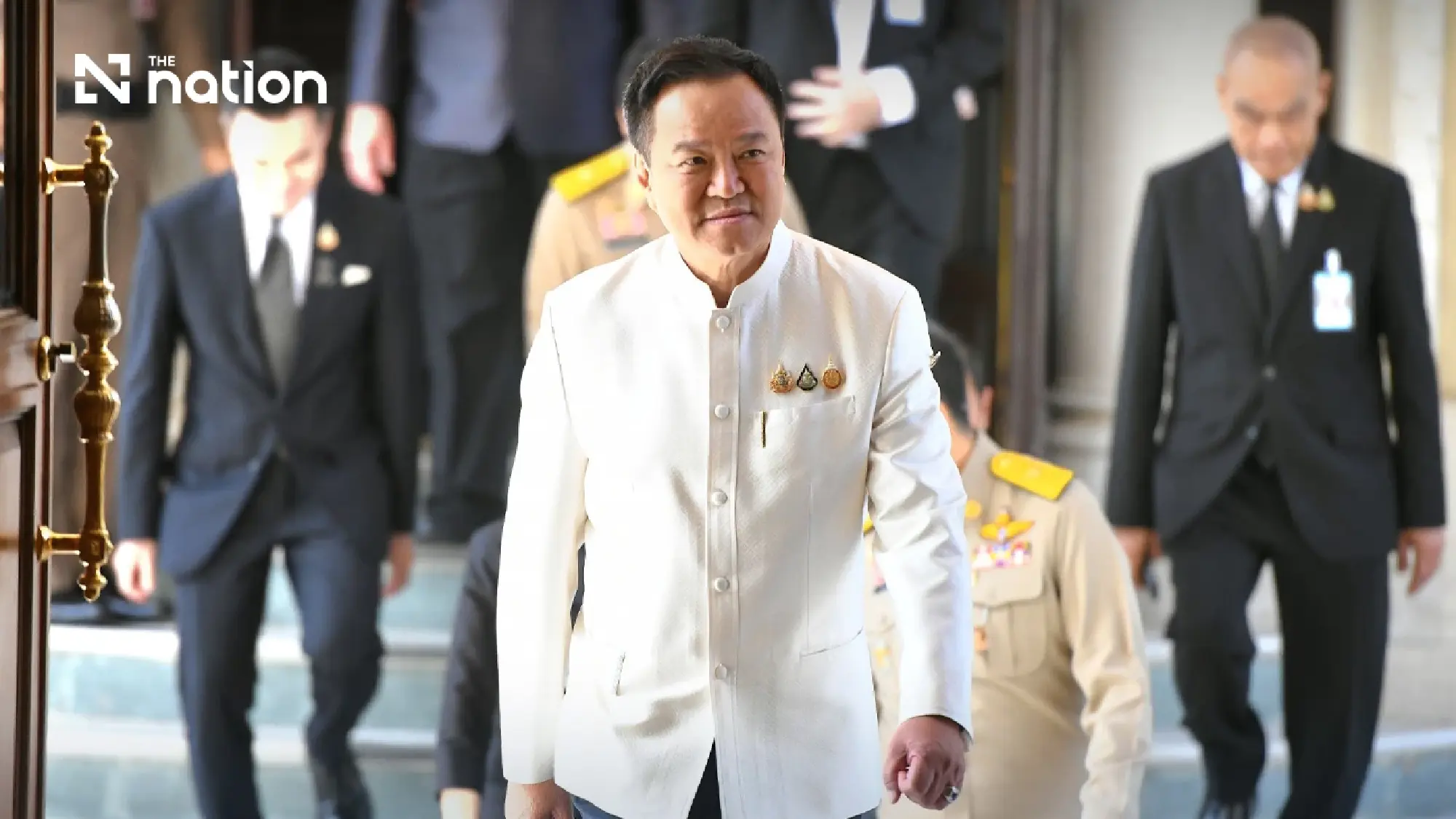
Anutin, who also serves as Minister of Interior, said the meeting marked a fresh start for cooperation between the government and the private sector, with both sides expected to work more closely to keep the Thai economy stable, resilient and sustainable.
The Prime Minister said the government had initially considered forming a separate economic cabinet. However, after discussions with Cabinet members overseeing economic affairs, it concluded that a standalone body was unnecessary.

Instead, the government will use the JPPCC as a broader economic platform that brings together ministers, state agencies and private-sector representatives to identify problems, exchange views and propose practical solutions.
Private sector brought closer to economic decision-making
Anutin described the new JPPCC structure as an “Economic Cabinet Plus”, saying the “plus” reflected the participation of the private sector, which he described as a key engine of the economy and an important source of momentum for the government.
The forum is expected to give business leaders a more direct role in shaping economic proposals before they are submitted for Cabinet consideration.
According to the Prime Minister, the JPPCC will focus heavily on improving Thailand’s national competitiveness, particularly in areas where government policy, business investment and regulatory decisions need to move in the same direction.

Monthly meetings planned to keep policy moving
Anutin said the committee is expected to meet every month, or at least once every six weeks, to consider major policy issues and economic measures.
Topics to be screened by the forum could cover agriculture, energy, labour, trade, industry and other areas linked to national economic development.
He said the process should help reduce delays, as many relevant ministers already sit on the committee. Once proposals are discussed and agreed at the JPPCC level, they can be forwarded to the full Cabinet for rapid consideration or acknowledgement.

Fast-track mechanism for major proposals
The Prime Minister said the structure would allow the government and private sector to move more quickly from discussion to implementation.
He called on business representatives, civil servants, independent agencies and the administration to work together continuously in order to deliver tangible results, create clear economic change and support long-term growth.
The government is seeking to use the JPPCC not only as a consultation platform, but also as a screening mechanism for proposals that require policy coordination across ministries.
Competitiveness, semiconductors and innovation on agenda
Anutin said the first meeting would include presentations by key figures on semiconductors and innovation, areas he said were directly relevant to Thailand’s future development.
The focus reflects the government’s attempt to link short-term economic problem-solving with longer-term competitiveness, particularly in industries that could attract investment and strengthen the country’s position in regional supply chains.
Senior economic ministers attend inaugural session
The first JPPCC meeting under the new model was attended by senior members of the government and key agency executives.
Participants included Ekniti Nitithanprapas, Deputy Prime Minister and Minister of Finance; Pakorn Nilprapunt, Deputy Prime Minister; and Yodchanan Wongawat, Deputy Prime Minister and Minister of Higher Education, Science, Research and Innovation.
Ministers from the Ministry of Energy, the Ministry of Agriculture and Cooperatives, and the Ministry of Industry also joined the meeting.
Before the session, Anutin held discussions with senior economic officials at the Thai Khu Fah Building to prepare for the meeting.
Policy execution now in focus
The launch of the “Economic Cabinet Plus” model signals the government’s attempt to tighten coordination between policymakers and the private sector at a time when Thailand is seeking stronger growth, higher competitiveness and faster implementation of economic measures.
By placing ministers and business leaders in the same forum, the government hopes to shorten the policy process and ensure that private-sector proposals can be translated into Cabinet-level decisions more quickly.
