
SEPO backs four pillars for Thailand’s IMF-World Bank meetings
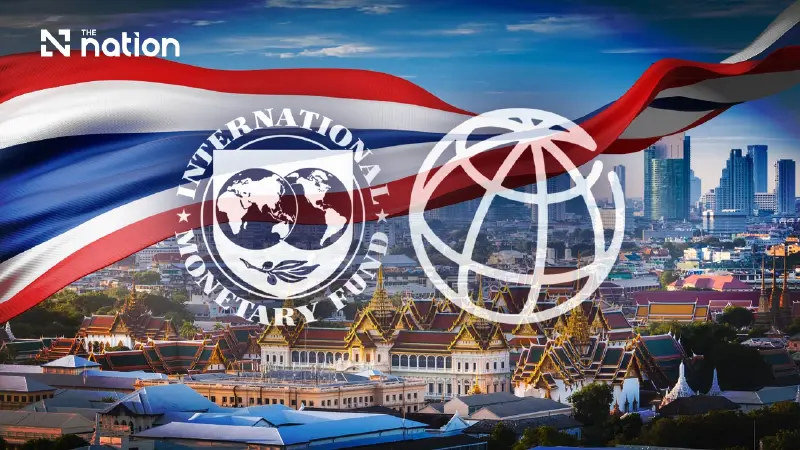


Thailand will host the 2026 IMF-World Bank Annual Meetings in Bangkok under four pillars covering AI, resilience, climate finance and longevity.
The State Enterprise Policy Office (SEPO) is supporting Thailand’s preparations to host the 2026 Annual Meetings of the International Monetary Fund and the World Bank Group in Bangkok from October 12-18.
The meetings will be held under the theme “Thailand’s New Horizons: Empowering People, Building Resilience”, reflecting Thailand’s potential to serve as a regional centre for economic and financial cooperation.
The IMF-World Bank Group Annual Meetings are normally held at the organisations’ headquarters in Washington, DC, for two consecutive years. In the third year, the event rotates to a selected member country to reflect the international nature of both institutions.
Thailand sets four pillars for global meetings
Thailand has established four pillars to guide its hosting of the 2026 meetings.
The first is Digital and AI Transformation for Inclusive and Resilient Growth, focusing on the use of digital technology and artificial intelligence to support growth that benefits a broad range of people and strengthens economic resilience.
The second is Building Resilience in a Fragmented World, which seeks to expand the role of middle-sized countries and position Thailand as a bridge for international cooperation amid increasing global divisions.
The third is Building a New Financial Architecture for Climate Adaptation, aimed at developing new financial structures to support countries and communities in adapting to climate change.
The fourth is Demographic Change and the Longevity Economy, addressing changing population structures and the economic opportunities and challenges associated with longer life expectancy.
State enterprises to support all four pillars
Thai state enterprises will play a role in advancing all four pillars through the development of national infrastructure and public services.
Their operations span energy, transport, communications, finance and public utilities, all of which are important mechanisms for improving people’s quality of life, supporting economic development and strengthening Thailand’s competitiveness.
SEPO said it remained committed to supervising and developing state enterprises in accordance with good corporate governance principles.
The office aims to ensure that state enterprises operate transparently and efficiently, supporting national development and strengthening confidence in Thailand among the international community.
These efforts are expected to contribute to strong and sustainable economic growth over the long term.
Roles of the IMF and World Bank Group
The IMF promotes international monetary cooperation, supports the balanced expansion of global trade and works to maintain stability in international exchange rates.
It also supports the development of international payment systems and provides financial assistance to member countries experiencing balance-of-payments difficulties.
The World Bank Group provides financial assistance and technical advice to low- and middle-income countries.
Its work is intended to create opportunities, improve quality of life and promote sustainable development.
