
Commerce Ministry coordinates essential supplies in flood-hit areas
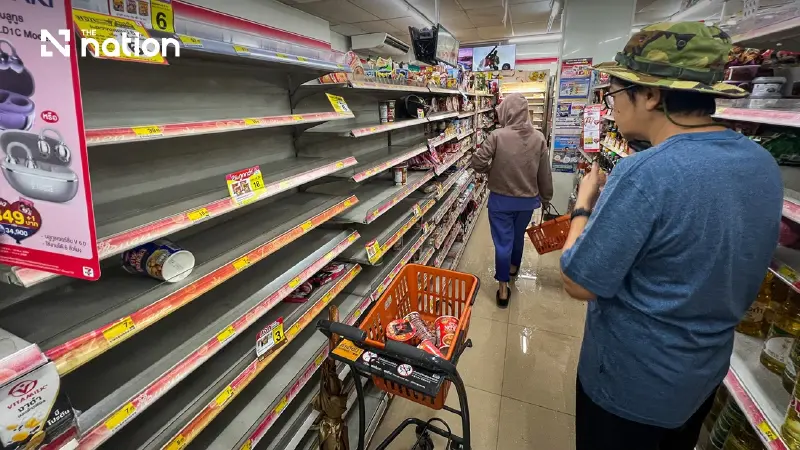


The Department of Internal Trade is coordinating retailers, convenience stores and markets to maintain essential supplies and monitor prices in flood-hit areas.
- The Commerce Ministry is coordinating with retailers, convenience stores, and markets to ensure essential supplies remain available in flood-hit areas.
- While major retailers are operating largely as normal, some smaller convenience stores and fresh markets are facing disruptions due to transport difficulties.
- Key support measures include channelling priority goods like meat, eggs, and vegetables into affected regions and monitoring prices to prevent unfair increases.
- Retailers are working together to communicate which of their branches are open or closed, helping consumers to plan their shopping more easily.
The Department of Internal Trade (DIT), under the Ministry of Commerce, is coordinating retailers, convenience stores, fresh markets, wholesale markets and local department stores to ensure essential consumer goods remain available as flooding disrupts travel and distribution in some areas.
The department’s director-general, Wittayakorn Maneenetr, explained that residents in some flood-affected areas had increased their purchases to build up reserves.
Deputy Prime Minister and Commerce Minister Suphajee Suthumpun has instructed the department to closely monitor the situation and assist with supplies of essential goods to prevent shortages in affected areas.

Retail and wholesale operations remain largely normal
The DIT convened representatives from major retail operators, including Makro, Lotus’s, Big C, Tops, GO Wholesale, The Mall and Foodland, as well as convenience stores 7-Eleven, CJ and Lawson.
Fresh and wholesale markets taking part included Thai Charoen Market, Sri Muang Market, Si Mum Mueang Market, Talaad Thai, Lan Mueang Market, Thoet Thai Market, Hua It Market and Yes Bang Phli Market. Local department stores also joined the meeting.
The discussions covered store opening conditions, stock levels, transport and distribution, as well as coordinated measures to support consumers affected by flooding.

Overall, the retail and wholesale system continues to operate, with major retailers still able to replenish stocks as normal. However, some convenience stores in affected areas, including Bang Kapi, Min Buri and Rangsit, may face difficulties with access and deliveries, disrupting normal operations at some branches.
Most fresh and wholesale markets also remain open and continue to have goods available. However, some have been affected by lower numbers of traders and shoppers because flooding has made travel more difficult.
The DIT will closely monitor transport conditions and store openings and closures in each area so that support can be provided and problems addressed promptly.
The department is also monitoring prices, particularly for some leafy vegetables. Prices of coriander, celery and garland chrysanthemum have risen, while prices of cabbage, tomatoes and cucumbers have fallen.
The DIT will continue to monitor production volumes, weather conditions and transport to assess their impact on prices and consumer demand.

Two measures to support flood-affected areas
The department has outlined two main areas of support.
First, for fresh and wholesale markets, the DIT will help channel essential consumer goods from production sources into markets on a continuing basis. Priority products include pork, chicken, eggs and essential vegetables to ensure sufficient supplies for consumers.
Officials will also be deployed to monitor conditions and check prices in affected areas to deter opportunistic price increases and unfair practices against consumers.
Second, major retailers, convenience stores, fresh markets, wholesale markets and local department stores will help communicate information on which shops and branches are open or closed in each area. The aim is to help consumers plan their journeys and purchases more easily.

The DIT will continue to coordinate information with operators and support the distribution of goods to areas where demand is high.
The department will closely track the impact of flooding on the trading system, particularly stock levels, distribution and prices, to ensure essential consumer goods remain available and accessible.
It will also coordinate with businesses and relevant agencies to address problems in line with conditions in each affected area.
Members of the public who encounter insufficient supplies or distribution problems, or find goods being sold at unfair prices, can contact the Department of Internal Trade hotline on 1569 so officials can coordinate assistance and address the issue.
