
WMO reports 2026 could be hottest year on record as El Niño intensifies
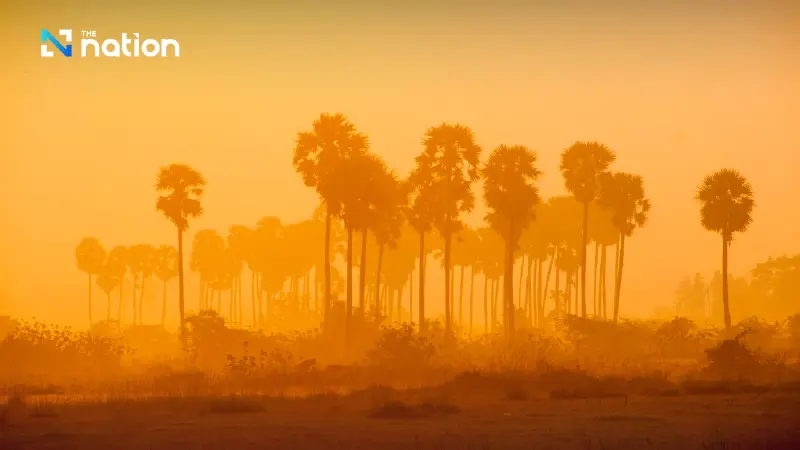


At COP31, climate officials highlighted growing health pressures and called for cleaner energy, sustained monitoring and better protection for vulnerable people.
- The World Meteorological Organization (WMO) reports that 2026 could become the hottest year on record, with global temperatures from January to September already 1.47°C above pre-industrial levels.
- This potential record is being driven by an intensifying El Niño event, which is amplifying the effects of human-caused global warming and is expected to continue into early 2027.
- The WMO notes that El Niño's greatest warming impact is typically felt in the year after it develops, suggesting that 2027 could also set a new temperature record.
The World Meteorological Organization (WMO) expects El Niño to exert a greater influence on temperatures and extreme weather in 2027.
The exceptionally strong event is already amplifying human-caused global warming and could make 2026 the hottest year ever recorded.
Measurements covering January to September place the global average surface temperature about 1.47°C above the 1850–1900 pre-industrial average, the WMO’s State of the Climate Update 2026 shows.
With El Niño gaining strength since August, the figure for the full year is likely to rise further.
The update’s publication coincided with the opening of the annual United Nations climate talks in Antalya, Türkiye.
Known as COP31, the 31st session of the Conference of the Parties to the United Nations Framework Convention on Climate Change will continue until 20 November 2026.
Dangerous heat has already affected hundreds of millions of people in 2026.
India’s April heatwave alone affected an estimated 146.5 million, while preliminary estimates put excess deaths from Europe’s heatwaves, drought and wildfires at more than 30,000.
“For too many people, climate change is deadly,” said Simon Stiell, executive secretary of UN Climate Change.
In his assessment, the super El Niño was turning the climate crisis into a global health crisis by “turbocharging climate impacts”.
“We’re all at the front line of climate change,” said Alan Dangour, director of climate and health at Wellcome, a global charitable foundation.
He cited estimates attributing more than three million deaths each year to fossil fuel-related air pollution and extreme heat.
El Niño involves the periodic warming of Pacific Ocean currents.
Its effects are already evident in heat, rainfall, agriculture and health this year, and forecasts indicate that the current episode will continue into early 2027.
Between November and January, its intensity could be close to four times the threshold at which the WMO declares an El Niño.
The report puts the phenomenon’s usual addition to annual global mean temperatures at roughly 0.1°C to 0.2°C.
WMO Secretary-General Celeste Saulo linked the possibility of another temperature record in 2027 to the timing of El Niño’s warming effect: the greatest increase is generally felt in the year after the event develops.
Saulo placed 2023–2026 at the top of the temperature rankings and described the past 12 years, including 2026, as the 12 warmest on record.
Ocean heat is on course to set an annual record for the tenth year running, the report indicates, while global mean sea level has already reached a new high.
“There is simply more heat available to release,” Saulo said. Heatwaves, tropical cyclones and rainstorms were intensifying at a pace beyond what societies had prepared for using historical climate baselines.
“We are supercharging our weather,” she added.
Stiell called for electrification to proceed more quickly and for greater use of cleaner energy, both to cut pollution that warms the planet and to protect households and health systems.
His appeal came as extreme heat and climate disasters were putting increasing strain on healthcare and infrastructure.
Dangour urged governments and businesses to make health a priority in climate action, with particular protection for children, pregnant women, outdoor workers and older people.
He also called for climate negotiations to address people’s health and well-being more directly.
The number of countries reporting early warning systems for multiple hazards reached 136 in 2025, compared with 56 a decade earlier in 2015.
“We cannot afford to fly blind,” Saulo said, as the WMO emphasised the increasing importance of sustained observations and early warnings.
Officials stressed that vulnerable communities still needed stronger protection, alongside increased financing and a faster reduction in emissions.
Source: China Daily
