
Thailand braces as exceptional El Niño heads for December peak
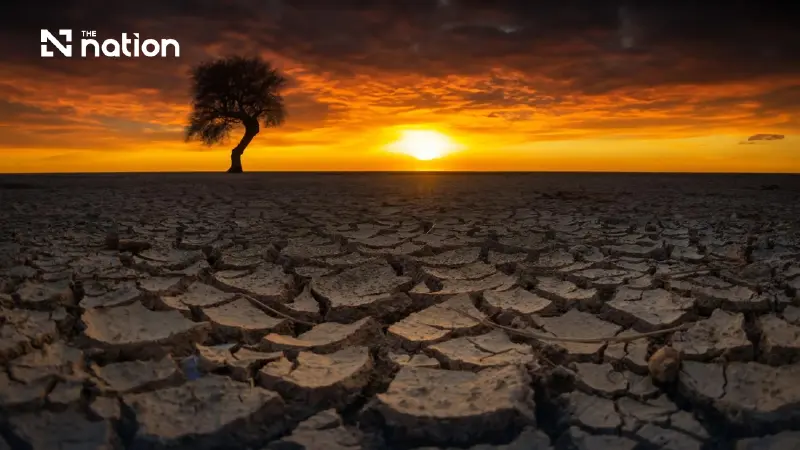


WMO warns the current El Niño could reach unprecedented strength by December, raising heat, drought and agricultural risks for Thailand and Southeast Asia.
Thailand is being urged to prepare for heightened heat, drought and agricultural risks as the current El Niño intensifies towards a December peak that the World Meteorological Organization (WMO) says could be unprecedented in strength.
The WMO’s latest Global Seasonal Climate Update, released on October 21, forecasts that the seasonal average sea-surface temperature anomaly in the Niño 3.4 region of the tropical Pacific could reach about 3.8C above average between November 2026 and January 2027.
The warming is expected to peak around December, with impacts potentially continuing well into 2027. The WMO said the projected intensity was effectively beyond the monitoring charts it has used over the past four decades.
The organisation cautioned that the outlook describes broad seasonal tendencies rather than predicting individual weather events. Nevertheless, an exceptionally strong El Niño can significantly disrupt rainfall and temperature patterns, bringing drought and extreme heat to some areas while increasing heavy rain and flood risks elsewhere.
For Southeast Asia, the WMO has warned of heat, rainfall deficits and heightened wildfire and smoke hazards as the phenomenon strengthens.

Thailand among agricultural drought hotspots
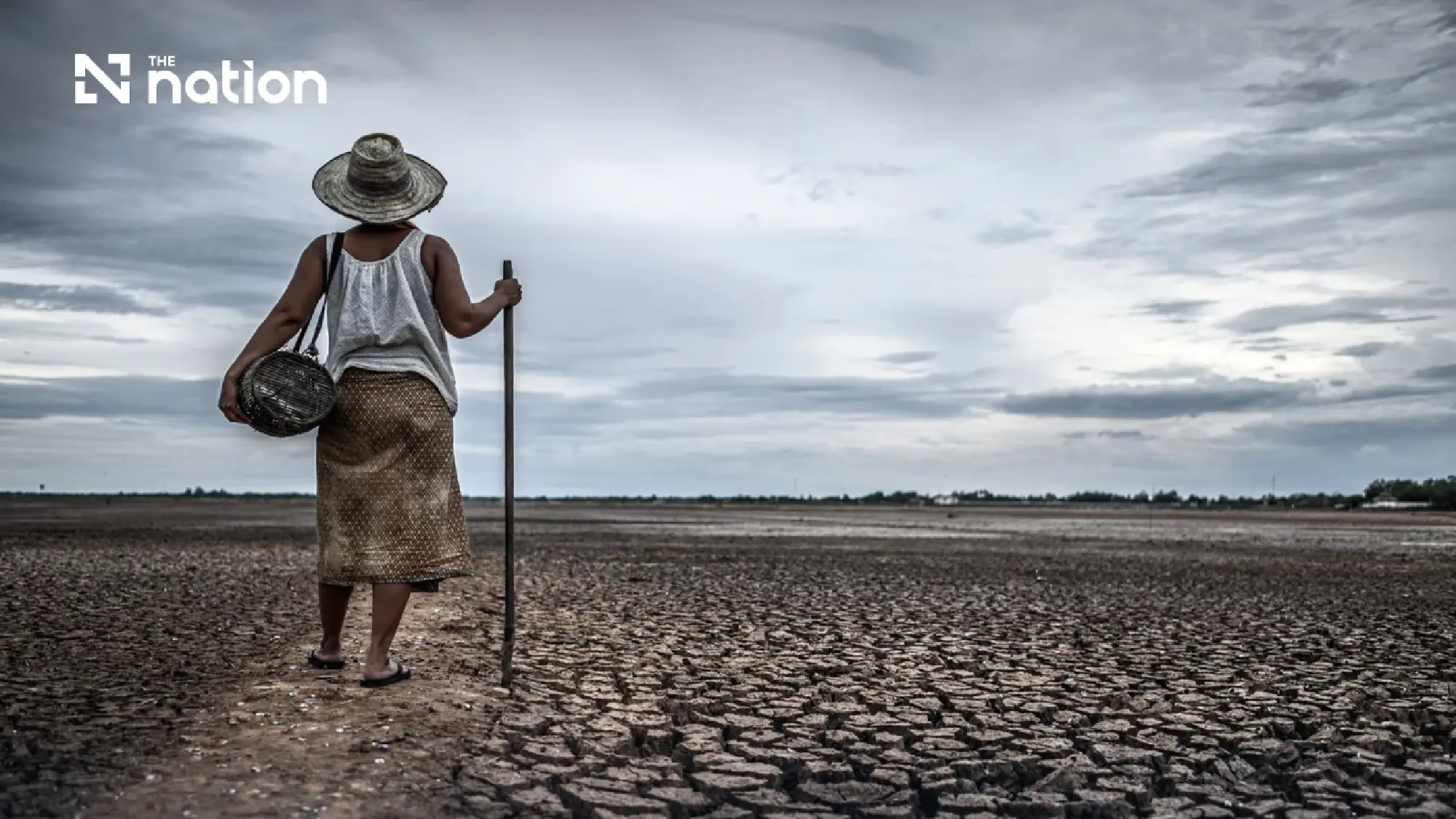
Thailand is also among the countries identified by the Food and Agriculture Organization of the United Nations (FAO) as being exposed to El Niño-related agricultural drought.
An FAO analysis released in June used 41 years of satellite observations from its Agricultural Stress Index System to identify areas historically vulnerable during strong and very strong El Niño events.
The risk zone across Asia stretches from Pakistan and India through Myanmar, Thailand, Cambodia and Vietnam to the Philippines, Indonesia and Timor-Leste.
In some agricultural and grazing areas in the most exposed regions, the probability of drought exceeds 50%.
FAO warned that the consequences extend beyond lower rainfall. Drought during critical stages of crop growth can reduce yields or cause crop failures, while livestock producers can face dwindling water supplies, deteriorating pasture and higher costs for feed and water.
For vulnerable farmers, those pressures can translate into lower income, rising household debt and greater food insecurity.

Previous El Niño cut Southeast Asian rice output
The experience of the 2015–16 El Niño highlights the potential agricultural consequences.
FAO estimates that Southeast Asia lost around 15 million tonnes of rice during that episode, helping push prices higher.
India, one of the world’s major rice producers, saw rice production fall by about 1% in 2015, while maize output declined by 4% as weaker monsoon rainfall affected crops.
The experience illustrates how El Niño can affect not only drought-hit countries but also international food markets and countries dependent on imported agricultural commodities.
Thailand is a major food exporter but also imports large quantities of commodities used by its food, livestock and processing industries.
The source figures show that in 2025 Thailand imported about 4.28 million tonnes of soybeans, 3.30 million tonnes of wheat and 1.46 million tonnes of maize.
Any significant production losses in major exporting countries could therefore increase Thailand’s import costs and feed through into prices for animal feed, flour, vegetable oil and other food products.
Strong El Niño raises wider food-security concerns
The threat is not confined to agriculture in Southeast Asia.
At a joint WMO and UN humanitarian briefing on October 21, Tom Fletcher, United Nations Under-Secretary-General for Humanitarian Affairs and Emergency Relief Coordinator, warned that around 50 million people worldwide could face increased hunger as a result of El Niño.
He described the developing event as a major humanitarian threat capable of bringing extreme heat, drought and flooding across Latin America, eastern and southern Africa, Asia and the Pacific.
The UN has already released more than US$50 million from its Central Emergency Response Fund to support preparedness in 11 frontline countries.
WMO Secretary-General Celeste Saulo stressed that although the strength of the event is exceptional, advance forecasts offer governments an opportunity to act before climate hazards become humanitarian disasters.
Agriculture faces multiple risks
FAO has urged countries exposed to El Niño to use climate forecasts to prepare before losses occur.
Recommended measures include adjusting planting calendars, selecting drought-tolerant or shorter-cycle crops, securing additional water supplies, storing livestock feed and directing cash, irrigation support and agricultural inputs towards vulnerable farmers.
Closer coordination between meteorological agencies, water-management authorities and agriculture ministries is also considered essential so that warnings can reach farmers before critical planting and growing periods.
For Thailand, the challenge is particularly important because reduced rainfall can affect both rain-fed agriculture and water availability, while persistent heat can raise irrigation demand and increase wildfire and haze risks.
FAO has already noted that concerns over dry weather are supporting rice prices in Thailand, alongside higher production and transportation costs.
Peak does not mean immediate end
Although El Niño is forecast to reach its maximum intensity towards the end of 2026, its impacts are not expected to disappear immediately afterwards.
WMO forecasts show a near-100% probability that El Niño conditions will persist through February 2027, while weather, agricultural and humanitarian effects could last considerably longer.
The latest warnings therefore place the emphasis on preparation rather than waiting for drought, crop losses or food-price pressures to emerge.
For Thailand, that means monitoring water supplies and agricultural conditions closely while preparing farmers and communities for the possibility of a hotter, drier period as one of the strongest El Niño events on record reaches its peak.
