
BOT assesses flood damage as IMF-World Bank meetings remain on track
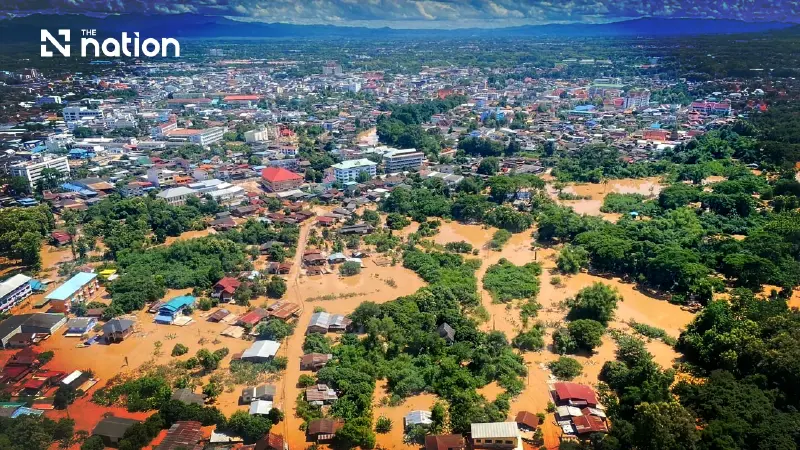


The Bank of Thailand says floods are hitting services and SMEs but are not expected to disrupt the 2026 IMF-World Bank Annual Meetings.
The Bank of Thailand (BOT) is closely monitoring the economic impact of persistent flooding in Bangkok and surrounding provinces, with initial effects concentrated mainly in the service sector, while preparations for the 2026 IMF-World Bank Annual Meetings remain unaffected.
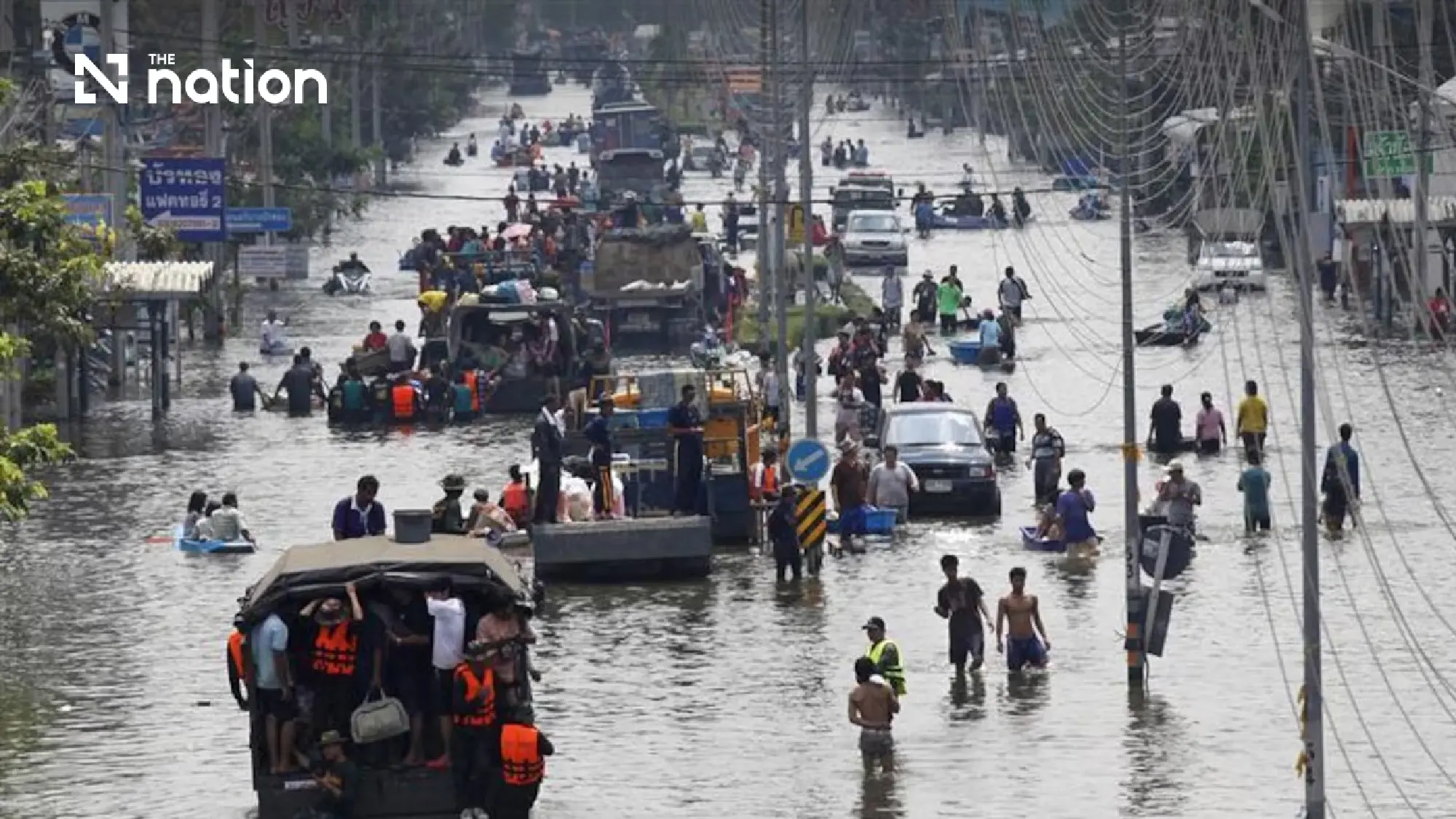
Several days of continuous rain have left flooding unresolved in many areas, disrupting daily life and economic activity.

Flood impact concentrated in services
Chayawadee Chai-Anant, Assistant Governor for Corporate Relations and BOT spokesperson, said the full economic impact could not yet be assessed because the flooding was ongoing.
Initial damage has been concentrated in services, particularly transport, goods distribution, retail and wholesale businesses, as well as temporary suspensions at some construction sites.
The impact on tourism has so far remained limited unless water levels rise further and flooding spreads more widely. The manufacturing sector has not yet reported severe damage to factories or industrial estates.
Small and medium-sized enterprises (SMEs) and small traders have been affected by damaged stock, weaker purchasing power and a decline in their ability to service debt.
“At this stage, we cannot yet put a figure on the impact on gross domestic product because the situation is still ongoing and needs to be monitored closely,” Chayawadee said.
“Whether this will cause GDP growth this year to fall below the BoT’s forecast will have to be assessed together with other factors. Various estimates have put property damage at around 0.03–0.1% of GDP, although some of that impact could be offset by repair and reconstruction activity after the floodwaters recede.”

Banks told to accelerate assistance for flood-hit borrowers
The BOT has instructed financial institutions to speed up assistance for borrowers affected by the floods.
A total of 16 financial institutions, comprising 10 commercial banks and six specialised financial institutions, have introduced emergency support measures.
These include relief on existing debt through principal or interest payment holidays, lower instalments, extended repayment periods and reduced interest rates.
Additional liquidity is also being provided through emergency loans, home-repair loans and working capital facilities for SMEs.
IMF-World Bank meetings expected to proceed as planned
The BOT also confirmed that the flooding is not expected to disrupt Thailand’s hosting of the 2026 Annual Meetings of the International Monetary Fund and World Bank Group, scheduled for October 12–18.
A business continuity plan (BCP) has been prepared, while the conference area and locations used by participants within a five-kilometre radius in Bangkok are not expected to be affected.
“The latest discussions on the Annual Meetings have included contingency planning to reinforce confidence,” Chayawadee said.
“Our assessment is that Bangkok should not be affected during the meetings if upstream water is properly managed and there is no substantial additional rainfall. The conference area and locations used by participants within a five-kilometre radius have not been affected.”
Thai economy steady in August
The BOT reported that Thailand’s economy was broadly stable in August compared with the previous month.
Merchandise exports excluding gold were steady, supported by the global technology and artificial intelligence cycle.
Thailand welcomed 2.5 million foreign tourists, up 1.8% month on month, led by visitors from China and India. Tourism receipts, however, remained unchanged as the average length of stay declined.
Private investment rose 2.2% from the previous month, driven by investment in machinery, equipment and commercial vehicles.
Private consumption improved slightly by 0.4%, supported by spending on services, hotels, restaurants and durable goods such as passenger cars and motorcycles, partly influenced by the Big Motor Sale and government economic stimulus measures.
The manufacturing production index fell 0.6% month on month, particularly in electronics, hard-disk drives and automobiles, contributing to slower trade and freight activity.
Agricultural output increased as the white-rice harvest season began and fruit production recovered.
Inflation rises to 2.53%
Headline inflation rose to 2.53%, from 1.95% a month earlier, driven by higher fresh food prices, including meat and eggs, amid volatile weather, as well as higher energy prices in line with global crude oil movements.
Core inflation stood at 1.44%, reflecting the gradual pass-through of higher costs for prepared food.
Thailand recorded a current-account surplus of US$2.4 billion.
Labour market conditions remained broadly stable, although the BOT said it was monitoring vulnerabilities reflected in the number of unemployment benefit claimants and competition from imported goods.
Recovery expected to remain uneven
Looking ahead, the BOT expects the Thai economy to continue recovering, although growth is likely to remain uneven.
Merchandise exports and private investment are expected to provide important momentum, supported by the global electronics and AI cycle.
Household consumption is also expected to receive support from government measures and improving labour income as tourism recovers and agricultural prices strengthen.
The central bank said it would continue to monitor five key factors: the sustainability of the global technology and AI cycle; developments in wars and international trade protectionism; the impact of government measures on consumption and investment; the effects of flooding and El Niño; and the pace of the tourism sector’s recovery.
