
Thai DIP warns AI music creators of licensing risks
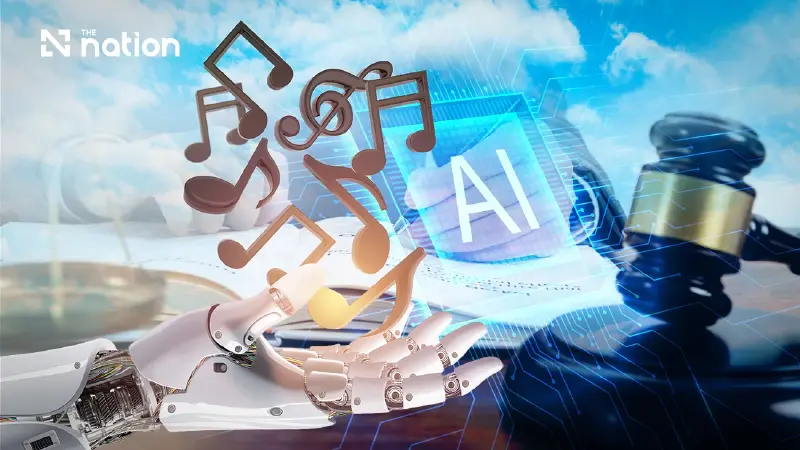


Thailand’s DIP says AI voice conversions and remixes using protected songs may require permission and royalties from multiple rights holders.
Creators and AI users who use protected songs for voice conversion, remixes or the generation of new music may need to obtain licences and pay royalties to multiple rights holders, Thailand’s Department of Intellectual Property (DIP) has warned.
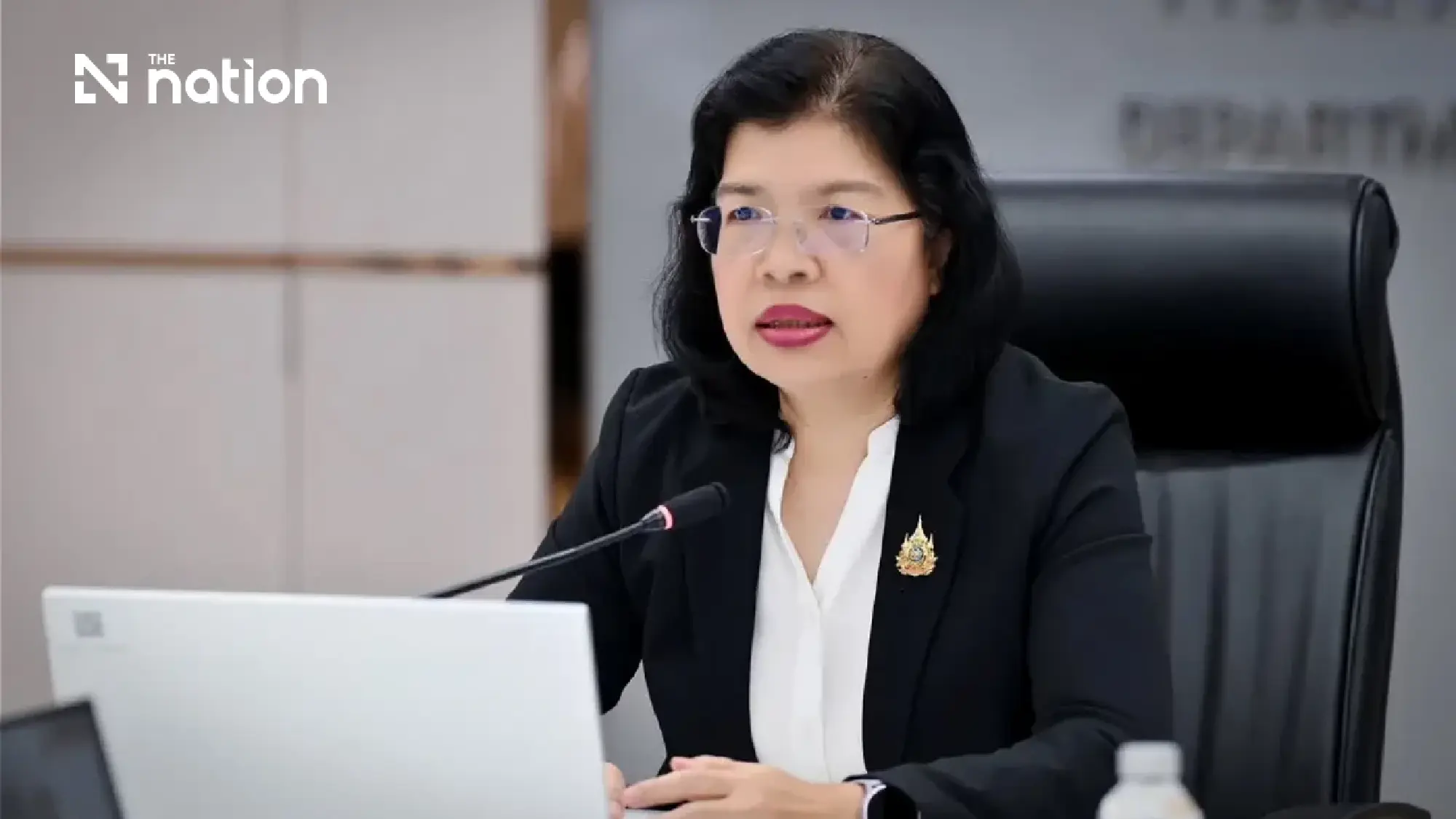
Director-General Oramon Supthaweethum said generative artificial intelligence was increasingly being used to create and distribute music online, including through AI voice conversion, AI remixes and the use of existing songs as reference material for new tracks.
The growing commercial and creative use of the technology has created uncertainty over how copyright applies when AI-generated content draws on protected music.
Thailand’s Copyright Act BE 2537 (1994), as amended, contains no provisions dealing specifically with AI, while no Thai court ruling has yet established a precedent on the issue.
The DIP is therefore applying existing copyright principles to explain the potential legal and financial exposure facing creators and users.
Recognisable elements may trigger copyright claims
Using a protected song with AI could involve the reproduction or adaptation of copyrighted material when important elements of the original work remain recognisable.
Those elements may include lyrics, melody, musical composition or other substantial parts that allow listeners to identify a connection with the original song.
The legal issue may arise not only from the final output. An AI system may also need to copy or process a music file during the creation process.
Where those activities are carried out without the copyright owner’s permission and do not fall within an exception provided by law, they may amount to copyright infringement.
One possible exception covers certain reproduction or adaptation for non-profit research or study. However, the DIP stressed that the facts, purpose of use and characteristics of the resulting work would need to be assessed separately in each case.
The absence of AI-specific legislation means there is no automatic rule determining whether every AI-generated remix, voice conversion or reference-based song is lawful or infringing.

One song may require several licences
The licensing position can be commercially complex because a single song may contain several layers of separately held rights.
Rights holders may include:
- the lyricist;
- the composer;
- the music arranger;
- the sound-recording producer; and
- the performers.
Permission obtained from one party may therefore be insufficient if the proposed use also involves rights controlled by others.
Oramon said permission to use a work in one form did not automatically authorise its use for another purpose. A licence covering conventional reproduction, for example, may not necessarily extend to AI voice conversion, remixing or the creation of a new track.
Creators and users should check the scope and conditions of any existing agreement before using a protected work with AI.
Where the intended activity involves rights reserved for a copyright owner, users should obtain permission and may be required to pay royalties or other compensation under terms agreed with the relevant rights holders.
The DIP advised creators to establish which rights are involved before beginning a project, rather than attempting to resolve licensing questions only after the material has been created or published.
Public-domain works may retain related rights
Music whose copyright term has expired and which has entered the public domain can, in principle, be used as information or source material for AI-assisted creation without infringing copyright in the original work.
That does not necessarily mean every available version of the music is free to use.
A particular sound recording may remain protected even when copyright in the original composition has expired. Separate rights may also continue to apply to performances, arrangements, adaptations or newly created works based on the original material.
AI users must therefore distinguish between the underlying song and a specific recording or later version of that song.
The DIP recommended checking both the copyright status of the original work and any related rights attached to the material being copied, uploaded or processed.
Mediation offers lower-cost route for disputes
The department also offers mediation when disputes arise over AI-assisted use of copyrighted material or other intellectual-property issues.
DIP specialists can act as neutral intermediaries, helping the parties discuss the facts, applicable law and possible terms of settlement without immediately taking the dispute to court.
Oramon said the department had already successfully mediated a case in which content was adapted using AI and published on an online platform without permission.
The DIP invited both parties to discuss the relevant facts and legal issues. They eventually reached an agreement without court proceedings.
The department said mediation could reduce the time and expense involved in resolving intellectual-property disputes while helping preserve commercial and professional relationships between the parties.
Creators and AI users were advised to study the relevant legal requirements or seek guidance before using another party’s work, particularly when the project could involve several copyright owners or forms of exploitation.
Members of the public seeking advice about AI use, copyright or intellectual-property dispute mediation can contact the Department of Intellectual Property hotline on 1368.
