
EU to enforce AI content labelling rules from August 2
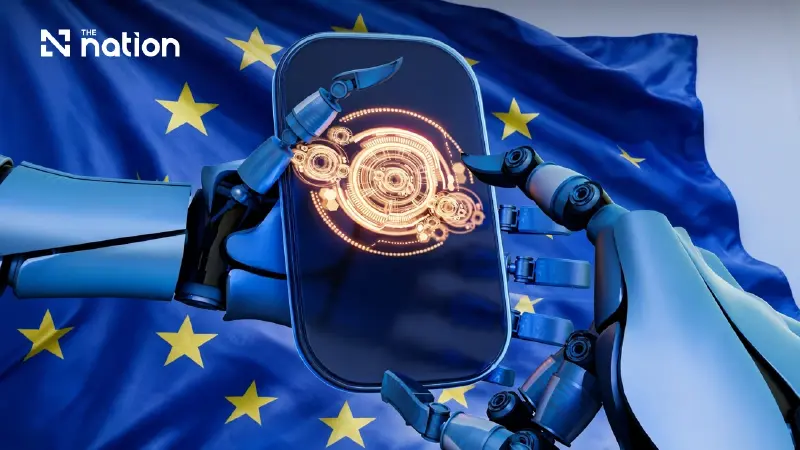


The EU will enforce AI Act transparency rules from August 2, requiring clearer disclosure of AI interactions, deepfakes and certain AI-generated content.
The European Union will begin enforcing new AI transparency rules from August 2, 2026, requiring clearer labelling of certain AI-generated or AI-manipulated content as part of efforts to curb misinformation, deepfakes and online deception.
The rules form part of the EU’s AI Act and apply to certain AI systems, including generative and interactive AI tools. They require providers of AI systems to ensure users are informed when they are directly interacting with AI, such as through chatbots, AI agents or avatars.
Providers of generative AI systems must also ensure that synthetic text, images, audio and video generated or manipulated by AI are marked in a machine-readable format so they can be detected as AI-generated or AI-altered.
The law also requires deployers of AI systems to clearly disclose deepfake content, as well as certain AI-generated or AI-manipulated text published to inform the public on matters of public interest, unless the content has undergone human review or editorial control.
The main aim of the rules is to protect people’s right to know whether what they see, hear or read has been created or altered by AI. The EU has warned that generative AI has made it easier to produce misleading content at scale, increasing the risk of confusion over what is real.
However, the rules include limits and exemptions to avoid unnecessarily restricting freedom of expression. Artistic, creative, satirical, fictional or similar works may disclose AI use in an appropriate way that does not interfere with the enjoyment of the work.
Content generated before August 2, 2026 does not need to be labelled retroactively, although the European Commission encourages voluntary labelling where possible. AI systems already placed on the market before that date have a limited grace period until December 2, 2026 for the marking and detection obligation.
The EU is not alone in moving to regulate AI-generated content. Several countries, including China, South Korea, India and some US states, have also begun developing or enforcing rules on AI-generated material, particularly deepfakes and content that could mislead the public.
For violations of Article 50 transparency obligations, companies may face fines of up to €15 million, or up to 3% of total worldwide annual turnover. Penalties may take proportionality into account for small and medium-sized enterprises and small mid-cap companies.
