
PepsiCo’s Thai operations offer lessons in sustainability
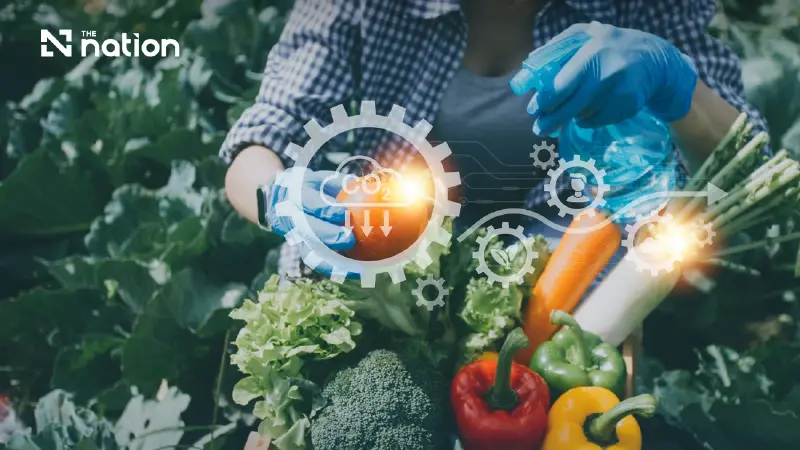


PepsiCo’s farming partnerships and factory water reuse offer a case study in Thailand’s pursuit of higher-value, more sustainable food production.
- PepsiCo strengthens its local agricultural supply chain by partnering with over 4,830 Thai farming families, sourcing more than 70% of its potatoes domestically.
- The company's Lamphun factory demonstrates resource efficiency by using technology to capture steam from potatoes, treat the recovered water, and recirculate it within the plant.
- By adapting products to local tastes and using its Greenhouse Program to test new technologies with start-ups, PepsiCo connects global innovation with local demand and sustainability.
PepsiCo’s partnerships with more than 4,830 Thai farming families and water-reuse technology at its Lamphun factory illustrate how Thailand’s food industry could create greater value rather than simply expand production. The examples connect agricultural sourcing, product innovation and resource efficiency with the country’s broader productivity challenge.
For Thailand, the question extends beyond attracting investment as global economic leaders, policymakers and business executives turn their attention to Bangkok for the 2026 Annual Meetings of the International Monetary Fund (IMF) and World Bank Group. The longer-term task is to combine international technology with the country’s strengths in agriculture, food and advanced manufacturing.
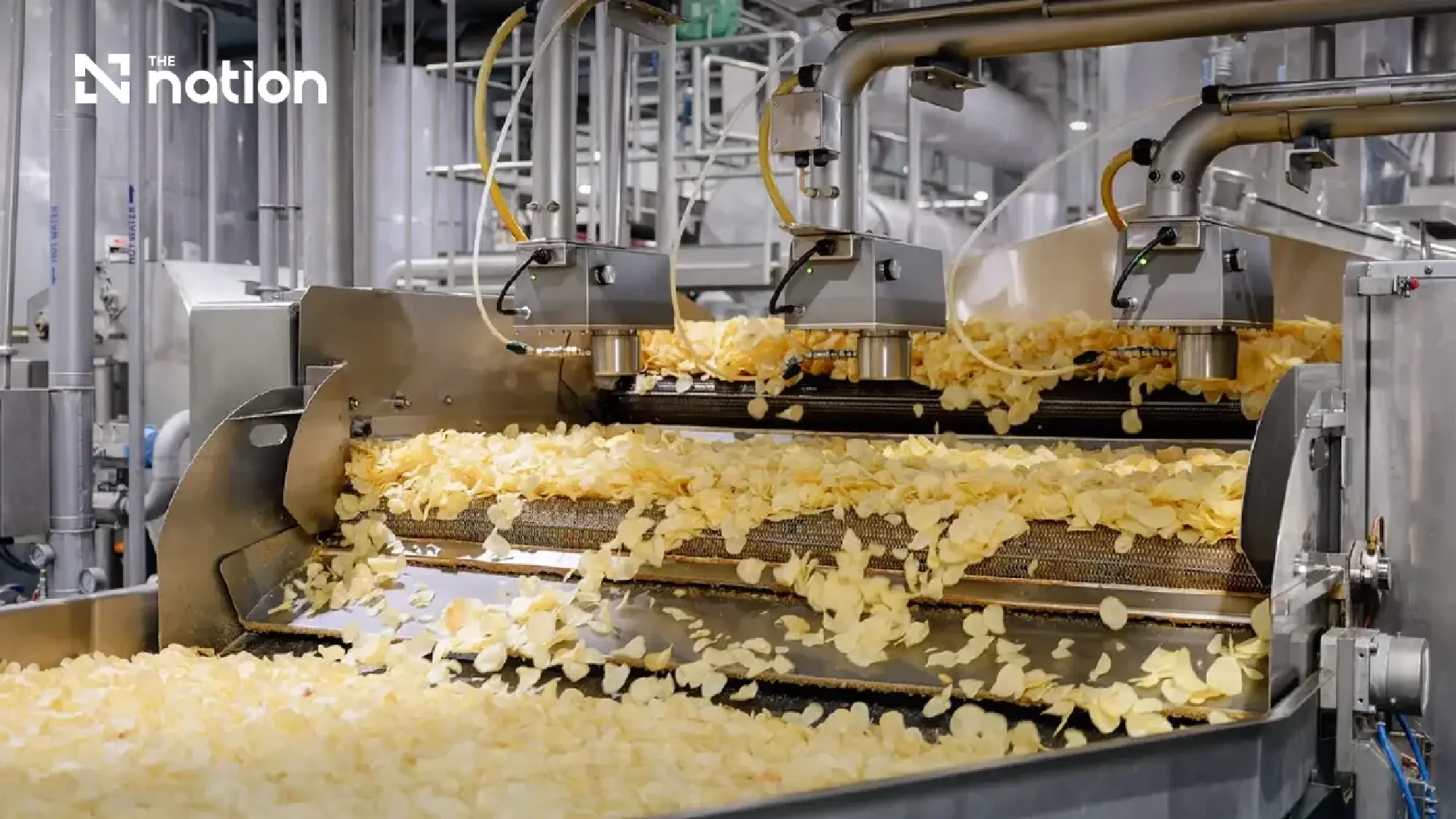

PepsiCo combines local flavours with farming and water reuse
PepsiCo’s Thai operations offer examples of three approaches to adding value in food and beverage production: adapting global innovation to local demand, strengthening agricultural supply chains and managing resources more efficiently.
Adapting products to Thai consumers. PepsiCo draws on global research and development capabilities to create products suited to local preferences. Examples include Lay’s miang kham-flavoured crisps and beverages aimed at younger, health-conscious consumers. The approach connects international expertise with demand in the Thai market.

Building links with farming families. PepsiCo works with more than 4,830 Thai farming families across nine provinces to strengthen its agricultural supply chain. More than 70% of the potatoes used in the company’s snack production in Thailand come from domestic sources, connecting local growers with manufacturing operations.
Reusing resources within factories. PepsiCo’s food factory in Lamphun captures steam from potatoes, treats the recovered water and recirculates it for use within the plant. The example illustrates an approach to resource management in which greater efficiency in water and energy use is viewed as a potential competitive advantage.
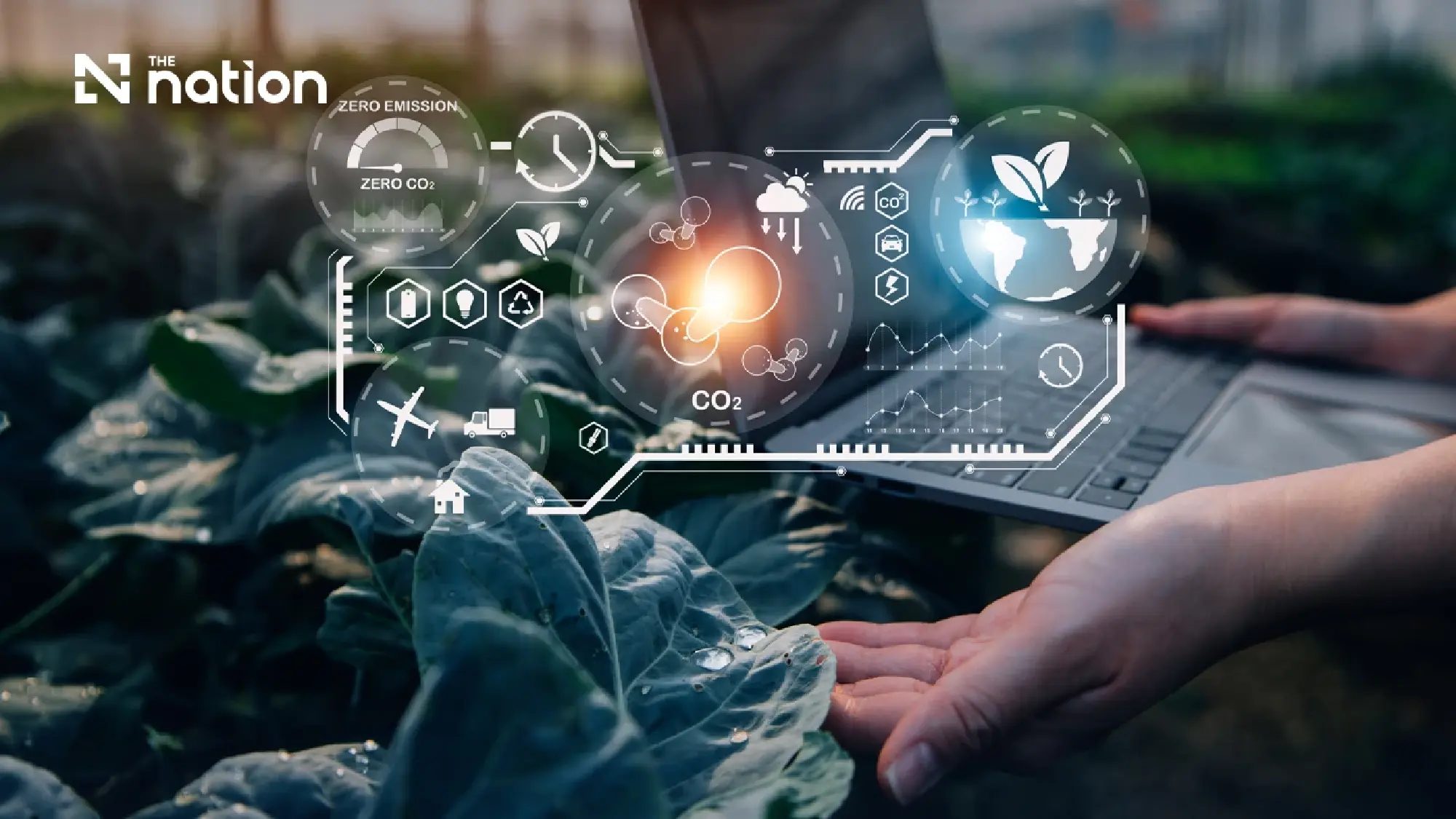

\Greenhouse Program brings start-ups into technology testing
PepsiCo’s Greenhouse Program in Asia-Pacific works with more than 30 start-ups to test technologies spanning agriculture, logistics and circular-economy systems. The programme connects innovation with commercial applications across the food and beverage supply chain.
Thailand also plays a role in PepsiCo’s regional manufacturing network. Bangkok Biznews identifies the country as one of two key snack-production bases connected to the company’s regional supply chain.
Thailand’s productivity challenge goes beyond manufacturing capacity
Southeast Asia’s traditional advantages in labour and purchasing power face challenges from geopolitical volatility, climate change and technological disruption. For Thailand, the economic argument is therefore shifting from expanding capacity alone towards generating more value through technology and innovation.
World Bank Group reporting cited by Bangkok Biznews identifies faster productivity growth and technology adoption as central to helping Thailand move beyond the middle-income trap towards a high-income, innovation-driven economy. PepsiCo’s operations provide a corporate case study within that wider discussion, rather than evidence that the national transition has already been achieved.
The IMF–World Bank meetings offer Thailand an opportunity to connect global knowledge, technology and investment with its established food and advanced-manufacturing capabilities. The emphasis is on using those connections to support long-term growth rather than measuring progress solely through additional production capacity.
Thailand’s transition towards more sustainable, higher-value production would require cooperation among government, businesses, farmers and research institutions. The objective is to develop solutions that serve domestic demand and can be expanded across Southeast Asia, linking global technology with local resources to strengthen resilience and competitiveness.
