
Bio-banking boom puts Thailand on advanced healthcare map
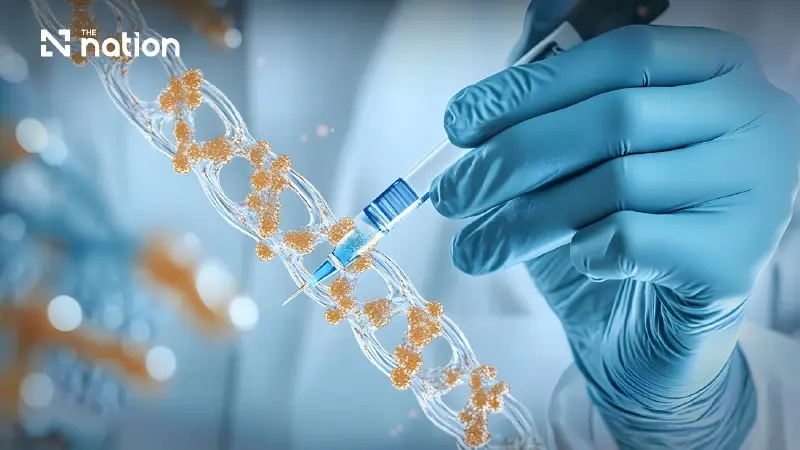


Medeze Group is helping to position Thailand as a rising wellness deep-tech hub, linking bio-banking, cell therapy and medical tourism.
- Bangkok is becoming a centre for bio-banking, where companies store personal biological materials like tissue and stem cells for future use in regenerative medicine and anti-aging treatments.
- Thailand's government is actively supporting this growth as a national strategy, aiming to develop and market its own Advanced Therapy Medicinal Products (ATMPs) and open dedicated research centers.
- A key part of the strategy involves localizing the production of medical materials to significantly cut costs, making advanced therapies more accessible to its citizens.
- By creating a regulated and cost-competitive environment for advanced cell therapies, Thailand aims to enhance its medical tourism industry and become a longevity hub for Asia.
Thailand’s wellness economy is no longer built only on spas, hospitals and hospitality. Increasingly, it is being shaped in cleanrooms, laboratories and liquid nitrogen tanks.
At the centre of this shift is Medeze Group, a home-grown biotech company that has grown from a premium biobank into a broader biopharmaceutical player. In its pristine Class 100 cleanrooms, the company stores adipose tissue, umbilical cord blood and hair follicles, turning personal biology into a future-facing health asset.
The idea is simple but powerful. Instead of treating ageing and disease only after they appear, bio-banking allows people to preserve biological materials that may later support regenerative medicine. For Thailand, it also signals something larger: a move from strength in medical services towards wellness deep tech.
Thailand’s bold ambition
Medeze’s work is closely linked to Advanced Therapy Medicinal Products, or ATMPs, a fast-growing field that uses cells, tissues and genes to develop personalised medical treatments.
The global ATMPs market was valued at US$22.8 billion, or about 830 billion baht, in 2024, while individual treatment costs can range from 3 million to 30 million baht per session. Thailand wants to secure a meaningful place in this market by making standardised ATMPs accessible to its citizens and bringing at least two domestically developed products to market in 2026.
The government also plans to open five dedicated research and service centres, an initiative projected to generate 1.5 billion baht in economic value each year.
Momentum has been strengthened by an ATMPs Sandbox, developed with the Ministry of Public Health and Vachira Phuket Hospital. The initiative focuses on three major health challenges: degenerative disc disease, dermatological and anti-ageing conditions, and colorectal cancer.
For Medeze, participation in this regulatory environment gives its research a clearer path from laboratory promise to licensed clinical practice.
Building biotech sovereignty
A key part of Thailand’s advantage lies in reducing dependence on costly imports. Medeze is partnering with the Government Pharmaceutical Organization to manufacture cell culture media locally, while working with Chulalongkorn University on medical-grade proteins.
These collaborations could cut the cost of imported Western materials by up to 80%, helping make regenerative medicine more practical and more accessible in Thailand.
A gateway to medical tourism
The wider opportunity extends beyond domestic healthcare. If Thailand can develop, license and deliver advanced cell therapies under a credible regulatory framework, it could attract patients from across Asia seeking treatments that combine clinical standards with competitive cost.
The Ministry of Public Health has reinforced this vision through the “Thailand ATMP Roadmap 2025” conference under the theme “Fast Track to Access and Innovation: Fastest in ASEAN”.
Thailand has long been admired for healthcare, hospitality and wellness. Now, with bio-banking and advanced therapies gaining ground, it is beginning to offer something more ambitious: a future in which ageing better is not just a personal hope, but a national biotech strategy.
