
Thailand moves to extend medical visas for premium health hub



Health officials outline visa, legal, research and digital reforms to move Thailand beyond medical tourism towards a premium destination.
- Thailand's Department of Health Service Support (DHSS) is advancing a plan to amend and extend the duration of its health visa (Medical Visa).
- The extended visa aims to accommodate patients and high-spending wellness groups who require continuous care, rehabilitation, or anti-ageing programs for several months up to a year.
- This initiative is a core component of Thailand's strategy to evolve from a medical tourism spot into a "Premium Medical Destination" focused on advanced research, innovation, and long-term health stays.
- The visa extension is supported by other proposed changes, such as allowing private hospitals to become research hubs, to attract patients with complex diseases who need longer stays.
Thailand has discussed the idea of becoming a Medical Hub for more than 20 years.
The country previously relied on medical tourism, in which visitors travelled for treatment on a case-by-case basis, a model that generated huge revenue over the past decade.
But amid intense competition from neighbouring countries and structural demographic change, Thailand’s current Medical Hub policy direction appears to be seeking an upgrade towards becoming a “Premium Medical Destination”.
This new target does not stop at being a hub for medical treatment “services” alone, but aims to upgrade the entire chain. This means becoming a “centre for advanced research, digital innovation and long-term health stays, or Longevity”, while also laying the foundations for safety controls in advanced therapy medicinal products (ATMPs) to build international confidence.
The United Nations estimates that the global population aged 65 and over will more than double from about 857 million in 2021 to around 1.9 billion by 2050.
This has prompted many countries to compete to attract older people and high-spending groups through health services, long-term care and anti-ageing programmes, making the Longevity and Wellness market one of the fastest-growing industries in the world.
Most recently, the Department of Health Service Support (DHSS), under the Ministry of Public Health, as a leading agency involved in several areas, both in regulation and in supporting this chain, has discussed the issue in a number of interesting dimensions.

Extending the “medical visa”
The first point of interest raised was the “medical visa”.
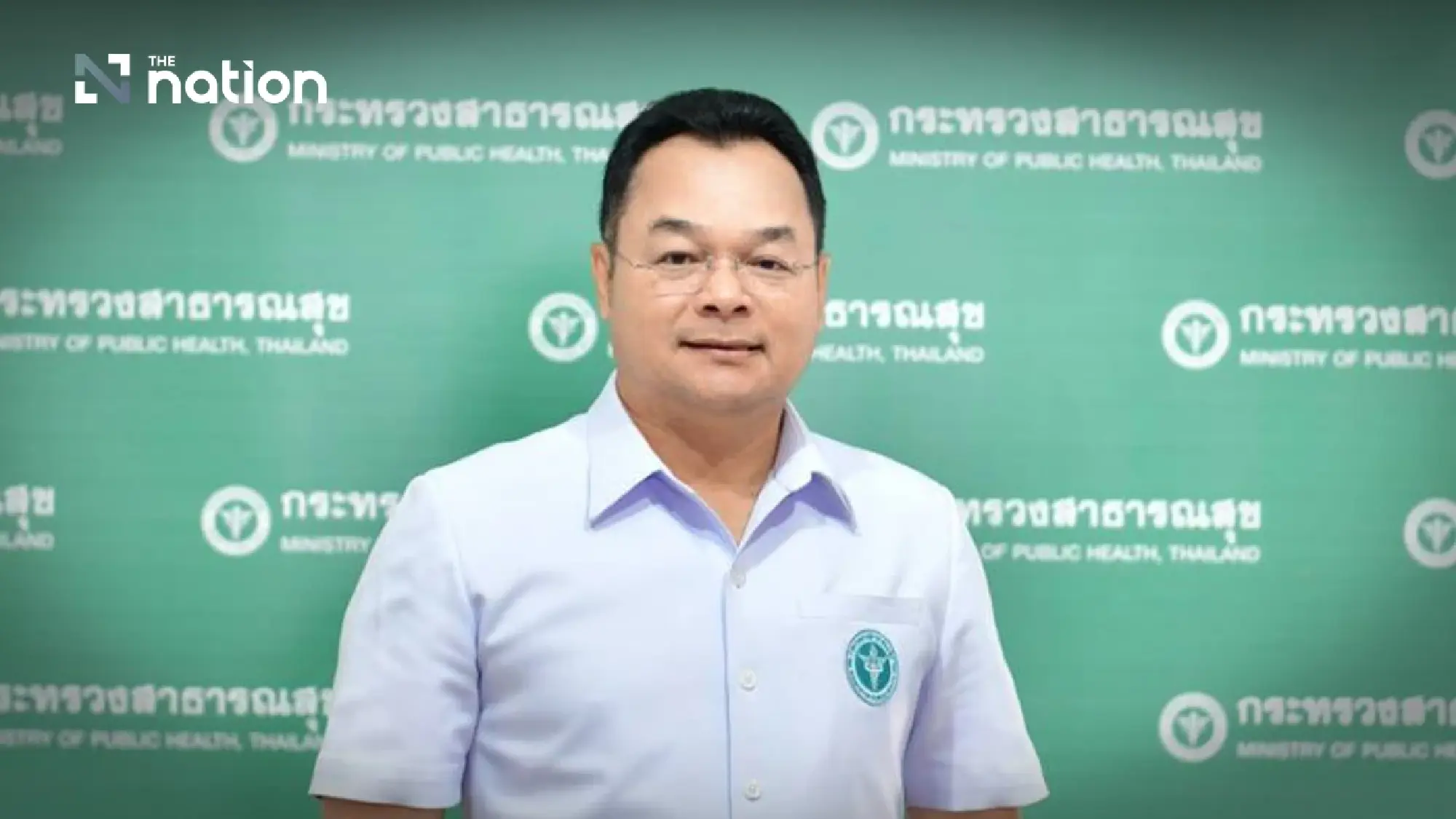
On facilitating stays, Dr Phuwadech Surakhot, Director-General of the DHSS, said after opening the press conference “International Healthcare Week 2026: a key cog in driving Thailand towards becoming the world’s health hub (Medical Hub)” on Thursday (June 11, 2026), that:
Demand for Longevity and Wellness, as well as long-term stays for health recovery, is growing rapidly worldwide, with the global Longevity Economy market likely to rise above US$27 trillion.
For this reason, the DHSS has a clear plan and direction to “amend and extend the duration of the health visa (Medical Visa) so it will definitely be longer than before”, to meet the needs of patients and high-spending health-conscious groups who require continuous care for several months to a year.
“At present, the proposal is under close consideration together with the committee for developing and driving the economy, chaired by a deputy prime minister,” the director-general said.
He stressed that extending the visa period would be a benefit aligned with the government’s soft power policy on food and health services.
It would offer greater convenience than a general tourist visa, allowing service users to stay for treatment, physical rehabilitation or anti-ageing programmes at Thai hospitals and wellness centres continuously, seamlessly and legally.
Several countries have begun using visa measures to attract long-term residents, including Portugal, Spain and the United Arab Emirates, each seeking to build an ecosystem linking medical services, wellness and retirement living.
Unlocking the law: turning private hospitals into “research and innovation hubs”

Dr Arkom Praditsuwan, Deputy Director-General of the DHSS, outlined the structural strategy that would help drive the Premium Medical Destination policy on the same day, at a major press conference marking the 55th anniversary of Roche Thailand’s business operations in Thailand.
He said Thailand currently has a very strong base, with more than 500 private hospitals and more than 45,000 specialist clinics nationwide, as well as many medical facilities accredited to the international JCI (Joint Commission International) standard, among the highest numbers in Asia.
However, moving towards the “Thailand Premium Medical Destination” brand cannot rely on good service alone.
Dr Arkom set out the key idea of “unlocking legal restrictions” to upgrade Thai medical facilities into innovation centres, saying:
“We are moving ahead with reviewing and amending the Medical Facilities Act, 1998, especially the sections related to approval, to allow private hospitals to directly establish research centres, training centres and medical education centres within their own premises,” Dr Arkom said.
The move has three strategic objectives:
To enable seamless joint investment and advanced technology transfer through public-private partnerships (PPP) among the public sector, educational institutions and leading private hospitals.
To build credibility through empirical evidence.
If private hospitals can conduct research and clinical trials with international partners, they will be able to create treatment outcomes with clear references to international standards, such as research supporting success in knee replacement surgery, heart disease treatment or organ transplantation, giving foreign patients greater confidence.
To support links with long-term visas.
Having specialised research and innovation centres in hospitals would attract patients with complex diseases and groups seeking precision medicine programmes, who need long stays in the country, in line with the health visa extension the government is pushing.
Blueprint for “service innovation”: global insurance claims and systems to break the language barrier
To make it easier for foreign spending to flow into Thailand’s health ecosystem, Dr Arkom also proposed the creation of three service innovation units that would form important additional infrastructure.
Global insurance claims platform: Dr Arkom said Thailand’s advantage lies in “cost-effectiveness” compared with developed countries.
For example, dental scaling in Australia costs about THB8,000, while in Thailand it costs around THB900-1,200.
Major surgery in Thailand is also 50-70% cheaper than in the United States.
If the DHSS can create a central platform directly linked with foreign health insurers worldwide, reimbursement and treatment approval processes could take place immediately.
This would encourage insurers around the world to recommend and send patients in their networks for treatment in Thailand.
Real-time language interpretation centre: to break the language barrier, the DHSS is preparing to work with the Ministry of Foreign Affairs to establish a specialist interpretation centre through tablets and video calls, supporting clinics and hospitals in communicating with new target patient groups, such as those from Russia, China and the Middle East, 24 hours a day.
Medical mediation centre: Dr Arkom proposed cooperation with the Ministry of Justice to bring in legal officers and international law experts to help oversee and mediate medical disputes, in order to build confidence and provide the highest level of legal protection for foreign patients entering Thailand for long-term stays.
Reforming the “bureaucracy” for digital oversight of advertising in step with social media
Another important cog that Dr Phuwadech Surakhot, Director-General of the DHSS, particularly emphasised is improving the efficiency of government work so that regulations or bureaucratic delays do not become obstacles to the country’s competitiveness on the global stage.
The DHSS has undertaken a major transformation of its working processes by shifting registration and approval procedures for health-service operators to a system that is “almost entirely, nearly 100%, online”, moving towards a genuine one-stop service.
This working innovation will help cut redundant procedures, shorten approval and licensing times, and significantly help the private sector move and conduct business.
In addition, the DHSS director-general revealed a major overhaul of the system for regulating and inspecting advertising so that it keeps pace with the social media era.
Previously, officials had to consider permits “piece by piece”, a slow process that could not keep up with modern commerce.
The DHSS has now brought in intelligent AI systems to help screen the licensing process, as well as to monitor and detect exaggerated advertising online in real time.
This AI-driven approach will not only help operators in the Medical Hub ecosystem carry out digital marketing quickly and promptly, but will also maintain the highest standards of consumer protection, ensuring that both Thai and foreign patients receive service information that is safe, high-quality and offers the best value.
Regulatory standards for ATMPs, or advanced therapies
While the government is accelerating economic revenue generation and facilitating digital systems, the DHSS director-general stressed the need to ensure that the government is not neglecting safety, so as to prevent risks to the country’s reputation.
In an era when science is shifting towards ATMPs (Advanced Therapy Medicinal Products), or advanced therapies, the DHSS and the Ministry of Public Health are laying down strict regulatory and inspection criteria covering both “licensing of medical facilities” and “standards for specialists and doctors providing services”.
This is intended to prevent investors or substandard clinics from using the terms innovation or stem cells misleadingly and causing further damage.
Although Thailand is recognised as one of the world’s key medical tourism destinations, competition in Asia is becoming increasingly intense, with each country trying to build its own specific selling points.
For example, Singapore focuses on advanced treatment for complex diseases and international medical research, while South Korea stands out in cosmetic surgery, digital health technology and the biopharmaceutical industry.
Malaysia uses its strengths in competitive costs and policies supporting long-term residents.
Another issue to watch is that, although the Medical Hub strategy is expected to help raise revenue and improve the country’s competitiveness, there remains an important question that the state and related sectors must work together to answer.
That is how to balance attracting foreign service users with maintaining access to services for Thai people, including the management of public health personnel and equal access to advanced treatment.
