
PTTGC Unveils Five-Year Plan to Shift From Commodities to Specialty
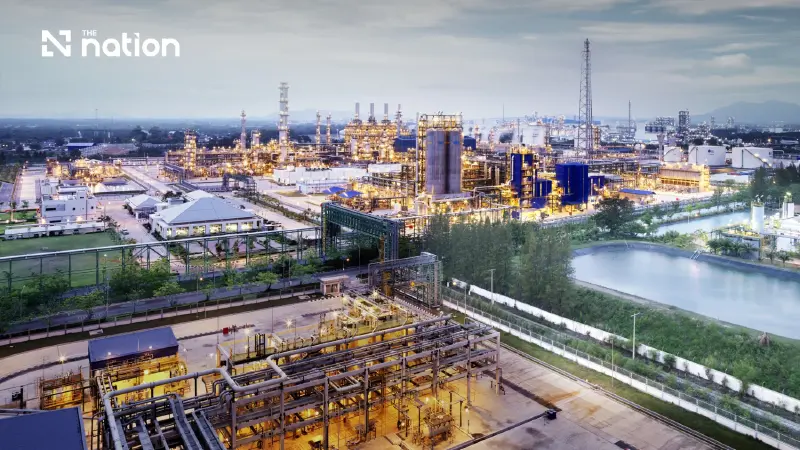


Thai petrochemical major targets 30% specialty mix by 2030, cuts debt by THB116bn and studies an olefins tie-up with SCGC
- PTT Global Chemical (GC) has launched a five-year plan to shift its business focus from volatile commodity products towards higher-margin specialty and bio-based chemicals.
- The company aims to change its portfolio mix from an 80:20 commodity-to-specialty ratio to a 70:30 split by the year 2030.
- This strategic shift is intended to increase profit margins and reduce the company's exposure to the cyclical swings of the global petrochemical industry.
- Key to the plan are the expansion of its specialty coatings arm, allnex, and investments in green ventures such as bioplastics, recycling, and sustainable aviation fuel.
Thai petrochemical major targets 30% specialty mix by 2030, cuts debt by 116 billion baht and studies an olefins tie-up with SCGC.
PTT Global Chemical (GC), Thailand's largest petrochemical producer, has set out a five-year plan to rebalance its business away from volatile commodity products and towards higher-margin speciality and bio-based chemicals, as it reported a sharp quarterly profit recovery and continued to pare back debt.
Speaking at a press conference on Monday, chief executive Narongsak Jivakanun said the company would aim to shift its portfolio mix from roughly 80:20 in favour of commodities today to a 70:30 split with speciality and green/bio businesses by 2030.
The plan, covering 2026 to 2030, is intended to lift margins and reduce the group's exposure to the cyclical swings that have battered the global petrochemical industry in recent years.

"Volatility will remain part of the business environment ahead," Narongsak said, adding that the priority was to build organisational resilience rather than simply react to short-term conditions.
The strategic reset accompanied second-quarter results showing marked improvement: adjusted EBITDA rose 81% quarter-on-quarter to 26.9 billion baht, and net profit reached 12.2 billion baht, up from 3.2 billion baht in Q1.
First-half adjusted EBITDA stood at 41.8 billion baht and net profit at 15.4 billion baht — a reversal from a loss a year earlier, helped partly by inventory gains from higher oil prices and partly by sustained cost-cutting.

CFO Thitipong Jurapornsiridee said GC had cut total debt by THB116 billion, leaving borrowings at around THB150 billion as of Q2. Future bonds would mainly refinance existing debt, he said, with the company holding over THB100 billion in undrawn trade credit lines.

Central to the plan is allnex, GC's speciality coatings arm, which outperformed targets in H1 and is expanding in Rayong, China and India.

In green and biochemicals, GC cited a new NatureWorks bioplastic plant, its ENVICCO recycling venture running at full capacity, plans to expand sustainable aviation fuel capacity fourfold, and a bio-fibre joint venture with Toray.

A potential olefins tie-up with rival SCGC remains under study, with a conclusion expected by late September — GC says a combined entity could rank among the world's top ten olefins producers by capacity, though this is the company's own comparison rather than an independent ranking.

Longer term, GC is positioning its Map Ta Phut complex as a future hub for EV, healthcare and electronics supply chains over a 10–15 year horizon, though it says it won't make batteries itself.
On government profit-sharing measures on refiners, GC confirmed it is contributing at the standard rate (~THB2.40/litre) and says this is already factored into its planning.

Management was notably cautious on timing, estimating global oversupply will take two to three years to rebalance, with near-term results still exposed to oil-price swings and Middle East disruption — a reminder that the five-year growth story rests on market conditions largely outside the company's control.
