
Thai Scientists Turn Dog Fat into Potential Diabetes Cure for Pets
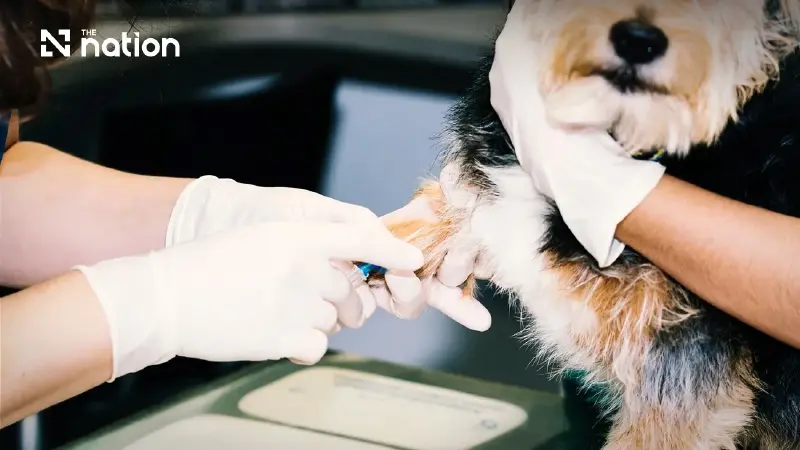


Researchers at Chulalongkorn University transform canine fat tissue into functional insulin-producing cells, paving the way for a lasting cure for pet diabetes
- Scientists at Thailand's Chulalongkorn University have successfully converted stem cells from canine fat tissue into functional, insulin-producing pancreatic cells.
- Fat tissue was chosen as the ideal source because it yields significantly more stem cells than bone marrow and can be safely collected during routine procedures like spaying or neutering.
- In preclinical trials, the lab-grown cells successfully and consistently lowered blood sugar levels, demonstrating their potential as a lasting cure for pet diabetes.
- The research team expects to begin clinical trials in diabetic dogs within the next two to three years, with the goal of developing a commercial treatment to replace lifelong insulin injections.
Researchers at Chulalongkorn University transform canine fat tissue into functional insulin-producing cells, paving the way for a lasting cure for pet diabetes.
A decade-long scientific effort in Thailand could soon free thousands of diabetic pets from a lifetime of daily insulin injections, after researchers successfully transformed ordinary canine fat tissue into functioning, insulin-producing pancreatic cells.
The breakthrough, spearheaded by the Veterinary Stem Cell and Bioengineering Innovation Center (VSCBIC) at Chulalongkorn University, offers a potential cure for a condition that affects roughly one in every 300 dogs and cats.

While diabetes in humans is widely understood, the disease is equally devastating for domestic animals. In dogs, the condition mirrors human Type 1 diabetes: the immune system destroys the pancreatic "beta cells" responsible for creating insulin, leaving the body unable to regulate blood sugar levels naturally.
Until now, the only treatment has been lifelong, twice-daily insulin injections—a routine that places a heavy emotional and financial burden on pet owners.

Why Fat Tissue Holds the Key
To solve the problem, the research team focused on stem cell technology to manufacture brand-new, healthy beta cells from scratch.
After years of testing various biological sources—including bone marrow and oral tissue—the scientists discovered that adipose (fat) tissue was the ideal candidate.

Fat tissue yields up to 500 times more stem cells than bone marrow, carries minimal medical risk, and is routinely removed during standard pet spaying or neutering procedures.
"Stem cell therapy is no longer out of reach," said Dr Saranyou Oontawee, a core member of the research team. "A small amount of fat tissue collected during a routine surgical procedure could become the starting point for a treatment that transforms a dog's life."

Teaching Fat Cells to Make Insulin
Turning a fat cell into an insulin factory is a complex genetic feat. The Chulalongkorn team used a "nature-inspired" approach, mimicking how organs naturally develop in an embryo.
By combining genetic reprogramming—introducing specific genes directly into mesenchymal stem cells—with a precisely timed sequence of chemical growth factors, the researchers essentially re-educated the cells to take on a completely new role.
The resulting lab-grown cells did not merely produce insulin at levels comparable to a healthy pancreas; they also secreted glucagon, demonstrating the complete biological functionality of natural pancreatic islets. In preclinical animal trials, the transplanted cells successfully lowered blood sugar levels safely and consistently.

"Why should we settle for managing the disease when advances in stem cell science and biomedical engineering may open the door to a genuine cure?" asked Associate Professor Chenphop Sawangmake, Head of VSCBIC.

Clinical Trials on the Horizon
Rather than relying on vague or untested stem cell treatments currently marketed to consumers, the Chulalongkorn team is adhering to rigorous clinical standards.
The researchers are currently using advanced microfluidics technology to scale up production, generating millions of robust cell clusters needed for full-scale transplantation.

In tandem, the team is developing "exosome therapy"—using beneficial bio-signals secreted by stem cells to repair damaged pancreatic tissue naturally without direct cell transplantation. Early tests show damaged organs recovering faster than anticipated.
The team expects to begin clinical trials in diabetic dogs within the next two to three years, with a commercial treatment slated to follow shortly after.
Beyond pet diabetes, the underlying cellular framework could eventually be adapted to treat organ degeneration in feline and human patients alike, including kidney, liver, and eye disorders.
