
Chalerm calls on Abhisit to wait for CDA to be set up
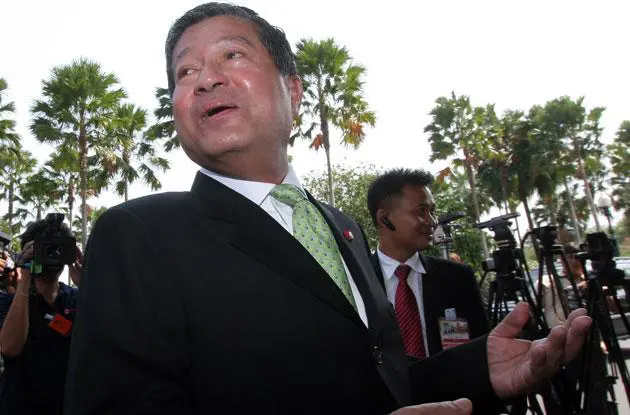


Democrat leader Abhisit Vejjajiva has been far too quick in proposing constraints for the yettobeestablished Constitution Drafting Assembly, Deputy Prime Minister Chalerm Yoobamrung said.
Reacting to Abhisit’s call on Thursday that the ruling Pheu Thai Party guarantee the independence of the judiciary and other autonomous organisations, Chalerm said the CDA had yet to be set up and it was still not known how it would draft the charter. Besides, he said, politicians have no power over the CDA.
“He should respect the CDA and realise that if its charter draft is not good, the public will not accept it when they vote in the referendum. The Democrats are far too worried about losing the election,” Chalerm said.
Meanwhile, Chart Thai Pattana Party’s de facto leader Banharn Silapaarcha said the government would not dare interfere with the CDA’s work. However, he said he would personally prefer it if the current charter’s Article 237 was modified. According to that clause, a political party must be dissolved and voting rights of party executives must be revoked for five years if a party member is found cheating in an election.
Banharn said it was not necessary for the change to have a retroactive effect on the 111 members of the nowdefunct Thai Rak Thai and 109 former MPs whose voting rights have been revoked. Banharn, one of the banned politicians, said he had waited more than three years already and could wait a little longer. The ban on the 111 Thai Rak Thai executives ends this May.
Meanwhile Kittipong Kittayarak, permanent secretary of the Justice Ministry, in his role as member of the Truth for Reconciliation Commission of Thailand, said the agency had discovered that most of the conflicts were caused by difference in opinions and general mistrust.
He said proposals on charter amendments and changes to the reconciliation law or changing Article 112 of the Penal Code – the lese majeste law – could worsen the situation, and therefore his commission was planning to set up a central platform for all sides to express their opinions peacefully.
