
Reconciliation push will wait for charter change
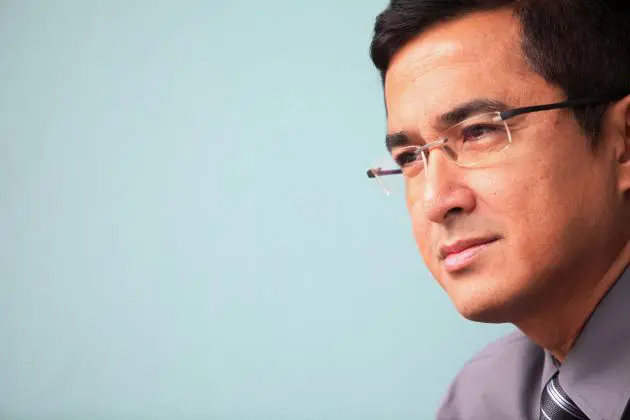


Pheu Thai MPs are still far from a consensus, Kokaew says; party has come up with a rough draft: Pracha
The ruling party yesterday gave a signal that it is switching its reconciliation move to a low gear, with a possible plan to sponsor a relevant bill next April.
The timing will coincide with the passage of a new charter. Whether or not the slowing down of reconciliation push would affect Thaksin Shinawatra’s intention to return home remain to be seen.
“The draft reconciliation law should be ready after the charter change,” Pheu Thai MP Kokaew Pikulthong affirmed yesterday.
Kokaew said Pheu Thai MPs still had to form a consensus on what “reconciliation” should entail, particularly in terms of the extent of amnesty being granted.
Certain MPs want the amnesty to be unconditional and applicable to all parties involved in political disturbances after the 2006 coup, including members of the yellow-shirt People’s Alliance for Democracy, he said. Some argue that amnesty should not cover rally organisers and government leaders involved in anti-riot operations, he added.
However, he said he was optimistic that the party could thrash out a solution.
Though the party’s draft on reconciliation will be aimed at dispensing justice for those affected by the disturbances, he said.
He could not speculate at this juncture whether it would end up helping fugitive former prime minister Thaksin Shinawatra circumvent his conviction and punishment.
As for Thaksin’s comments that he would be returning home in four months, he said he believed that the former PM had made this remark to rally together his red-shirt supporters, rather than fix a deadline for his return.
He also said that he was ready to lend his support if the Truth for Reconciliation Commission of Thailand chose to spearhead the passage of the reconciliation law.
“Both Pheu Thai and Democrat parties will find it difficult to reject a reconciliation draft sponsored by the TRCT,” he said.
Pheu Thai MP Pracha Prasobdee said his party had already come up with a rough draft on reconciliation, pointing out that amnesty should cover all disturbances that took place before and after the 2006 coup.
Pracha said the amnesty would not be about Thaksin, because he was not at the centre of the conflict.
He added that before the debate on reconciliation begins, his party would launch a dialogue with all sides in a move to mend fences. He said that though the reconciliation process might be painful, it would materialise and prevail by majority vote.
Abhisit: We’re against bid to whitewash offences
Meanwhile, Democrat Party leader Abhisit Vejjajiva said his party was not trying to block reconciliation but was taking a stance against attempts being made to whitewash offences committed under the anti-graft law.
Abhisit said he was against Thaksin’s call for reconciliation at the expense of uncovering the truth behind the political violence. He said coalition members had outlined several versions of the reconciliation law, keeping him in the dark as to what the actual draft would look like.
“As I see it, Thaksin is doing everything he can to elude his punishment and this is not reconciliation,” he said, adding that the former PM should reflect on his performance and let go of his personal issues in order to let the country move forward.
