
Book notes CIA-Thai link
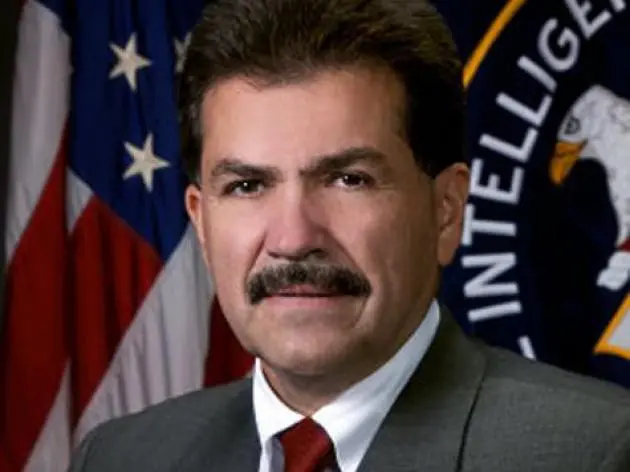


Book to reveal CIA's "Hard Measures", a book due to be released on April 30, will reveal more about the US authorities' "torture" of prisoners outside American soil and possibly rekindle the controversy about a "secret prison" in Thailand.
The book touches upon videos “filmed in Thailand” that were ordered destroyed by a now retired Central Investigation Agency (CIA) official. The videos show officers torturing terrorist suspects Abu Zubaydah and Abd alNashiri using the infamous “waterboarding” technique.
The author Jose Rodriguez, a retired CIA officer who ordered the destruction of the videos, says in the book that he was tired of waiting for Washington’s bureaucracy to make a decision on protecting Americans.
Rodriguez, who oversaw the CIA’s oncesecret interrogation and detention programmes, also lashes out at President Barack Obama’s administration for calling waterboarding a form of torture and criticising its use.
“I cannot tell you how disgusted my former colleagues and I felt to hear ourselves labelled as ‘torturers’ by the president of the United States,” Rodriguez writes.
Associated Press purchased a copy of the book on Tuesday and found that the chapter about the interrogation videos adds few new details to a narrative that has been explored for years by journalists, investigators and civilrights groups. However, the book does represent Rodriguez’s first public comment on the matter since the tapedestruction order was revealed in 2007.
That revelation touched off a political debate and ignited a Justice Department investigation that ultimately produced no charges. Critics accused Rodriguez of covering up torture and preventing the public from ever seeing the brutality of CIA’s interrogations. Supporters hailed him as a hero who acted in the best interest of the country in the face of years of bureaucratic indecision.
The tapes, filmed in a secret CIA prison in Thailand, showed the waterboarding of terrorists Abu Zubaydah and Abd alNashiri.
Especially after the Abu Ghraib prison abuse scandal, Rodriguez writes, if the CIA’s videos were to leak out, officers worldwide would be in danger.
“I wasn’t going to sit around another three years waiting for people to get up the courage,” to do what CIA lawyers said he had the authority to do himself, Rodriguez writes. He describes sending the order in November 2005 as “just getting rid of some ugly visuals”.
Rodriguez writes critically of Obama’s counterterrorism policies. With no way to capture and interrogate terrorists, Rodriguez says, the CIA relies far too much on drones. Unmanned aerial attacks alienate America’s foreign partners and make it impossible to question people in the know, he says.
